
Last updated November 15, 2026
 Architectural shingles
 Metal roofing
 Tile roofing
 GAF
 Owens Corning
 Flat & low-slope
Free roof inspection with deck photos before we talk money - GAF and Owens Corning certified installation
Roof Repair Maintenance Checklist for Paradise Homeowners
The most expensive repair calls we get in October come from damage that was visible, and fixable for a modest amount, back in June. The homeowner just didn’t know what to look for. A generic twelve-month checklist doesn’t help much in Paradise, because damage here arrives in phases: a brutal summer sun season that cooks granules off shingles, a monsoon stretch that drives rain sideways into every seam, and a winter where flat roofs sit under standing water for weeks. Each phase leaves its own fingerprints. This guide walks you through what to check after each one, what you can safely handle yourself, and what belongs in the hands of a licensed roofer.
Quick Answer
A roof maintenance checklist for Paradise should be organized around the local weather calendar, not the four seasons of a generic guide: a post-summer UV and granule audit in early fall, a pre-monsoon flashing and sealant check in late spring, and a winter drainage check for flat and low-slope roofs. Most of the work is visual inspection from the ground, with a few simple tasks you can do yourself. Anything involving the roof surface, flashing repair, or membrane work belongs with a licensed roofing professional.
Styles & brands we work with
- Architectural shingles
- Metal roofing
- Tile roofing
- GAF
- Owens Corning
- Flat & low-slope
Table of Contents
- Why a Paradise Roof Ages Differently
- Quick Answer
- The Post-Summer UV Audit: Reading Granule Loss
- The Pre-Monsoon Flashing and Sealant Check
- Winter on Flat Roofs: Standing Water and Membrane Wear
- How to Document Your Roof From the Ground With a Smartphone
- What You Can Maintain Yourself vs. What Requires a Licensed Roofer
- The Paradise Roof Maintenance Calendar at a Glance
- Common Mistakes to Avoid
- When to Call a Professional
- Frequently Asked Questions
- The Bottom Line
Why a Paradise Roof Ages Differently
Paradise sits in the Mojave Desert at the eastern edge of the Las Vegas Valley, and the climate here puts a roof through a very specific kind of stress. Summers bring weeks of extreme heat and relentless ultraviolet exposure that breaks down asphalt binders and drives off the oils that keep shingles flexible. Then the monsoon arrives, pushing wind-driven rain against slopes and into every penetration point. Winter rains add a third phase: on flat and low-slope roofs, water that can’t drain fast enough sits on the membrane for days at a time.
That three-phase cycle means a Paradise roof rarely fails all at once. It degrades in layers. The sun starts it. The rain finishes it. Between phases, there’s usually a window where a small repair, a resealed pipe boot, or a cleared drain would have stopped the whole chain. Most homeowners simply don’t know when to look.
There’s a second factor that matters just as much: the housing stock. Much of Paradise was built during the Valley’s fast-growth decades, which means a large share of homes are now at or past the age where original roofing materials start showing their limits. Many neighborhoods here mix pitched asphalt shingle roofs with flat or low-slope sections over additions, garages, and patios. A home with both roof types needs both a shingle checklist and a flat-roof checklist, and most generic maintenance guides only cover one.
In our experience, the homes that hold up best in Paradise aren’t the ones with the most expensive materials. They’re the ones where someone walked the property a few times a year and caught the small things early. That’s the entire premise of this guide: check for the right things at the right time, and you’ll spend far less over the life of the roof.
The Post-Summer UV Audit: Reading Granule Loss
Asphalt shingles protect your roof with a layer of mineral granules pressed into the surface. Those granules shield the asphalt underneath from ultraviolet light. When enough of them wear away, the sun starts breaking down the asphalt itself, and that’s when a cosmetic issue turns into a structural one. Late summer and early fall, right after the hottest stretch of the Paradise year, is the best time to read the signs.
Signs granule loss has crossed from cosmetic to structural
- Bare, shiny patches on south and west slopes. These faces take the most direct sun in Paradise. Shingles that look glossy or “shiny” rather than matte are showing exposed asphalt. That’s past cosmetic.
- Granule buildup at the base of downspouts. A little grit after a storm is normal. A steady accumulation of dark sand every time it rains suggests the shingles above are shedding their protective layer faster than they should.
- Visible fiberglass matting. If you can see a woven, fiberglass-like texture on the shingle surface, the granules and much of the asphalt are gone in that spot. That’s a structural sign, not a stain.
- Shingles that crack when you flex a corner. An asphalt shingle should still have some give. If an edge snaps or crumbles rather than bending, the asphalt has dried out and lost its binder.
- Widespread curling along the edges. Curled edges let wind get underneath, and in a monsoon gust, that’s how shingles tear loose.
The distinction matters because it changes the conversation. Cosmetic granule loss on an otherwise sound roof can often be monitored. Structural granule loss means the shingle can no longer do its job, and patching one area won’t stop the next slope from going. When you’re ready for a straight answer on which category your roof falls into, a roof repair assessment will tell you whether the roof is salvageable or whether you’re looking at a replacement timeline. We work with materials from GAF and CertainTeed among others, so the recommendation follows your roof and your budget, not a single product line.
The Pre-Monsoon Flashing and Sealant Check
Most roof leaks don’t start in the middle of a shingle field. They start at the edges, the seams, and the penetrations, where two materials meet and sealant is the only thing standing between your ceiling and the rain. Under wind-driven monsoon rain, water gets pushed sideways and upward, into places a straight-down shower would never reach. That’s why the late-spring flashing check matters more here than in a climate with gentler storms.
The penetration points that fail first
- Pipe boots. The rubber or neoprene collar around plumbing vent pipes is the single most common leak source on pitched roofs. The rubber dries out and cracks in the desert sun, and monsoon wind pushes rain right past it. Check that the collar is supple and sits flat against the pipe, with no visible splits.
- HVAC curbs. Rooftop and side-wall HVAC units sit on a raised curb, and the flashing around that curb is a prime leak point. Look for cracked sealant along the curb edges and any gap where the flashing meets the roof surface.
- Skylights. The seal around a skylight frame is exposed to full sun and full rain. Check for brittle or peeling sealant, and for any staining on the ceiling or frame inside the house below.
- Chimney and wall flashings. Where the roof plane meets a vertical wall or chimney, step flashing and counterflashing do the work. Look for lifted edges, rusted metal, or gaps that could let wind-driven rain in.
- Valleys. The V-shaped channels where two roof planes meet concentrate water flow. Check that the valley isn’t holding debris and that the flashing is intact and seated.
The good news about the pre-monsoon check is that it’s largely visual. You can inspect most of these points yourself with binoculars from the ground, and you can spot interior warning signs (stains, bubbling paint, damp drywall near a skylight) from inside. What you should not do is climb up and start re-sealing penetrations yourself. Flashing repair done wrong, or with the wrong sealant, can trap water and make the leak worse. That’s a job for a licensed professional. If you’re unsure whether a seam is sound, a standalone inspection from our team will pinpoint the problem before the first storm, without tying you to any repair commitment.
Winter on Flat Roofs: Standing Water and Membrane Wear
Paradise winters aren’t snowy, but the December through February rains are real, and they’re the hardest test a flat or low-slope roof faces all year. A flat roof is designed to shed water, not to hold it. When drainage is slow or blocked, water ponds on the surface, and ponding water does two damaging things: it works its way into seams and fastener points, and it accelerates the breakdown of the membrane itself.
What to check on a flat roof heading into winter
- Drains and scuppers. Clear leaves, grit, and debris so water can escape. A blocked drain during a winter rainstorm is how small ponding turns into a leak.
- Ponding after rain. A little water that drains within a day or two is tolerable. Water that sits for weeks is a red flag that the roof’s slope or drainage needs attention.
- Membrane seams and blisters. Look for bubbles, lifted seams, or wrinkles in the membrane. Blisters trap moisture and worsen with every freeze-thaw cycle, and desert nights do get cold enough for that.
- Ponding near penetrations. Water that pools around a vent pipe or HVAC curb puts constant pressure on the sealant. That’s where leaks start.
- Interior staining on the ceiling below. Brown rings or soft drywall on the top floor often trace back to ponding water above.
If your Paradise home has a flat or low-slope section, treat the winter drainage check as the most important item on this whole checklist. In our experience, flat-roof failures here almost always trace back to water management first and membrane material second. If you’re seeing persistent ponding or blistering, that’s the point to bring in a specialist before the next rain phase, not after. And if the membrane is simply at the end of its life, a professional can walk you through roof replacement options, including Boral and Owens Corning products, so you can weigh repair against replacement honestly.
How to Document Your Roof From the Ground With a Smartphone
You don’t need to climb a ladder to give a roofer useful information. A smartphone, a few minutes, and a little care from ground level will produce a record that helps any contractor understand your roof faster, and helps you track changes year over year. Here’s how to do it safely.
- Shoot from the ground, not the roof. Stand back on the lawn or driveway and photograph each roof plane from ground level. Use your phone’s zoom to get closer detail rather than climbing. This is the single most important safety rule in this guide.
- Capture each slope separately. Take one wide shot and one zoomed shot of every visible roof face, especially the south and west slopes that take the most Paradise sun.
- Photograph every penetration. Pipe boots, HVAC curbs, skylights, and chimney flashings each get their own close-up if you can zoom in on them.
- Record interior warning signs. Photograph any ceiling stains, bubbling paint, or damp spots on the top floor, and note the date and which direction the stain sits relative to the room.
- Note the date and conditions. Label each set of photos with the date and the weather in the days before (for example, “after first winter rain”). The pattern of when stains appear tells a roofer a lot.
- Keep a folder. Store the photos in one album on your phone so you can compare this year’s shots against last year’s. Changes over time are the best evidence of whether a problem is active.
This habit does two things. It keeps you off the roof, which matters because even a one-story fall is a serious injury risk, and it gives you a baseline. When you do call a professional, you’ll be able to say “here’s what it looked like in October and here’s what it looks like now” instead of “something seems off.” That’s a genuinely useful head start, and it’s free. A note for anyone tempted to fly a drone over the roof: it can be a handy way to get overhead views, but keep it well clear of power lines and only do it if you’re confident flying it. A ground-level zoom is usually enough.
What You Can Maintain Yourself vs. What Requires a Licensed Roofer
The most useful thing this checklist can give you is an honest line between the tasks a homeowner handles safely and the tasks that belong to a professional. Crossing that line is how minor roof issues become injuries and expensive repairs. Here’s our honest breakdown.
Safe to handle yourself
- Visual inspection from the ground with binoculars and a phone camera.
- Clearing debris from gutters and flat-roof drains you can safely reach from a stable ladder on level ground, ideally while someone else is home.
- Keeping gutters and downspouts clear so water drains away from the roof edge and foundation.
- Trimming tree branches that overhang the roof and drop debris onto it, within your comfort and reach.
- Documenting interior signs like ceiling stains and noting dates and locations.
- Scheduling a professional inspection before problems get worse.
Requires a licensed roofer
- Any work on the roof surface itself, including walking the roof, patching shingles, or replacing damaged sections.
- Flashing repair and resealing at pipe boots, curbs, skylights, and wall junctions. Done wrong, it traps water.
- Flat roof membrane repair, seam work, and any work around ponding or drainage corrections.
- Anything electrical, such as a solar array, attic fan, or roof-mounted electrical penetration.
- Structural repairs, including decking, rafters, and fascia that has rotted or pulled loose.
- Any job where a fall would be serious, which is every job on a roof, honestly.
Nevada licenses roofing contractors, and a homeowner should always confirm a contractor holds a valid state license before any roof work proceeds. Beyond the law, the practical reason is simple: roof work is the highest-risk trade in residential construction. It combines height, weather, and sharp or heavy materials. A licensed specialist carries the right experience and the right coverage for that risk, and a homeowner who climbs up to “just take a look” is accepting a risk that no maintenance task is worth.
That line is the whole reason a standalone inspection exists as a service. You get professional eyes on the roof, a clear read on what’s cosmetic and what’s structural, and an honest answer about whether you’re looking at a small repair or a bigger conversation. If you want a general practitioner’s view of where a trusting homeowner should look first, we’ve written more about how roofs behave in Paradise, and the same logic applies to the weather phases in this guide.
The Paradise Roof Maintenance Calendar at a Glance
Here’s the whole checklist boiled down to the rhythm of the Paradise year. You don’t need a different task for every month; you need the right focus for each weather phase. This is the calendar we walk homeowners through.
- Late spring (before monsoon): Visual check of flashing and sealant at every penetration point. Binoculars and phone photos from the ground. Clear drainage paths. Book an inspection if anything looks lifted, cracked, or missing.
- Mid-summer (the hottest stretch): Mostly a rest period for roof work. Watch for interior stains and note any that appear. Avoid walking the roof in peak heat, which is both uncomfortable and harder on shingles.
- Early fall (post-summer): The UV and granule audit. Read the shingles for bare patches, granule buildup at downspouts, visible matting, and curling. This is the single most valuable check of the year in Paradise.
- Winter (December through February): The flat-roof drainage check. Clear drains and scuppers, watch for ponding after rain, and document any interior stains with dates.
- Any time: Ground-level photos after any storm, impact, or wind event. Compare against your baseline.
A professional inspection each year, or after any significant storm, catches what your eye can’t from the ground. That’s the case for scheduling one even when nothing seems wrong. It’s the difference between finding a small issue on a checklist and finding it in a ceiling.
Common Mistakes to Avoid
- Climbing the roof to “just take a look.” This is the most dangerous mistake on the list. A fall from even a low roof is a serious injury, and roof surfaces in Paradise get slick and brittle. Use binoculars and a phone camera from the ground.
- Using a generic 12-month calendar. A checklist built for a temperate climate tells you nothing about monsoon flashing or post-summer granule loss. Build your checks around Paradise’s weather phases, not a calendar printed in a magazine.
- Treating granule loss as purely cosmetic forever. A little weathering is normal, but bare, shiny patches mean exposed asphalt. Waiting a season or two can turn a repairable roof into a replacement conversation.
- Ignoring flat-roof ponding. Water that sits for weeks after a winter rain is the fastest path to membrane failure. Clear drains and get ponding looked at before the next wet season.
- Letting a general handyman handle a roof. Roofing is its own trade, and Nevada licenses roofing contractors. A generalist working on a monsoon-damaged flashing point is how a small leak becomes a structural problem.
- Resealing penetrations yourself. Sealant applied over a wet or dirty surface traps moisture and makes the leak worse. Flashing and sealant repair belongs with someone who knows how water behaves under wind-driven rain.
- Not documenting storm damage. Without photos and dates, it’s much harder to know when a leak started and whether it’s active. A simple ground-level photo log from the day after a storm is the most useful thing you can hand a roofer.
When to Call a Professional
Some roof issues are clear enough to watch. Others are already costing you money the longer you wait. Call a professional when you see any of these: water stains, bubbling paint, or damp drywall on the ceiling below the roof; visible bare patches or woven matting on shingles; a pipe boot or flashing that’s cracked, lifted, or missing; flat-roof ponding that doesn’t drain within a day or two; roof sagging or a spongy feel underfoot; or damage after wind, impact, or a storm that left debris on the roof. The same advice applies if your roof is simply getting older and you don’t know what you have. A professional inspection gives you an honest read before you commit to anything, and it’s the one call that can save you from the expensive version of this list.
Wexford Roof Repair is a roofing-only specialist, so inspection, repair, and replacement all sit with the same team. We work with seven leading material brands, from entry-level to premium, so you choose the product rather than the other way around. If you’d like a free estimate, call (833) 936-2087. We answer 24/7. Fast dispatch from 7am to 7pm, Sunday through Friday.
Frequently Asked Questions
At least once a year, and ideally twice: once in late spring before monsoon and once in early fall after the summer UV season. In Paradise, the weather phases each do different damage, so two checkpoints a year catch more than a single annual look. Add a ground-level photo check after any significant storm or wind event.
Costs vary by the size of the repair, the roof material, and how accessible the area is, so there’s no single number that applies to every home. The written estimate sets the final price, and it’s worth asking for a line-item quote that spells out the scope. For an exact figure on your roof, call (833) 936-2087 for a free estimate.
Small, ground-level tasks like clearing gutters and drains are reasonable for a homeowner. Work on the roof surface, flashing, and membrane should be done by a licensed roofing contractor, and Nevada licenses roofers for good reason: the work combines height, weather, and serious injury risk. Staying off the roof is the safest maintenance decision you can make.
Look for bare, shiny patches where granules have worn away, visible fiberglass matting, shingles that crack instead of flexing, and widespread edge curling. Those are signs the shingle can no longer protect the roof. When a roof shows structural shingle damage, a professional inspection will tell you whether a targeted repair still makes sense or whether replacement is the better move.
Clear every drain and scupper, watch for ponding after rain, inspect membrane seams for blisters or lifting, and check around penetrations for sealant wear. Standing water through the December-to-February rains speeds up membrane breakdown, so drainage is the priority. If water sits for weeks, get it looked at before the next rain phase.
Yes. The desert sun breaks down asphalt binders and drives off the oils that keep shingles flexible, and that damage compounds with each monsoon and winter season. The good news is that most of it’s preventable with the checks in this guide. A seasonal inspection catches small problems before they become structural ones.
The Bottom Line
Your roof in Paradise does not fail on a tidy annual schedule. It degrades in phases: the summer sun attacks it, the monsoon tests its seams, and the winter rains stress its drainage. The most effective maintenance routine is the one that matches those phases. Do a post-summer granule audit, a pre-monsoon flashing and sealant check, and a winter drainage check on any flat sections. Document everything from the ground with your phone. Do the simple, safe tasks yourself, and hand the roof surface and flashing to a licensed roofer. Do that, and the expensive October phone call becomes the affordable spring repair.
Wexford Roof Repair is here when you want a professional read on your roof. We do one thing: roofs. Repair, replacement, and inspection, start to finish, backed by seven leading material brands including GAF and CertainTeed. Our technicians have up to 12 years of experience, and an inspection tells you what’s actually wrong, not just what costs the most to fix.
Contact
If you’d rather have a specialist’s eyes on your roof than guess from the ground, we’d be glad to help. Call (833) 936-2087 to schedule your free estimate. We answer 24/7. Fast dispatch from 7am to 7pm, Sunday through Friday. You can learn more about the team at Wexford Roof Repair and get started on the inspection that turns guesswork into a straightforward answer.
Written by the team at Wexford Roof Repair.
See the difference
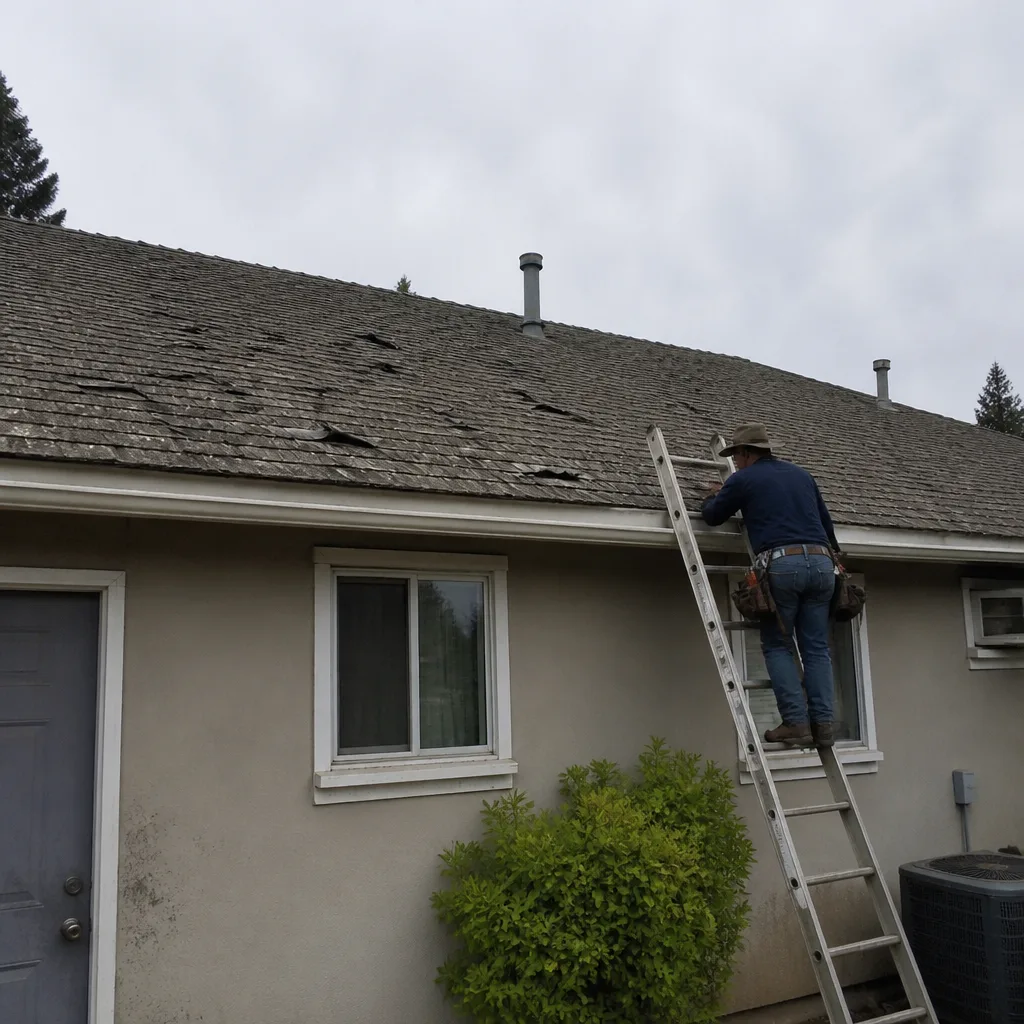 Before
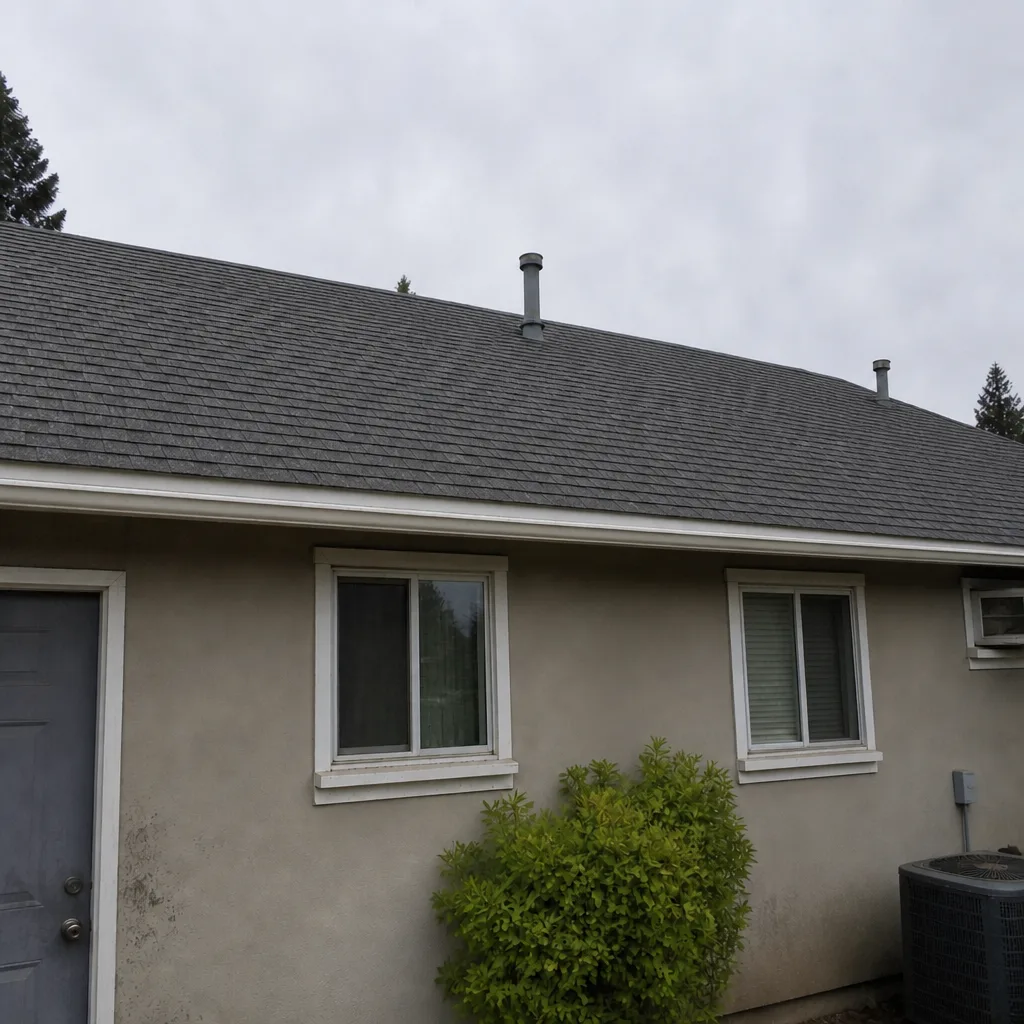 After
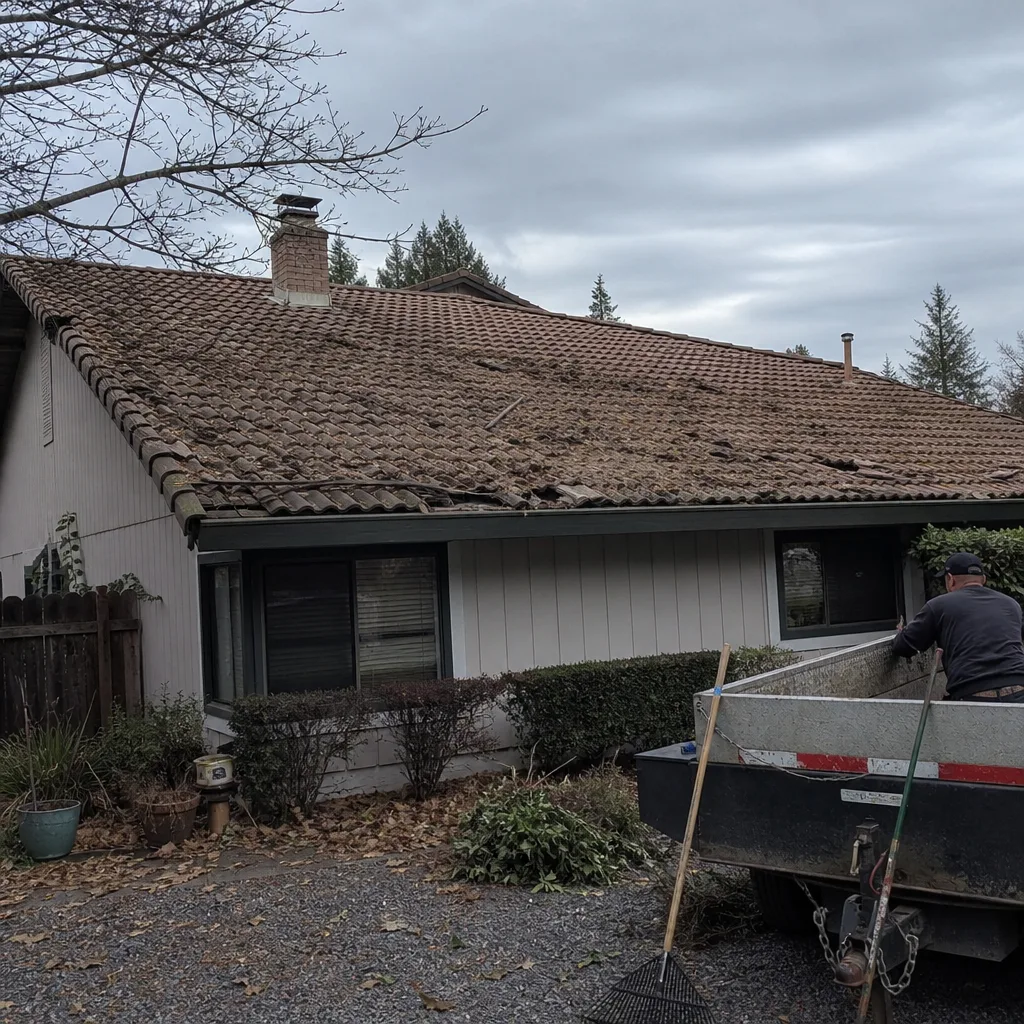 Before
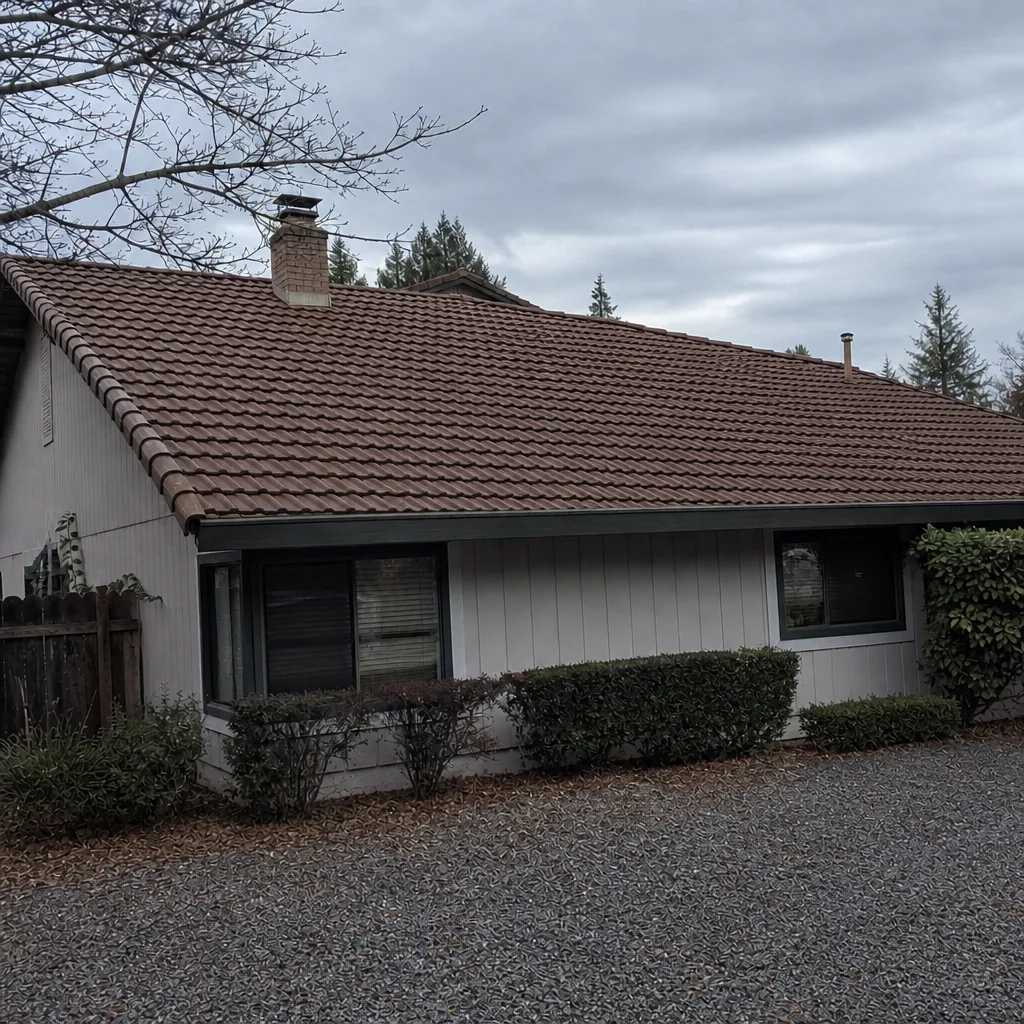 After
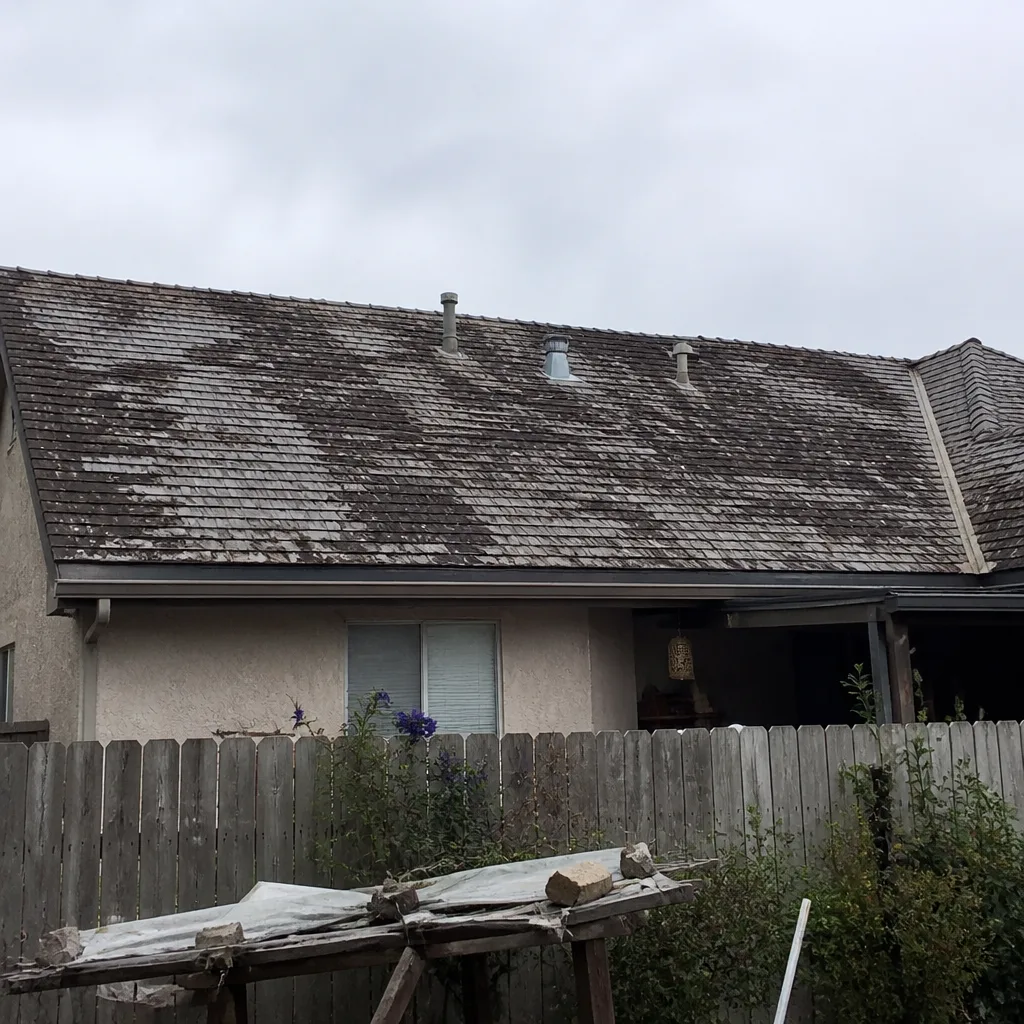 Before
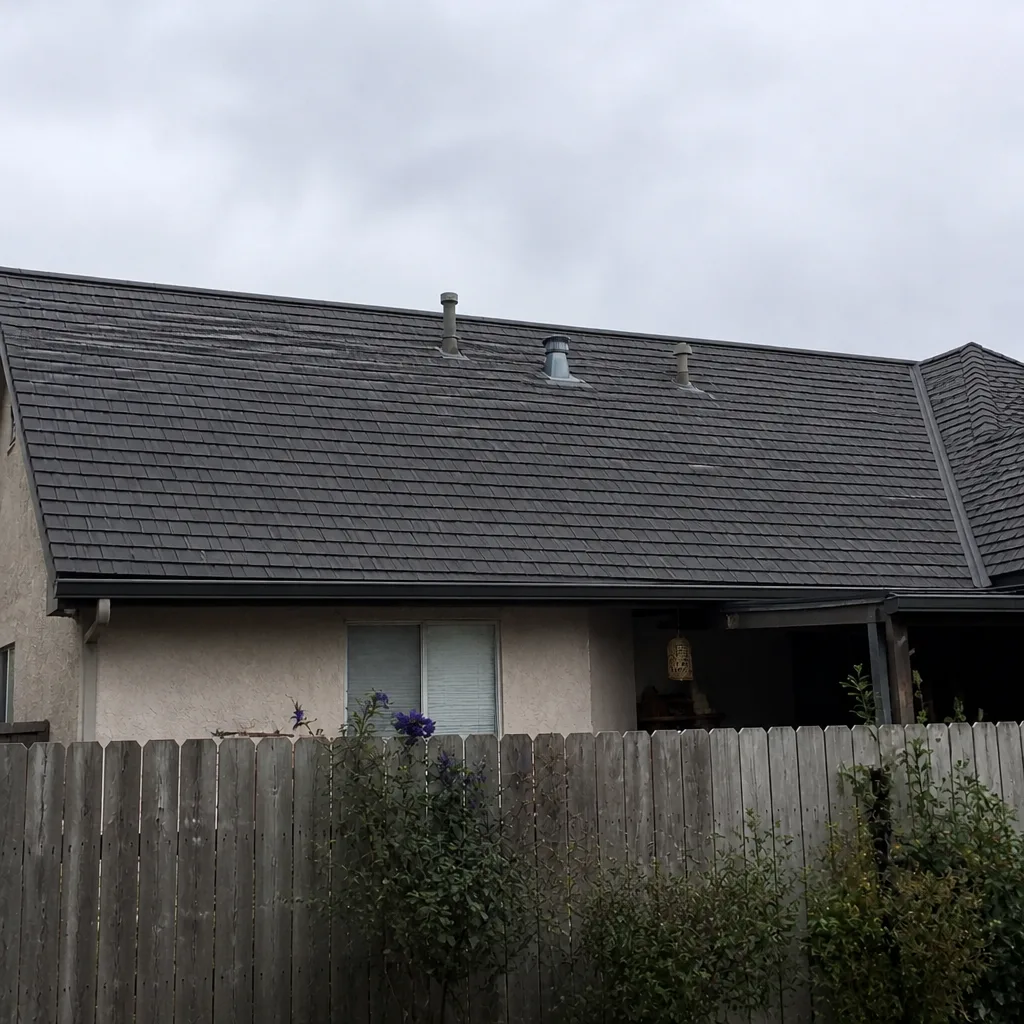 After