
Last updated November 15, 2026
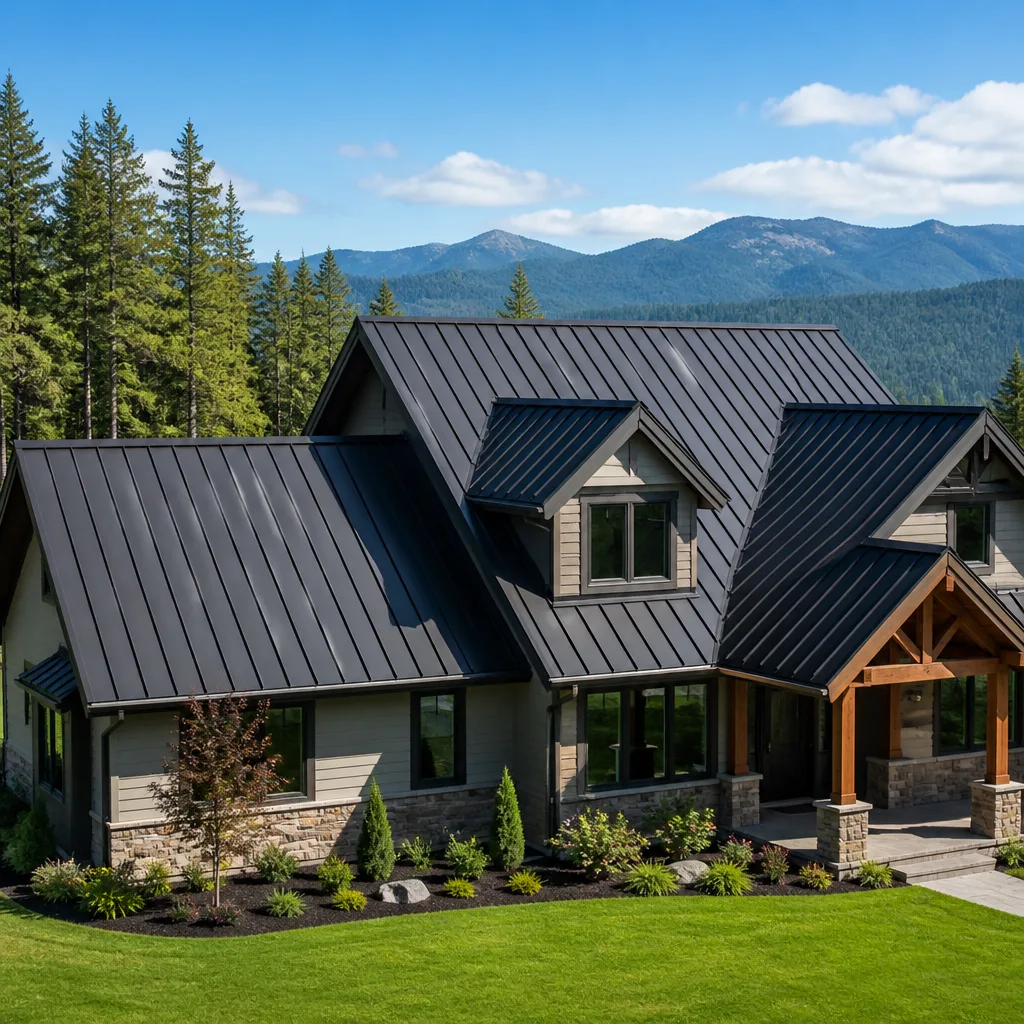 Metal roofing
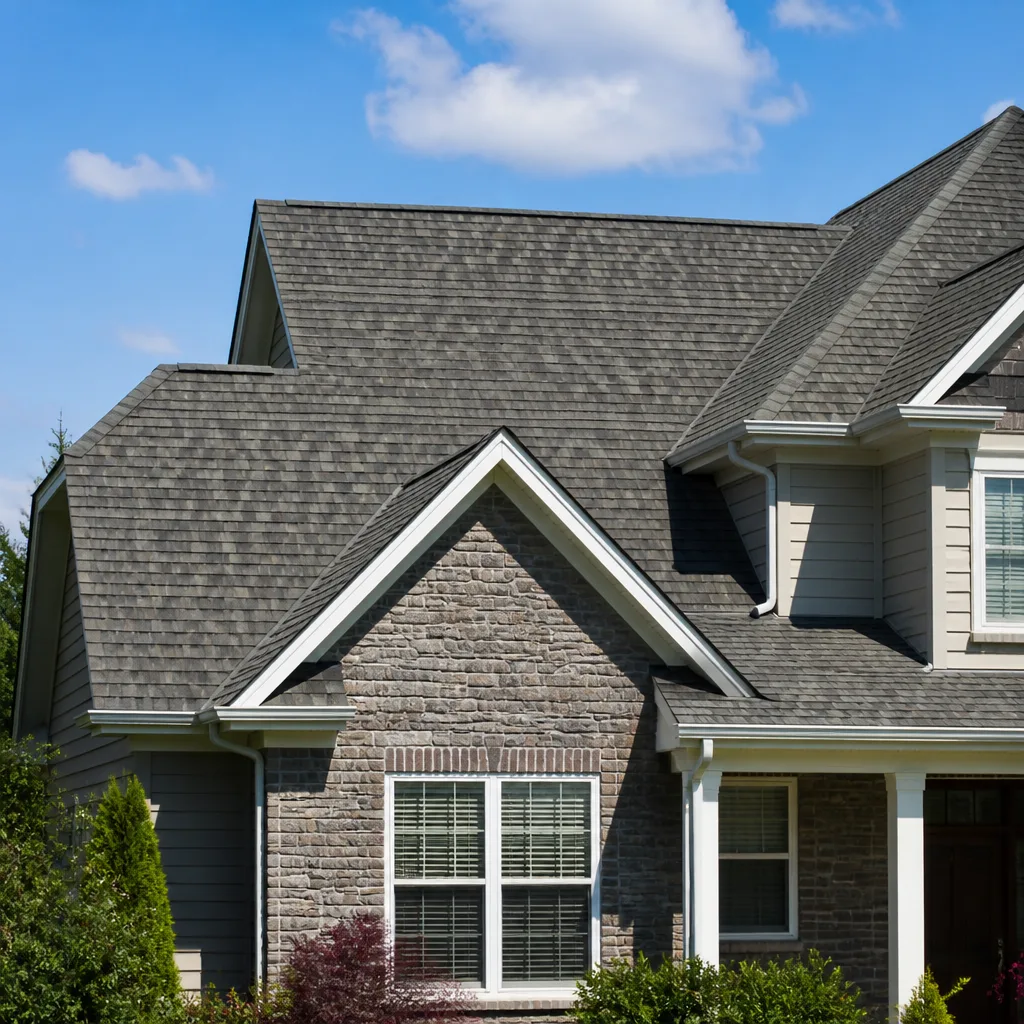 Architectural shingles
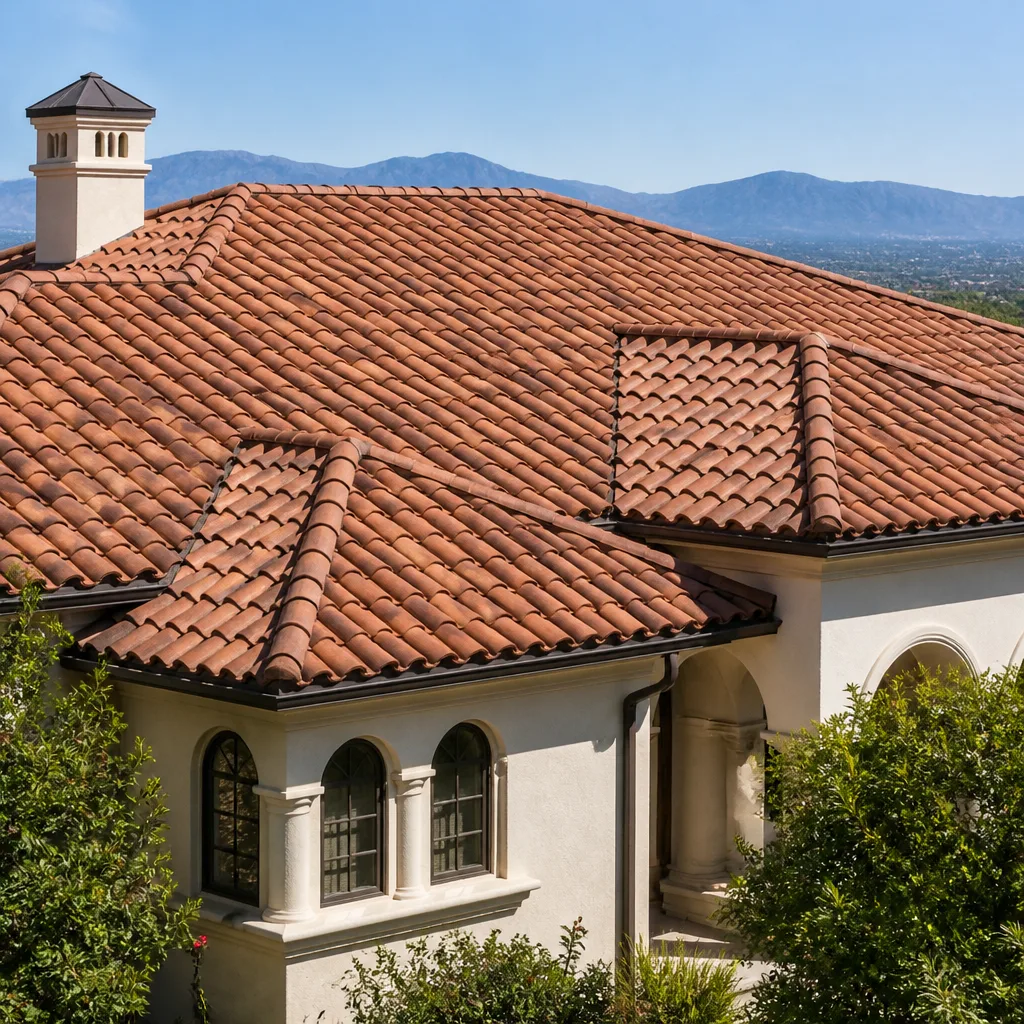 Tile roofing
 GAF
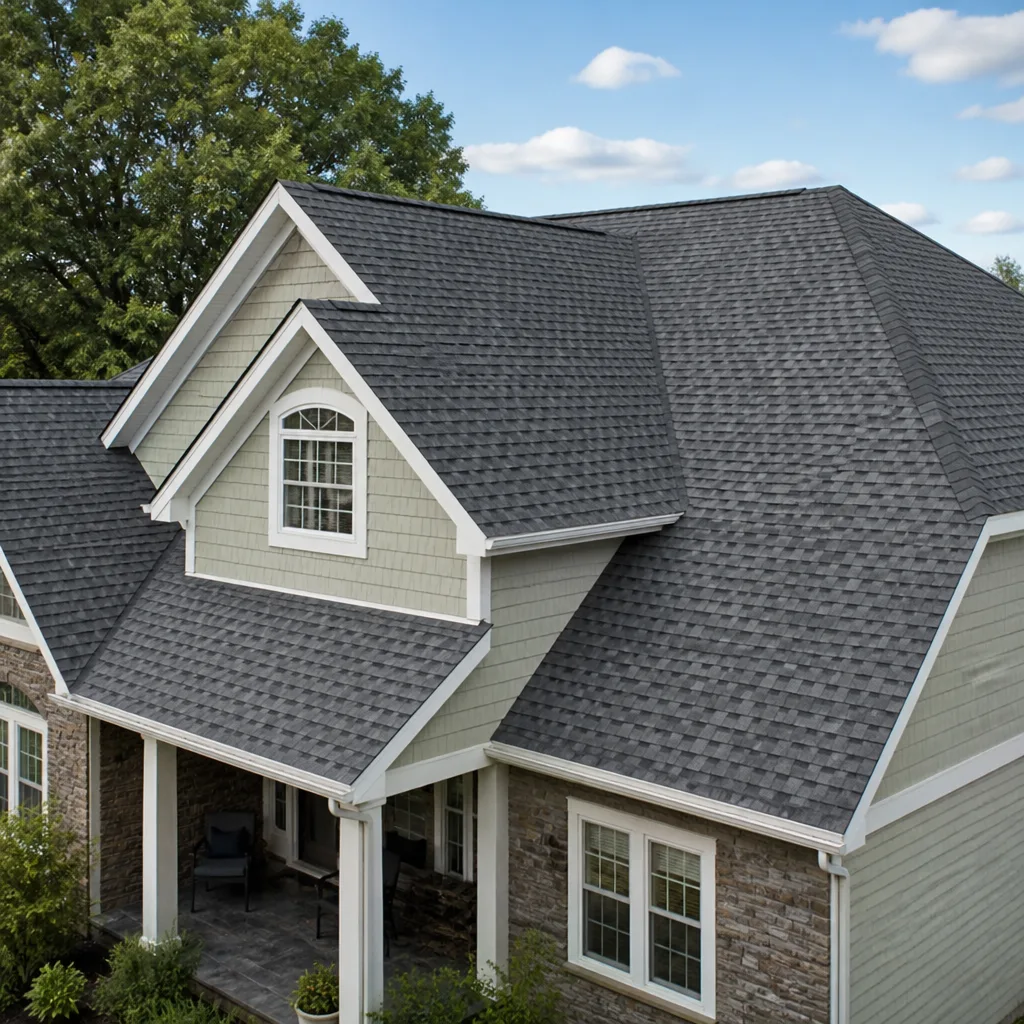 Owens Corning
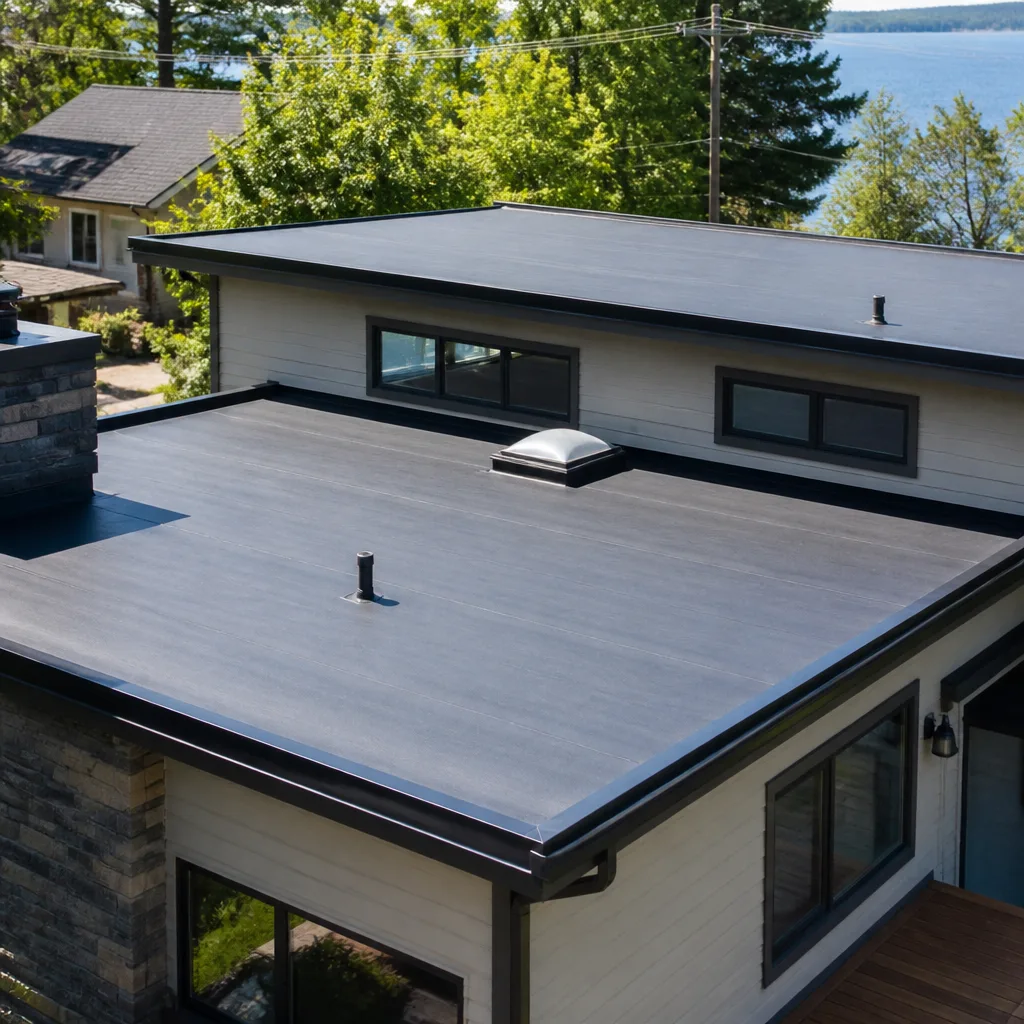 Flat & low-slope
Free roof inspection with deck photos before we talk money - GAF and Owens Corning certified installation
Roofing Cost Breakdown: The Paradise Homeowner’s Reference for 2026
If two Paradise roofing estimates are more than $3,000 apart on a standard ranch-home replacement, the difference is almost always hiding in one of four line items. It isn’t usually dishonesty. It’s slope, decking condition, material tier, and permit costs, four variables most bids never explain. Homeowners end up comparing a premium architectural quote against a stripped-down three-tab quote and assuming the cheaper roofer is overcharging the more expensive one. In this guide, we’ll walk through what each line item actually covers in Paradise, where the money genuinely goes, and how to read a proposal so two estimates finally mean the same thing. By the end, you’ll be able to price a job in your head before the second contractor pulls into your driveway.
Quick Answer
A full roof replacement on a typical Paradise home runs roughly $9,000 to $28,000 depending on square footage, slope, decking condition, and material choice, with most standard architectural shingle jobs landing between $12,000 and $18,000. Repairs on an otherwise sound roof typically start around $350 and top out near $3,500 depending on the scope. The written estimate after decking is exposed is what sets the final price. Every number before that is a well-informed range, not a promise.
Styles & brands we work with
- Architectural shingles
- Metal roofing
- Tile roofing
- GAF
- Owens Corning
- Flat & low-slope
Table of Contents
- Per-Square Costs in Paradise for 2026
- The Decking Variable Nobody Quotes Upfront
- Permits and Inspections: What They Actually Add
- How to Read a Roofing Proposal Side by Side
- Upgrading to 30-Year or Class 4 Shingles: The Real Math
- Why Paradise’s Climate Changes the Cost Curve
- Repair vs Replace: What the Numbers Say
- Common Mistakes to Avoid
- When to Call a Professional
Per-Square Costs in Paradise for 2026
Roofers price jobs in “squares,” where one square equals 100 square feet of finished roof surface. A typical Paradise ranch home with moderate pitch carries 22 to 30 squares once you account for hips, valleys, and the waste factor. Per-square pricing in 2026 has shifted upward from 2024 levels because asphalt shingle resin costs and shipping have both climbed. Here’s where the material tiers land.
- 3-tab asphalt shingle: $380-$520 per square installed. The budget option, but often a false economy in Paradise’s heat.
- Architectural (dimensional) shingle: $475-$700 per square installed. The mainstream choice for most Paradise homeowners.
- Tile (clay or concrete): $1,000-$1,800 per square installed. Heavy, long-lived, and the best fit for the local sun load.
- Single-ply TPO or modified bitumen (low-slope): $550-$900 per square installed. Common on flat and low-pitch patio sections.
Those per-square figures include the shingles, underlayment, fasteners, starter course, ridge cap, drip edge, and labor. They don’t include tear-off, decking repairs, or permit fees, which is exactly where two competing bids for the same house can land $3,000 or more apart. A quote that quietly leaves tear-off to a change order isn’t cheaper, it’s incomplete.
If you’re trying to nail down a real number without surprises, the best step is a roof inspection that measures the actual squares and flags problem areas before anyone bids.
The Decking Variable Nobody Quotes Upfront
Decking is the plywood or OSB sheathing beneath the shingles, and it’s the single biggest reason a “fixed” quote morphs into an uncomfortable conversation. No responsible contractor can give you a final price on a full replacement until the old roof is off and the decking is exposed. Anyone who guarantees a final number sight unseen is either guessing or padding. In Paradise, the exposed decking tells you three things nobody could see from the ground: how much has softened, how much was under-fastened, and whether any previous repair used the wrong material.
Here’s how a typical decking review works in practice:
- Tear-off and inspection. Shingles come off and every sheet of decking is walked, not spot-checked.
- Soft-spot marking. Rotted or delaminated sections are marked in chalk, photographed, and priced per sheet.
- Written authorization. No sheet gets replaced without your sign-off on a line-item estimate.
- Re-deck and nail pattern. New sheets are nailed to the local code pattern before underlayment goes down.
Budget $75 to $150 per sheet for replacement, with most homes needing somewhere between three and twelve. Desert heat cycling is hard on OSB edge joints, so a house that’s been through a couple of decades of Paradise summers often needs more sheathing work than the owner expects. Ask any roofer you hire how decking is priced and whether they photograph the exposed deck before and after. A company that does, and shows you, is usually the one you want. Wexford Roof Repair treats decking as an agreement step, not a surprise.
Permits and Inspections: What They Actually Add
Most cities require a permit for a full roof replacement, so ask your city’s building department before signing anything. In Paradise, a re-roof permit and the required inspections add a line item that usually lands between $250 and $700 depending on the square footage and how many inspection stages your jurisdiction requires. This is not the line to negotiate away. An unpermitted roof can complicate a future sale, and if the decking or attachment needed correction and never got inspected, you won’t know until it fails.
What the permit line actually buys you:
- A paper trail showing the roof was installed to code.
- An inspection of decking fastening, underlayment, and flashing at critical stages.
- Assurance that the work meets whatever wind and fire standards your city enforces at the time of installation.
- Cleaner disclosure when you eventually sell the home.
When a contractor’s quote is dramatically lower than the others, check whether the permit is in there. Sometimes the difference is simply that one bidder isn’t pulling it. That’s a shortcut that costs you later, not now, which is why it feels like a bargain until it doesn’t.
How to Read a Roofing Proposal Side by Side
Two estimates for the same house are only comparable if they cover the same work. Most homeowners compare total dollar figures and pick the middle, which is roughly like buying two cars by looking at sticker price and ignoring engine size. To compare apples to apples, you need each proposal stripped to five visible line items.
- Square count and waste factor. The proposal should show measured squares plus the waste allowance. A wildly low square count often means the roofer is going to come back for a change order.
- Material brand and product line. Not just “architectural shingle” but the specific manufacturer and product. Two different architectural products can vary $80-$150 per square, which is thousands on a typical Paradise job.
- Tear-off scope. One layer or two? A price that assumes a single layer on a double-layer roof will explode the moment the second layer is found.
- Decking allowance. Either a per-sheet price or an explicit statement that decking is billed at cost plus labor. Never accept “included” without a cap.
- Permit and disposal. Both should be visible as separate items so you can see what the contractor is actually paying.
When you line up five apples-to-apples bids, the pricing rarely varies more than a few hundred dollars. When you line up five bids with different scopes, you can easily see a $5,000 spread with no cheating anywhere on the page. This is why a written, line-item quote is worth more than any verbal promise.
Upgrading to 30-Year or Class 4 Shingles: The Real Math
The jump from 25-year three-tab to 30-year architectural shingle is usually $1,200 to $2,500 on a standard Paradise home. The jump from there to a Class 4 impact-rated architectural shingle typically runs another $800 to $1,800. Whether either is worth it comes down to three factors in Paradise specifically: sun exposure, summer heat cycling, and how long you plan to stay.
- Sun exposure. Paradise’s sun load is relentless. A three-tab shingle up there absorbs the same UV as an architectural one but with a much thinner asphalt coating, so it loses granules, then flexibility, then waterproofing. Architectural shingles have a heavier mat and a longer practical life against that pounding.
- Heat cycling. Daily swings between hot afternoons and cool desert nights work on every seam. The heavier mat of the 30-year and Class 4 products handles that expansion-and-contraction cycle with less fastener stress.
- Stay time. If you’re planning to be in the home for more than eight to ten years, the $1,200-$2,500 upgrade is usually the more economical call once you spread it over the extra years of usable life. If you’re listing in two years, spend that money on getting the underlayment and flashing right instead.
Class 4 impact-rated shingles are also worth pricing because some insurers offer credits for them, and because the heavier mat genuinely handles impact damage better even where hail is uncommon. Ask your insurer about the credit before you buy, not after. Run the math against the decades you actually plan to live under that roof, not just a line on a comparison chart.
We install across seven leading brands – GAF, CertainTeed, Owens Corning, IKO, Atlas, Tamko, and Boral – so the recommendation that fits your budget is the one we can offer, not whatever a single manufacturer happens to push.
Why Paradise’s Climate Changes the Cost Curve
Paradise sits in the Mojave at elevation, which does two things to roofing costs. It shortens the practical life of cheap materials, and it makes underlayment and fastening quality matter more than they do in milder climates. Desert heating is not a slow, even process – the roof surface can swing from cold morning temps to well over 150°F on a summer afternoon, every single day. That cycle works faster on underlayment than the shingle advertising suggests.
What that means for your bid:
- Underlayment is not a place to save. A premium synthetic underlayment adds a few hundred dollars and reliably outlasts cheap felt under the same heat load. Ask what underlayment is in the proposal.
- Ventilation matters more here. Ridge and intake ventilation reduce attic heat and protect both the shingles and your energy bill. A roofer who ignores ventilation is quoting a shorter roof.
- Flashing has to be detailed. Sun and thermal movement open small gaps over time. Proper flashing at penetrations and valleys is what keeps a good install from becoming a repair next spring.
If you’re on a flat or low-slope section, TPO or modified bitumen handles the desert better than asphalt shingles laid at too shallow a pitch. A specialist will point that out; a generalist will install whatever they always install and hand you a shorter lifespan.
Repair vs Replace: What the Numbers Say
Not every aging roof needs replacing. Repair makes sense when the roof is under roughly fifteen years old, the problem is localized – a flashing failure, a popped nail, a small wind-lifted section – and the decking is sound. Replace when the roof is past its usable life, when repairs are coming every few months, or when storm damage covers a large percentage of the surface. In Paradise, hail is uncommon, so most storm calls are wind-lift and impact, which usually favor repair if caught early.
Typical repair ranges in 2026:
- Flashing repair (chimney, vent, or valley): $350-$800.
- Small shingle patch: $400-$900.
- Wind-lift repair: $500-$1,500.
- Decking repair under a small area: $700-$1,800.
Multiple repairs stacked in a single year often cost as much as a partial replacement. When you get to $2,500 in a rolling twelve months, it’s time to compare that number against a full roof replacement. Our roof repair service exists exactly for the in-between case: extending the life of a roof that has years left in it rather than pushing replacement on a homeowner who doesn’t need it.
Common Mistakes to Avoid
- Comparing total dollar figures alone. Two bids for the same house that differ only in scope and material grade can land $5,000 apart without any dishonesty. Compare line items, not totals.
- Accepting a “firm” quote before decking is exposed. No responsible roofer can guarantee a final price sight unseen. Ask how decking is priced and how you’ll be asked to sign off on repairs.
- Letting someone talk you out of the permit. Skipping it saves a few hundred dollars now and can cost you far more at inspection or resale. The permit is not optional in most Paradise jurisdictions.
- Ignoring underlayment grade. The shingle gets the marketing, but the underlayment takes the heat. Cheap felt under a desert roof is the wrong place to save a few hundred dollars.
- Upgrading the shingle but not the ventilation. A premium architectural shingle over an under-ventilated attic won’t last like it should. Ventilation and shingle grade work together.
- Hiring for price on a repair that should be a replacement. When repairs are stacking up, the money spent patching a tired roof would be better put toward a new one.
- Skipping the inspection because “it’s just a look”. A standalone inspection tells you what’s actually wrong before you commit to any work. It’s the cheapest thing you’ll buy all year if it saves you from a wrong decision.
When to Call a Professional
Call a roofing specialist when you see any of the following: water staining on a ceiling, missing or lifted shingles, granules collecting in gutters, a visibly sagging roofline, or daylight showing through the attic sheathing. Also call if a neighbor’s roof failed in wind right after yours and it hasn’t been looked at since. Storm and impact damage in Paradise can hide under a shingle that still looks intact, and it’s the hidden stuff that spreads.
High-tension roofing work – steep pitches, ladders, edge work – carries real fall risk, and a lot of the job should not be attempted by anything but a trained, insured roofer. If you’re on the fence, a standalone inspection is the right first call. Wexford Roof Repair offers free estimates in Paradise – call (833) 936-2087. We answer 24/7. Fast dispatch from 7am to 7pm, Sunday through Friday.
See the difference
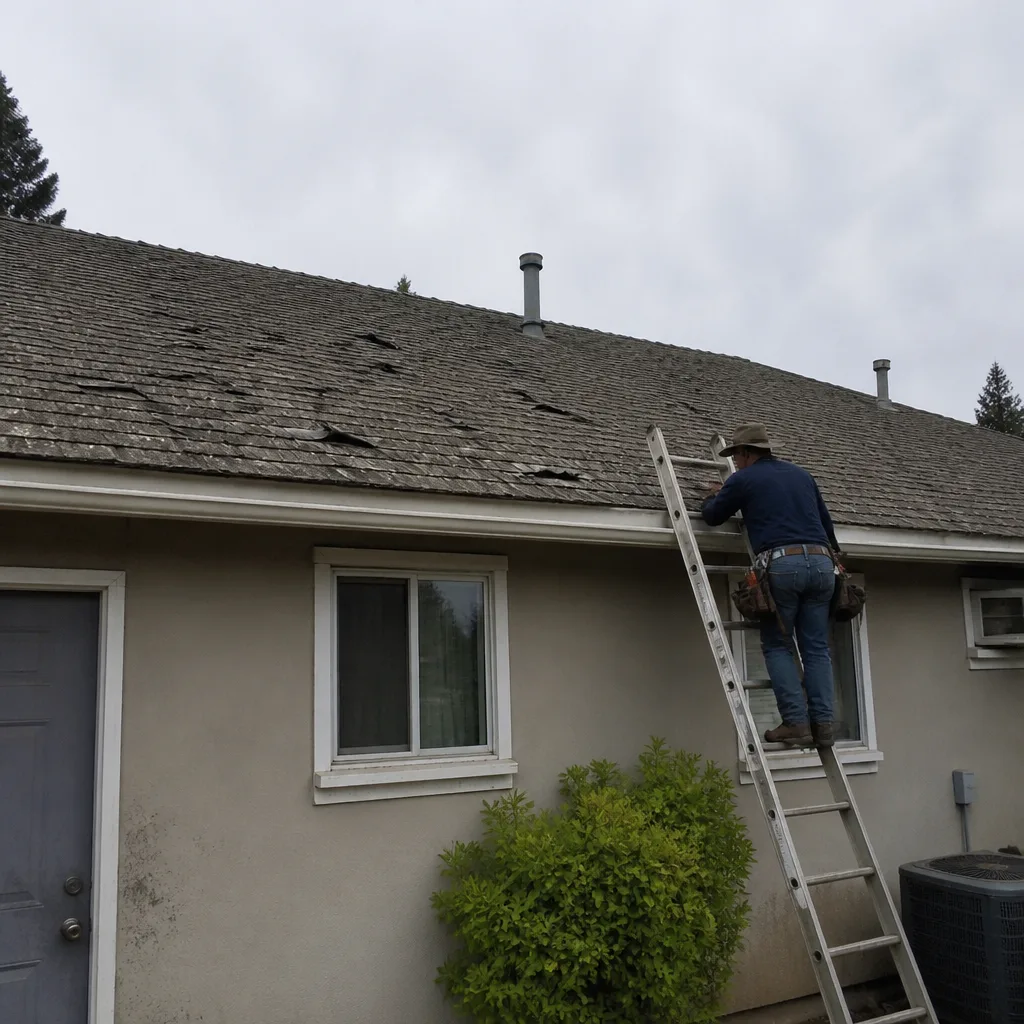 Before
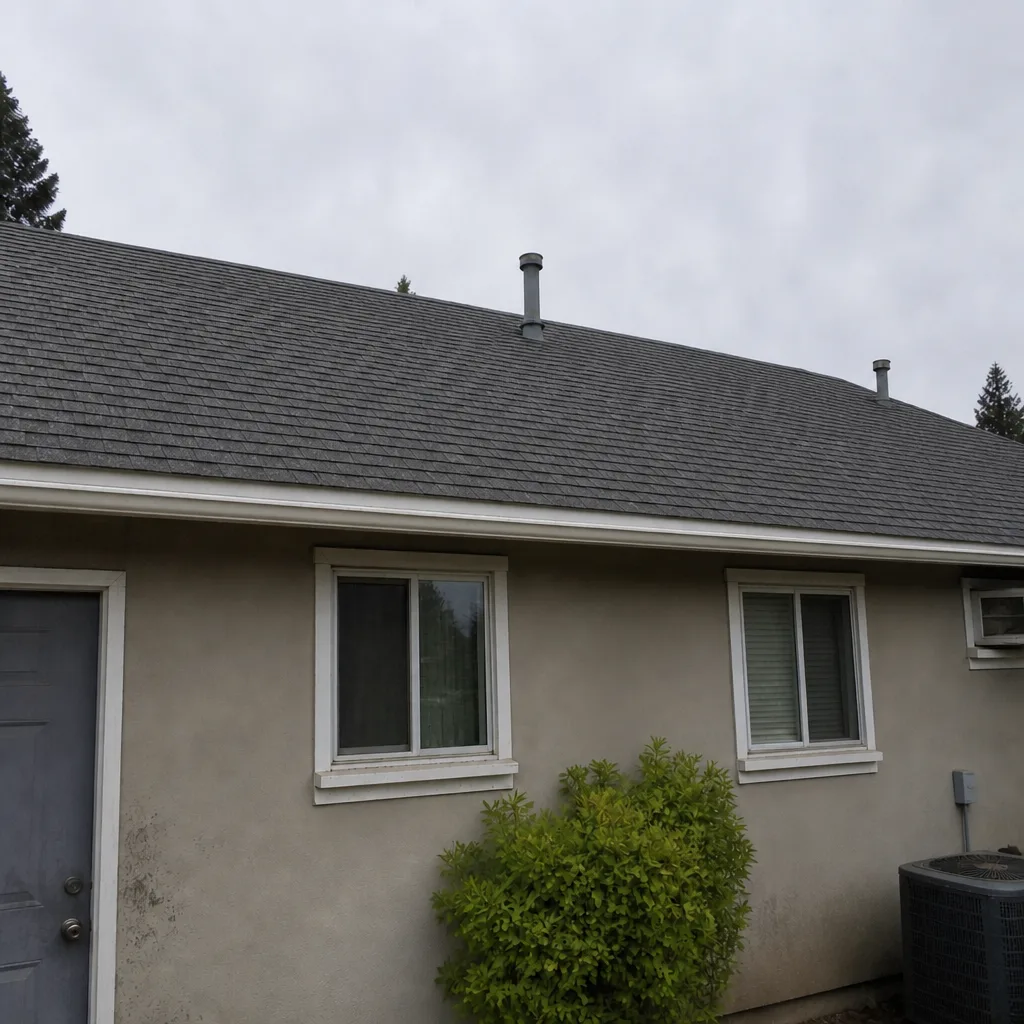 After
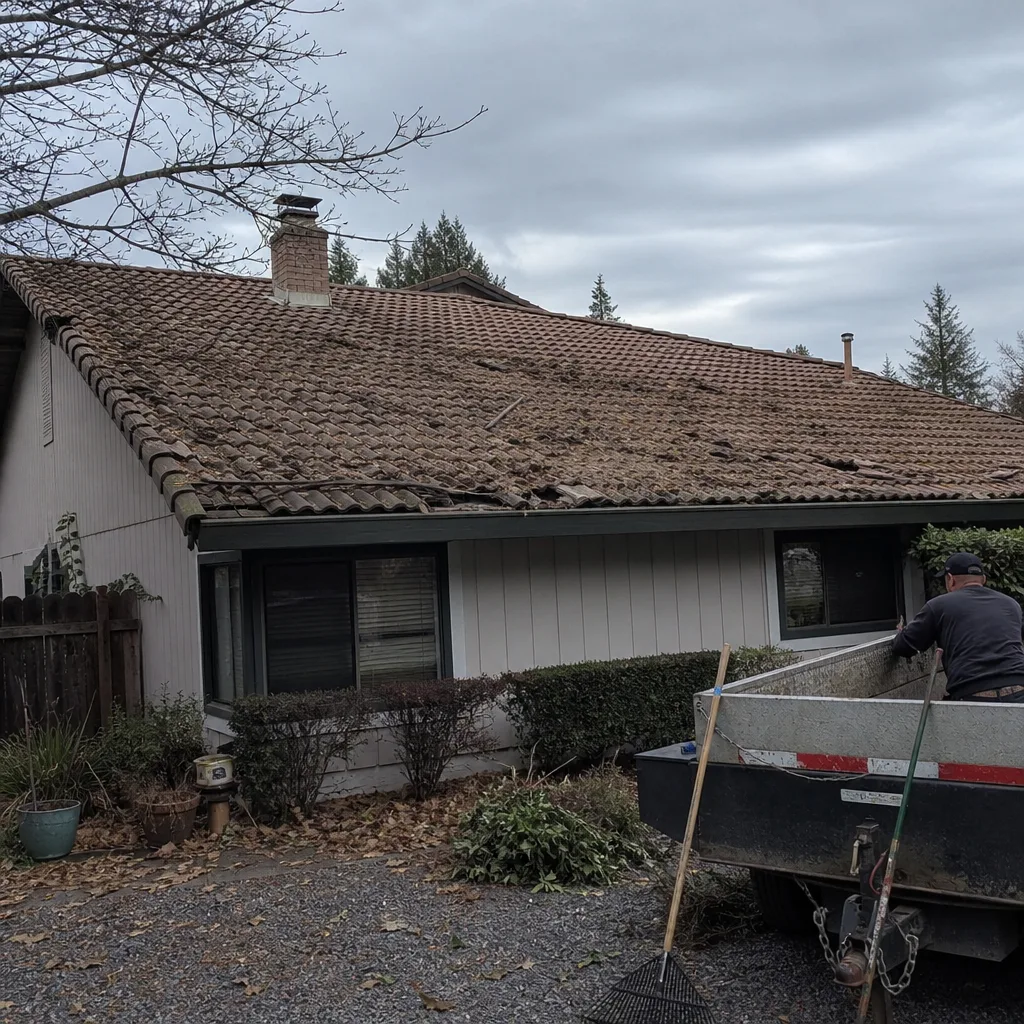 Before
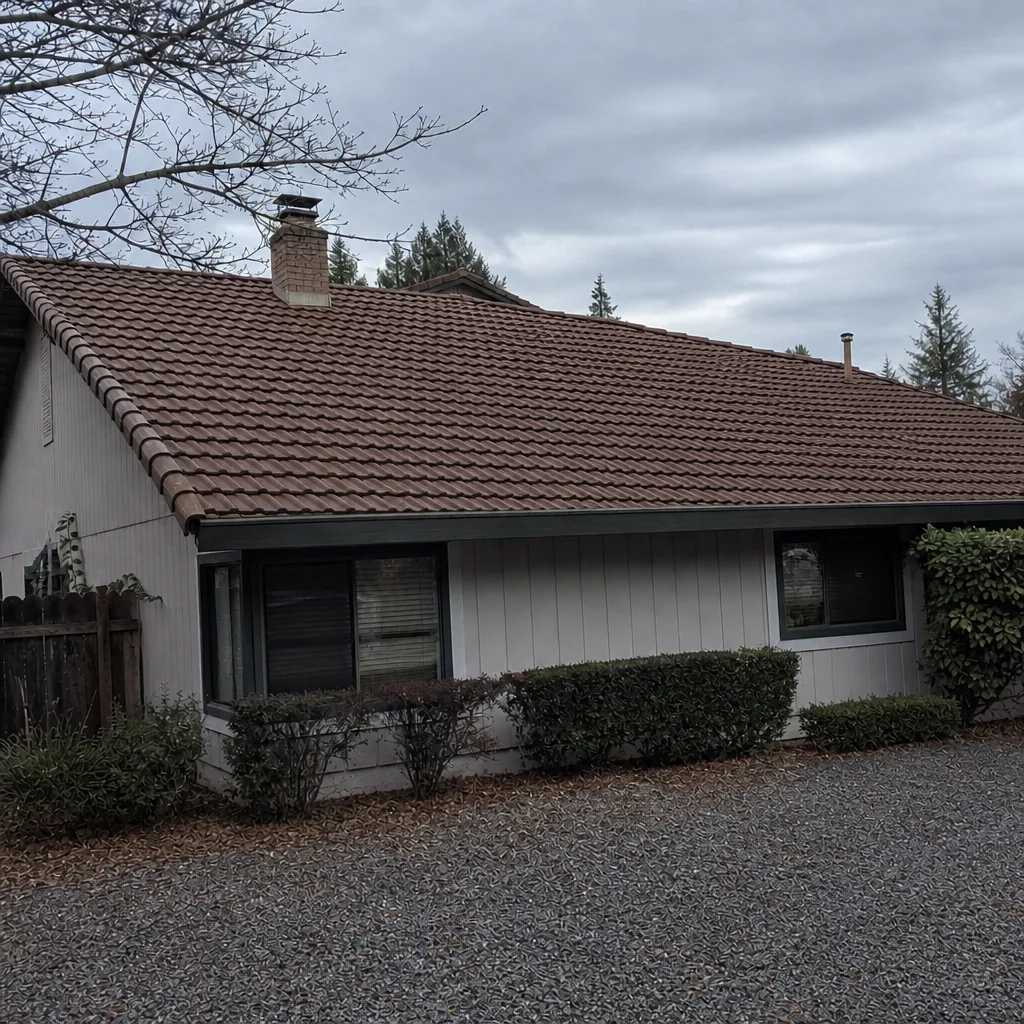 After
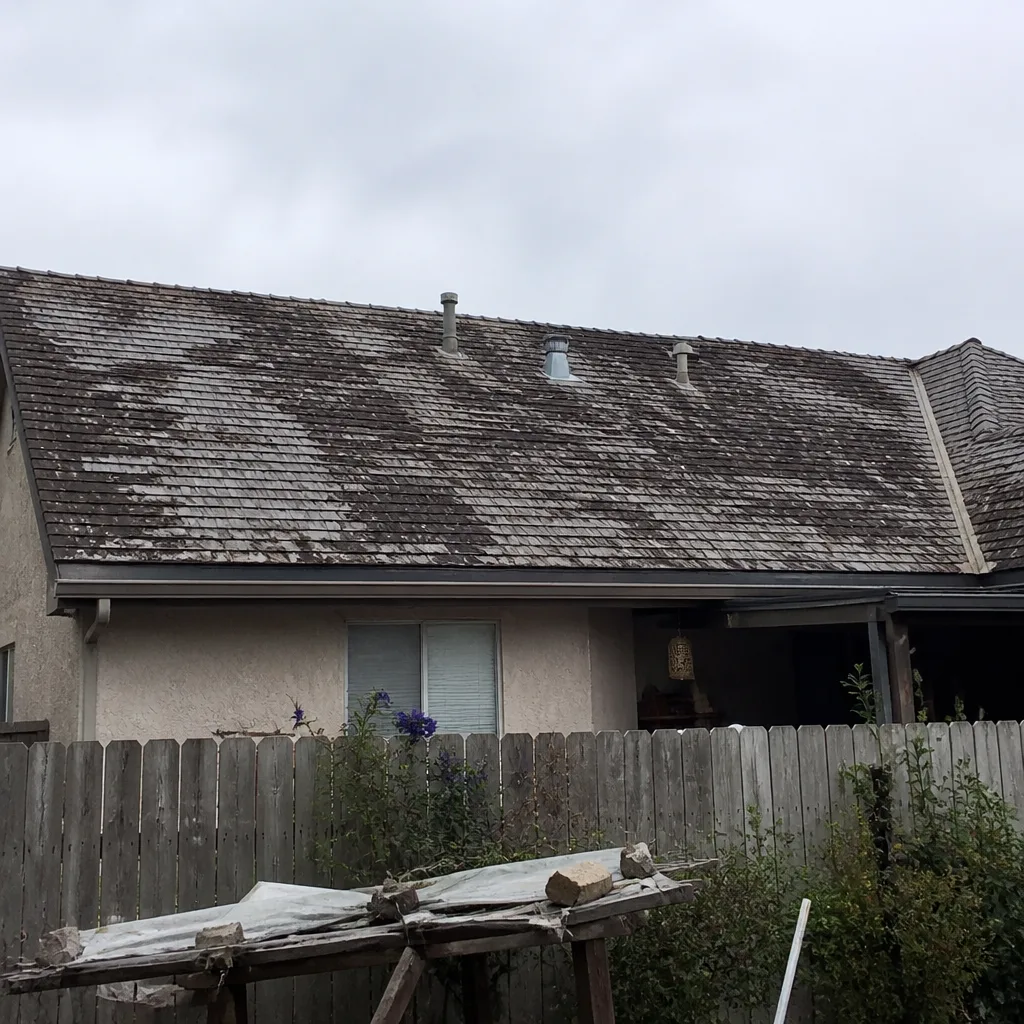 Before
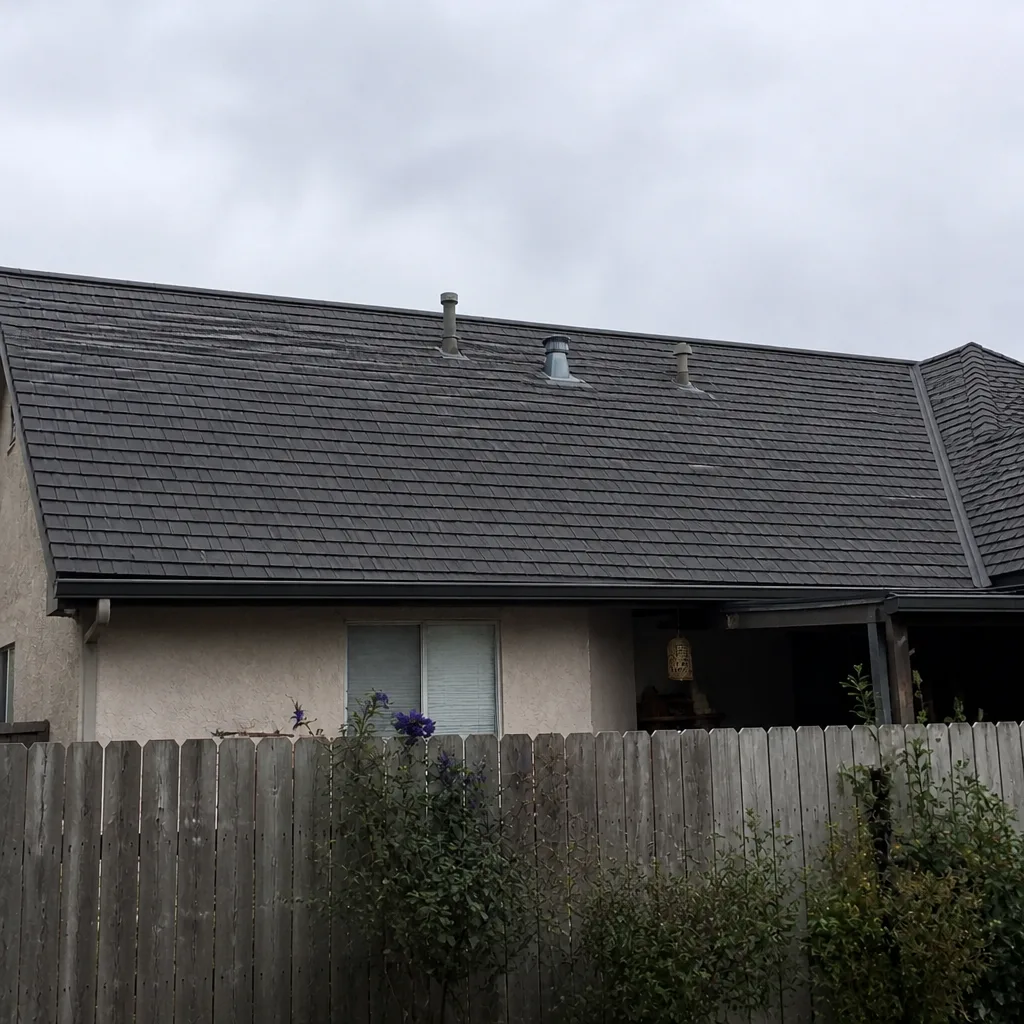 After
Frequently Asked Questions
Most Paradise roof replacements in 2026 land between $12,000 and $18,000 for standard architectural shingles, with the full range running roughly $9,000 to $28,000 depending on square footage, slope, decking, and material. The written estimate after decking is exposed sets the final number. Call (833) 936-2087 for an exact quote – estimates are free.
Not if the proposal is written properly. The only legitimate change is decking replacement, which can’t be priced until the shingles are off, and that should be quoted per sheet and signed off before work continues. A line-item quote with a decking allowance protects you from surprises. Call (833) 936-2087 to walk through a sample proposal.
Permits are pulled for full roof replacements, as most Paradise-area jurisdictions require. The permit line appears as a separate item on your estimate so you can see exactly what it costs, and the work is scheduled to meet the required inspections. Ask your city’s building department about the current process. Call (833) 936-2087 to start with an inspection.
Most standard ranch homes finish in two to four working days once materials are on site and permits are in hand, with a little extra if decking needs replacement. Tile roofs and complex profiles can take a day or two longer. We answer 24/7. Fast dispatch from 7am to 7pm, Sunday through Friday.
Yes, for most Paradise homeowners who plan to stay more than eight to ten years. The upgrade usually costs $1,200 to $2,500 on a typical home, and the heavier mat handles the desert’s daily heat cycling far better than three-tab. Call (833) 936-2087 for a quote that shows both tiers side by side.
An inspection is a standalone assessment of the roof’s actual condition – no repair or replacement pitch attached. It tells you what’s wrong, what’s fine, and what to watch. A repair estimate prices the specific work. At Wexford Roof Repair, inspection is a service you can book independently. Call (833) 936-2087 to schedule one.
The Bottom Line
Roofing costs in Paradise vary by thousands for the same house because the same scope isn’t always in the quote. Compare line items, not totals. Expect decking to be exposed and priced before the final number is set. Keep the permit line in. Match underlayment and ventilation to the material grade so a premium shingle isn’t wasted over a cheap base. And when you’re weighing a repair against a replacement, run the twelve-month money trail – not the marketing claims – before you decide. A free, line-item estimate from a specialist is the fastest way to know your real number for 2026.
If you’re ready to compare real options across brands and budgets, and you want a straight answer from a company that only does roofs, start with a Paradise inspection and go from there. Call (833) 936-2087. We answer 24/7. Fast dispatch from 7am to 7pm, Sunday through Friday.
Written by the team at Wexford Roof Repair.