
Last updated November 15, 2026
 Metal roofing
 Architectural shingles
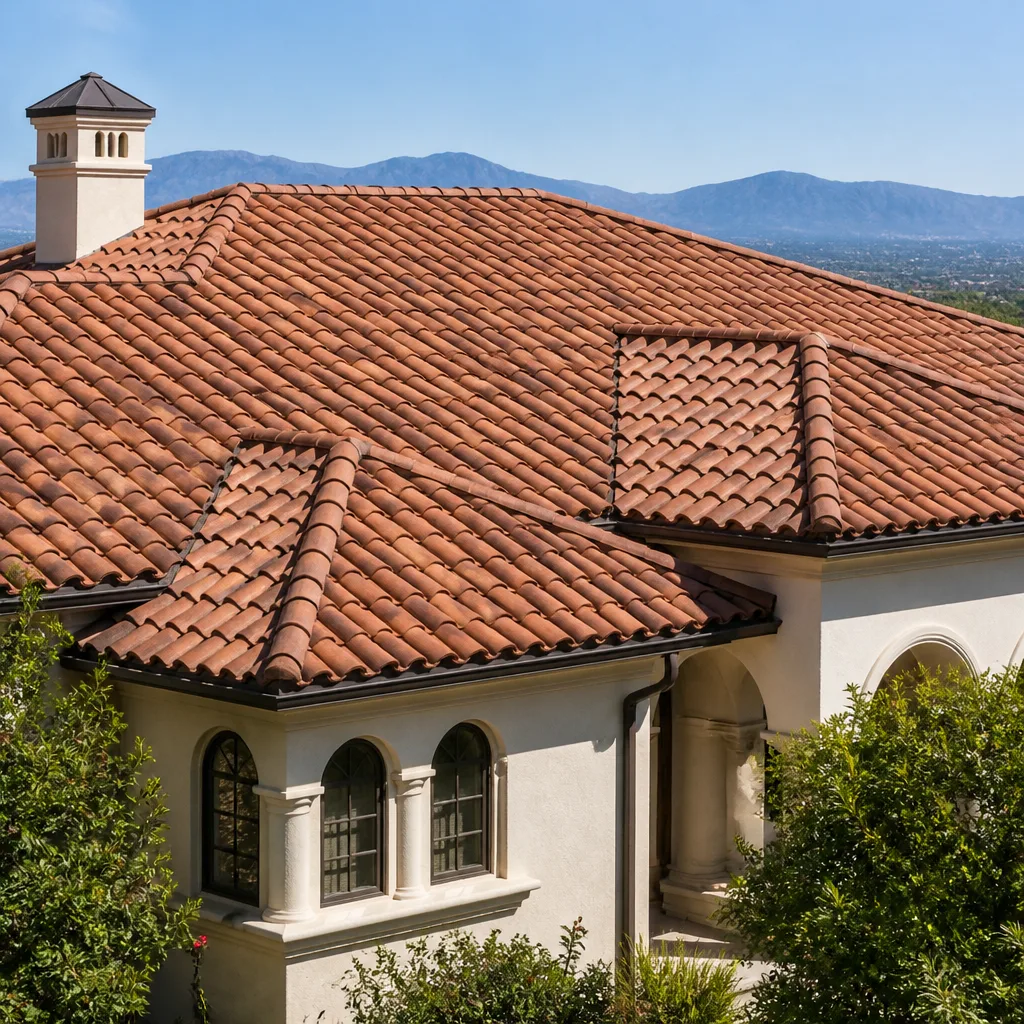 Tile roofing
 GAF
 Owens Corning
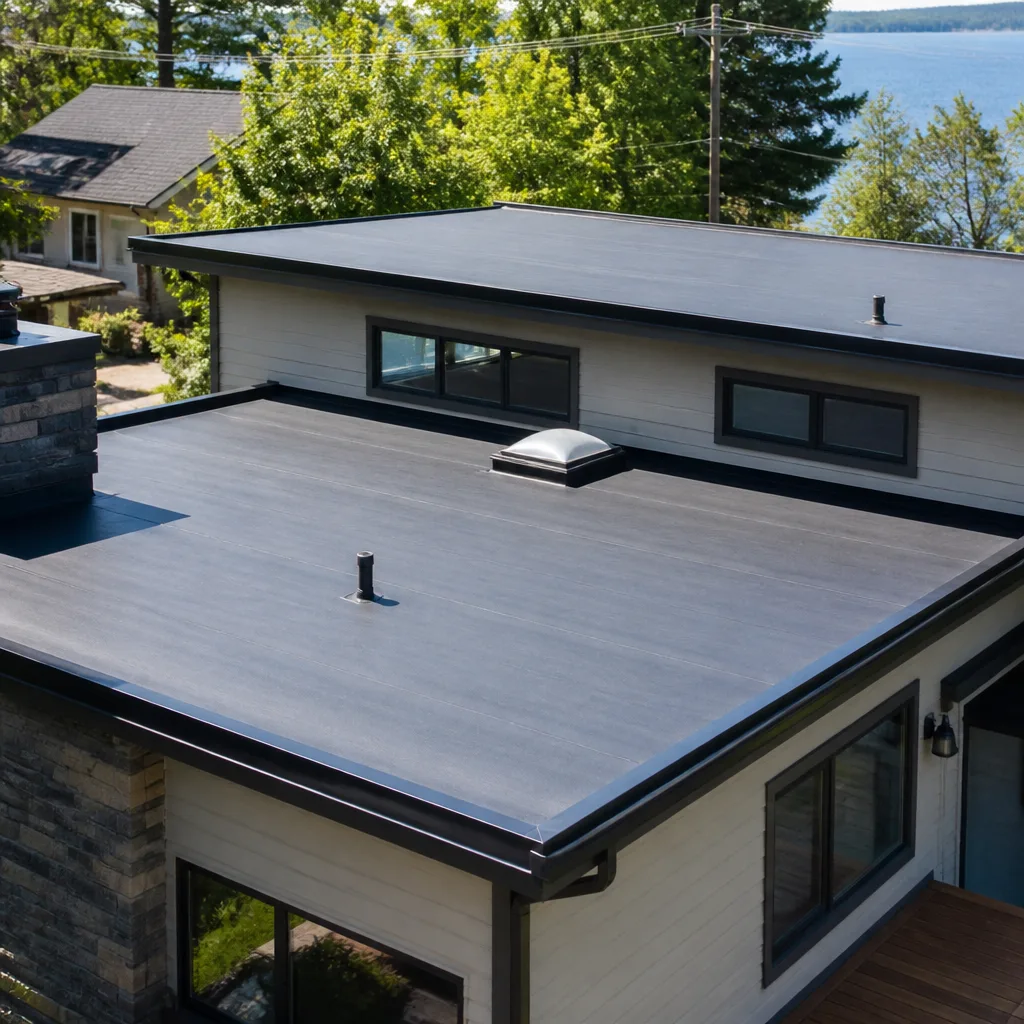 Flat & low-slope
Free roof inspection with deck photos before we talk money - GAF and Owens Corning certified installation
Roofing Emergency Preparedness Guide for Paradise Homes
Most Paradise homeowners already have an earthquake kit, a flashlight, and water bottles stashed in the garage. Very few have a roofing emergency plan. That gap shows up the moment a monsoon wind event rolls through the valley at 10 PM, shingles start lifting, and the first stranger with a ladder knocks on the door offering to tarp the roof on the spot. Signing anything in that moment is the expensive mistake we see most often. This guide walks through the first two hours after storm damage, safe temporary tarping, the insurance claim sequence, how to spot predatory post-storm contractors, and the pre-event file every Paradise roof should have ready before the next wind season.
Quick Answer
After storm damage on a Paradise roof, protect the interior first, document everything with photos and video before touching anything, and call your insurance company before you sign a contractor estimate. Temporary tarping is worth doing only if you can reach the area safely from the ground or a stable ladder and the roof is dry; anything steep, wet, or above one story should wait for a trained roofer. Wexford Roof Repair answers calls 24/7 and dispatches from 7am to 7pm, Sunday through Friday.
Styles & brands we work with
- Architectural shingles
- Metal roofing
- Tile roofing
- GAF
- Owens Corning
- Flat & low-slope
Table of Contents
- What to Do in the First Two Hours After Storm Damage
- How to Apply Emergency Tarping Safely
- The Insurance Claim Sequence: File Before You Sign
- How to Spot Predatory Post-Storm Contractors in the Las Vegas Valley
- Building Your Pre-Event Roofing File
- Why Monsoon Season Tests Paradise Roofs Harder Than Winter
- Why a Standalone Inspection Belongs in Your Emergency Plan
- When Emergency Repair Turns Into a Replacement Decision
What to Do in the First Two Hours After Storm Damage
The first two hours set the tone for everything that follows, and the most important decisions in that window have nothing to do with picking a contractor. They are about stopping water, capturing proof, and getting your insurer involved before anyone puts a number on paper. In our experience across Paradise, the homeowners who handle a storm calmly are the ones who already knew the sequence. The ones who don’t often end up paying twice, once for a rushed repair and once to undo it.
Here is the order that works:
- Move water away from the interior. Buckets under drips, towels along the baseboards, and furniture pulled clear of the wet zone. If water is pooling near an electrical outlet or a ceiling fixture, shut off the breaker for that circuit before you do anything else.
- Photograph everything before you touch it. Wide shots of each room, close-ups of the stain, the ceiling bubble, the wet drywall. Then go outside, stand back, and photograph the roof from the ground. Note the date and time on each photo.
- Call your insurance company’s claims line. You do not need a contractor’s estimate to open a claim. In fact, opening the claim first means the adjuster’s documentation becomes the benchmark, not a contractor’s number.
- Call a roofing specialist to schedule an inspection. Not the contractor who knocks. A roofing-only company that will tell you what is actually wrong, not just what costs the most to fix.
- Keep every receipt. Anything you buy to stop the leak, from tarps to fans to a wet-vac rental, goes in the claim file.
One detail Paradise homeowners often miss: valley wind events push fine dust into every gap, and that dust mixes with the first rain into a muddy slurry that runs down interior walls and stains drywall permanently. If a ceiling is wet, wipe and dry what you can reach before the stain sets. The roof repair conversation can wait until morning. The water damage control cannot.
How to Apply Emergency Tarping Safely
Emergency tarping stops water intrusion on a damaged Paradise roof when it is done right from a stable position, and creates a new problem when it is done wrong. The tarps themselves are rarely the issue. The way they are attached usually is. Nailing or screwing a tarp directly through shingles compresses the mat and opens pinholes that leak worse than the original damage, and any fastener driven into an active roof deck can void a manufacturer’s warranty on the shingle course beneath it. One of the reasons we work with materials from GAF, CertainTeed, Owens Corning, and other major brands is that we can tell a homeowner exactly what their roof’s warranty language says about temporary attachments before they make that call.
If you are going to tarp from the ground or a stable ladder, here is the safe version:
- Only tarp a dry roof. Wet shingles are slick, and valley wind after a monsoon often leaves a fine layer of dust that behaves like ball bearings underfoot.
- Stay off any roof steeper than a gentle walkable pitch. Most Paradise homes have at least one slope you should not be standing on.
- Run the tarp 12 to 18 inches past the damaged area on every side so water drains away from the opening rather than pooling at its edge.
- Weight the tarp with sandbags or rope tied to ground anchors rather than fastening through the roof surface.
- Tie off or remove loose tarp edges in high wind so the plastic does not whip and tear at shingle edges overnight.
And when it is not safe: any roof above a single story, any roof that is wet, any roof with visible sagging, and any situation where the only ladder you have access to is unsecured. A person who falls off a Paradise roof while tarping a repair has turned a roofer problem into a hospital problem. That is the moment to call a professional. We answer 24/7, and fast dispatch from 7am to 7pm handles the overnight cases that come in after a wind event.
The Insurance Claim Sequence: File Before You Sign
Filing the claim before accepting any contractor’s estimate is the single highest-leverage decision a Paradise homeowner makes after storm damage. The reason is simple: an adjuster’s scope of loss establishes what the policy will pay for, and once that scope is set, every contractor bid is measured against it. If you sign a contractor’s estimate first, that number anchors the entire claim, and the adjuster now works backward from someone else’s scope instead of forward from the damage itself.
The correct sequence:
- Call the claims line and open a claim. Get a claim number and the name of your assigned adjuster in writing.
- Submit your own documentation. The photos and video you took in the first hours are the most valuable evidence you have, because they show the damage before any repair began.
- Schedule the adjuster’s inspection. The adjuster will walk the roof and document it their way. Do not agree to have a contractor’s estimate presented before that walk.
- Get two or three written estimates from roofing specialists. Now you can compare apples to apples against the adjuster’s scope.
- Review the scope with your adjuster before signing a repair contract. If a contractor’s estimate is higher or lower than the adjuster’s scope, ask both sides to reconcile the difference on paper.
What adjusters actually want in the file: dated photos of the damage from multiple angles, a written description of when the damage occurred, receipts for any emergency mitigation you paid for, and an inspection report from a roofing company. That last item is why a standalone inspection matters so much in Paradise. An inspection that tells you what is actually wrong, not just what costs the most to fix, gives the adjuster a professional document to work from and gives you a second set of eyes on the scope. If the adjuster’s number and the contractor’s number disagree, the report is what breaks the tie.
One thing to know before you call: not every leak is a covered event. Wear and tear, failed original installation, and long-term neglect are typically excluded. That is another reason the inspection comes before the claim. Knowing whether your damage is a sudden storm event or a slow-developing problem saves you from a denied claim on your record.
How to Spot Predatory Post-Storm Contractors in the Las Vegas Valley
The Las Vegas Valley has a specific post-storm pattern that Paradise homeowners should recognize. After a wind event, a wave of out-of-area crews arrives offering same-day tarping and a free estimate. Most are legitimate. A smaller number are not, and the warning signs are consistent. Learning them before the next monsoon is the whole point of emergency preparedness.
What to watch for:
- They knock first. Legitimate roofing specialists get called. Storm chasers canvas door to door because they need to reach you before you have had time to think.
- They want you to sign a document on the porch. That document is often a “contingency contract” or a “scope of work agreement” that commits you to using them before your adjuster has even seen the roof.
- They quote a number before they have been on the roof. No roofing specialist can price a Paradise repair from the driveway. There are too many variables in the deck, the underlayment, and the flashing.
- They ask you to sign a document assigning your insurance benefits to them. This hands control of the claim money to the contractor. Decline it. You keep control of the claim.
- They cannot give you a local business address or a written estimate with a scope of work. A written line-item quote is the standard, not a special favor.
- They tell you the tarp has to be nailed through the shingles. We covered why in the tarping section. It is a shortcut that damages the roof further.
If you have already signed something, do not panic. In Nevada, a homeowner who signed a post-storm contract under pressure has recourse. Step one is to get the signed document out of your files, read it in daylight, and identify exactly what you agreed to. Step two is to contact the Nevada State Contractors Board, which handles contractor licensing complaints and can tell you whether the company that knocked is even licensed to work in the state. Step three is to call your insurance company and tell the adjuster that a contract exists, so the claim file reflects it before the adjuster’s scope is set. And step four: call a licensed roofing specialist, share what you signed, and have them walk the roof. If the tarp work already caused damage, better to know before you sign anything else.
For more on how a properly licensed and specialized company operates in the valley, see our Paradise page for the local context a homeowner should expect from a roofer.
Building Your Pre-Event Roofing File
A pre-event file is the single most useful thing a Paradise homeowner can put together before the next monsoon. It is a folder, physical or digital, that holds everything you or an adjuster or a contractor would need after storm damage, and it turns a panicked 10 PM scramble into a 10-minute process. This is the part almost nobody does. It is also the part that pays for itself the first time you need it.
Here is what belongs in the file:
- Roof age and material. The approximate installation date and the shingle or tile brand, if you know it. If you do not know, an inspection will tell you.
- The date of your last roof inspection. A roof that has been inspected within the last year is in a much better position when a claim comes.
- Twelve or more ground-level photos of your roof taken on a clear day, from every angle you can reach. These are the “before” shots, and they are worth gold when the “after” shots get compared against them.
- The name and phone number of a roofing specialist you would actually call. Someone you have spoken to before the storm, not a stranger who knocks after it.
- Your insurance policy number, the claims line, and the adjuster contact if you have one assigned.
- Any receipts for past roof work. Repairs, replacements, and inspections all belong in the file.
- A note on which interior ceilings and walls show old water stains. New leaks show up first where old ones left marks, and knowing the “before” prevents a claim dispute later.
The file does not need to be elaborate. A digital folder with a dated subfolder for each set of photos is enough. The point is that when a monsoon takes a course of shingles off your Paradise roof, you are not starting from zero. You are pulling up known facts and calling a known number. That single habit is the difference between a calm response and a contract signed on the porch at midnight.
Why Monsoon Season Tests Paradise Roofs Harder Than Winter
Paradise winters are gentle on roofs. Monsoon season is not. The combination of prolonged summer sun that bakes shingle mat and seals, followed by sudden high-wind events and short, hard rain, is the toughest test a valley roof faces each year. The heat alone ages a roof faster than in most of the country, because the daily thermal swing between day and night expands and contracts every component on the deck. By the time a July storm arrives, the shingles have often been through months of that cycle, and the wind has an easier job of lifting them.
What that means for Paradise homeowners:
- Check the seals in late spring, before the first monsoon. Lifted or curled shingle tabs are the leading indicator of a wind event becoming a leak event.
- Clear debris from valleys and gutters in early summer. A blocked valley turns a small rain event into an overflow that runs under the shingles and into the attic.
- Look at flashing around chimneys, vents, and skylights after any wind event. Flashing failures show up as interior stains weeks after the storm, and by then the source is harder to find.
- Watch the underside of the roof deck in the attic for daylight or water marks. A 5-minute look in the attic after a storm tells you more than 30 minutes on the ground.
Valley wind events do not arrive with a warning you can act on. They arrive, they pass, and they leave damage. The roofing plan is what you do before and after, not during. The manufacturer matters here too. Different shingle lines from CertainTeed and Tamko handle heat cycling differently, and a roof that was installed with the right product for this climate is measurably less likely to lift in a monsoon than one that was not. When the time comes to repair or replace, the material choice is part of the emergency plan, not separate from it.
For a full walkthrough of how a valley replacement actually runs and what it involves, see our roof replacement page.
Why a Standalone Inspection Belongs in Your Emergency Plan
An inspection is the cheapest item in a roofing emergency plan and the one that prevents the most expensive outcomes. A standalone inspection from a roofing specialist does not commit you to repair or replacement. It gives you a documented picture of your roof’s condition, and it gives an insurance adjuster something professional to work against if a storm does hit. For Paradise homeowners, it is the difference between finding a lifted ridge cap in April and finding a wet attic in August.
What a proper inspection covers:
- The shingle or tile surface, looking for lifted, cracked, or missing sections
- Flashing around every penetration: chimney, vents, skylights, and any roof-to-wall junctions
- Valleys and gutters for debris and wear
- The underlayment and deck condition, where visible from the attic
- A written report with photos that goes in your pre-event file
We do one thing: roofs. Repair, replacement, and inspection, start to finish. That focus means an inspection from us is not a sales visit disguised as an assessment. It is a professional set of eyes telling you what is actually wrong and what can safely wait. For a homeowner in Paradise who has watched the monsoon season come and go for a few years without ever having the roof looked at, it is the first thing to schedule.
When Emergency Repair Turns Into a Replacement Decision
Not every storm-damaged roof is a replacement candidate, and not every repair is worth the money. The decision hinges on three things: the extent of the damage, the age of the roof, and how many previous repairs are already on the roof. A single wind event that takes shingles off one slope on a ten-year-old roof is a repair. Widespread damage across multiple slopes on a roof that was already near the end of its life is usually a replacement, even if the storm is what triggered the decision.
A straightforward way to think about it:
- Repair makes sense when the damage is localized, the roof is relatively young, and the underlying deck is sound. A targeted repair extends the life of a salvageable roof and gets you through the next monsoon.
- Replacement makes sense when the damage is widespread, the roof is older, the deck shows rot or soft spots, or you have already repaired the same area more than once.
- Replacement is often the better insurance claim when the adjuster’s scope of loss ends up close to the replacement cost anyway. In that case, the money goes into a new roof rather than a band-aid on an old one.
The material choice inside a replacement is where a Paradise homeowner has real leverage. We work with seven leading brands across the residential market, so we can match the right product to your roof type, your budget, and the valley climate rather than pushing one manufacturer’s line. Whether that is a mid-tier architectural shingle from GAF or Owens Corning or a premium tile profile from Boral, the homeowner chooses the product, not the other way around. Get the inspection first, then the estimate, then the decision.
Common Mistakes to Avoid
- Signing a contractor’s estimate before opening an insurance claim. This anchors the claim to a number that was never the adjuster’s to begin with, and it gives up your leverage before you have any. Open the claim, get the adjuster’s scope, then compare estimates.
- Tarping a roof by nailing through the shingles. It damages the mat, opens pinholes, and can affect the shingle manufacturer’s warranty on the course beneath. Weight the tarp or tie it off instead.
- Getting on a wet or steep Paradise roof to “save” a section. The cost of a fall is not worth the cost of any repair. If the roof is wet, steep, or above one story, it is a job for someone with the right equipment.
- Calling a general contractor first. Roofing is the whole business at a specialist. A generalist will get to your roof eventually, but a roofing-only company gets there with the right diagnosis from the start and the right materials selected for the valley climate.
- Waiting to inspect until a stain appears inside. By the time water shows on a Paradise ceiling, the leak has usually been running long enough to wet the deck and the insulation. An inspection catches it before that.
- Skipping the pre-event file. Homeowners who do not have dated photos, roof age, and a specialist contact end up making decisions in the dark. That file is your calm response.
- Agreeing to assign your insurance benefits to a door-knocking contractor. It hands control of the claim to the contractor. You want to keep control of both the money and the scope.
See the difference
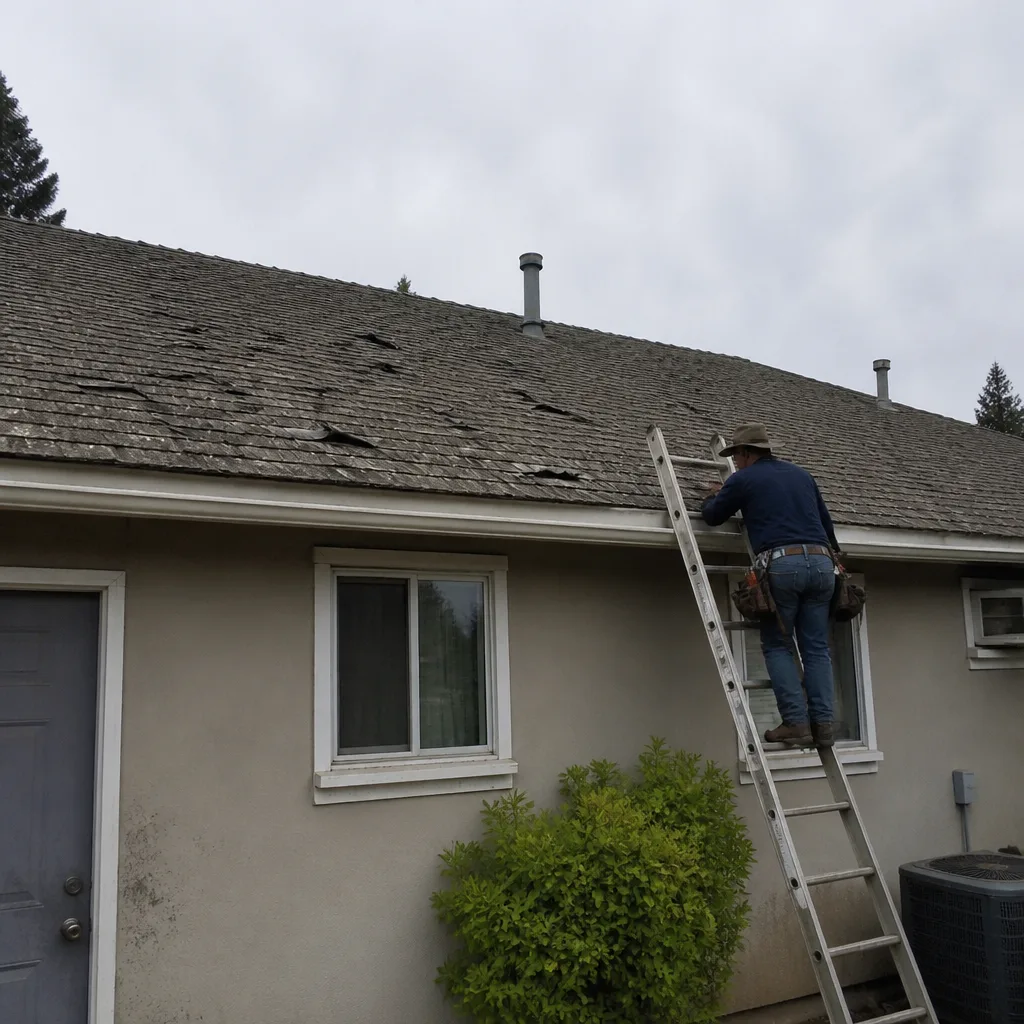 Before
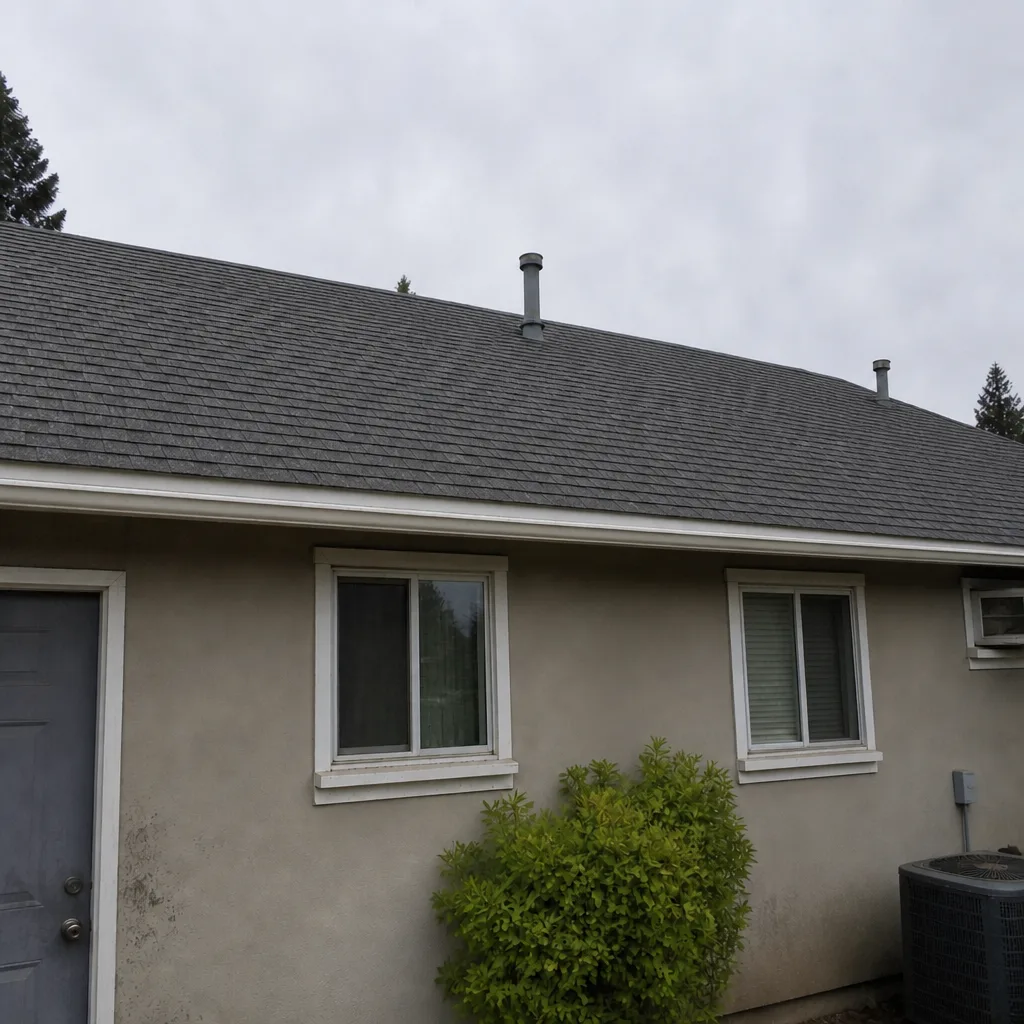 After
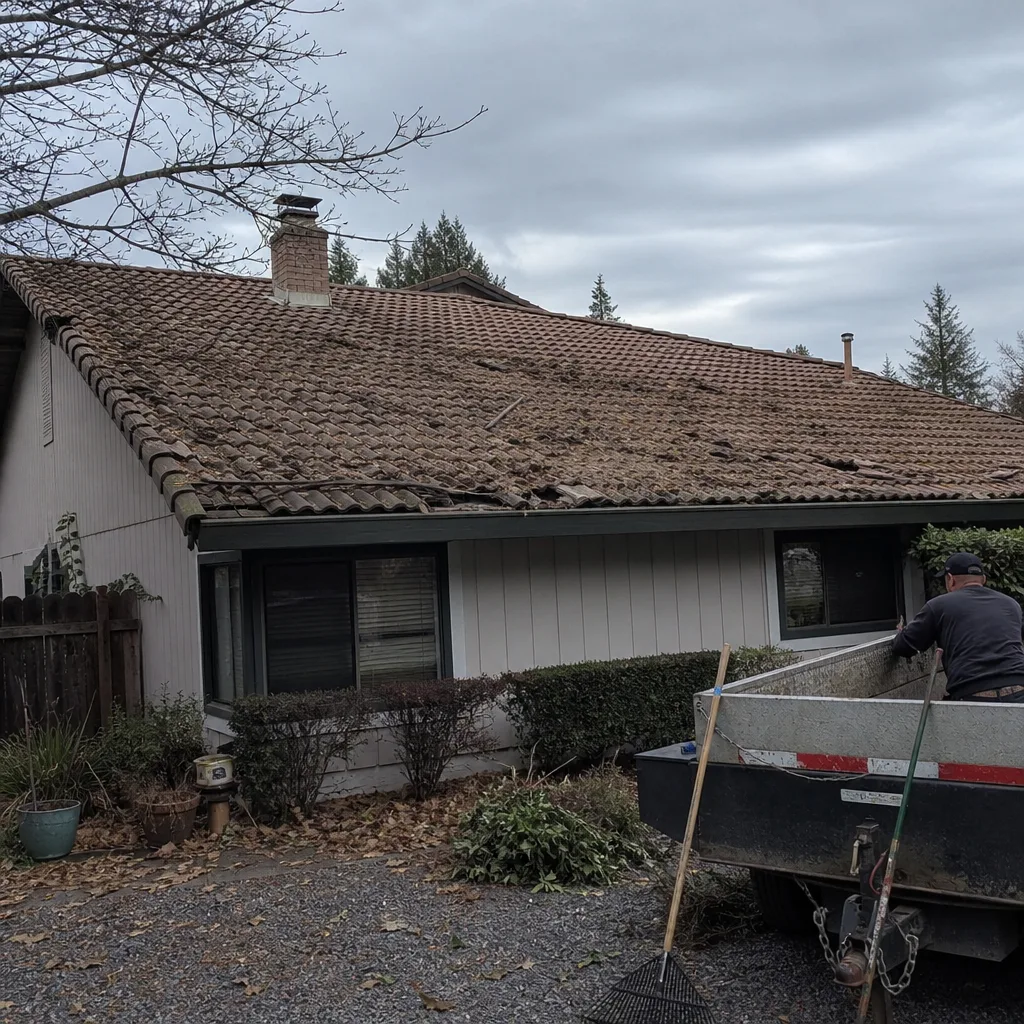 Before
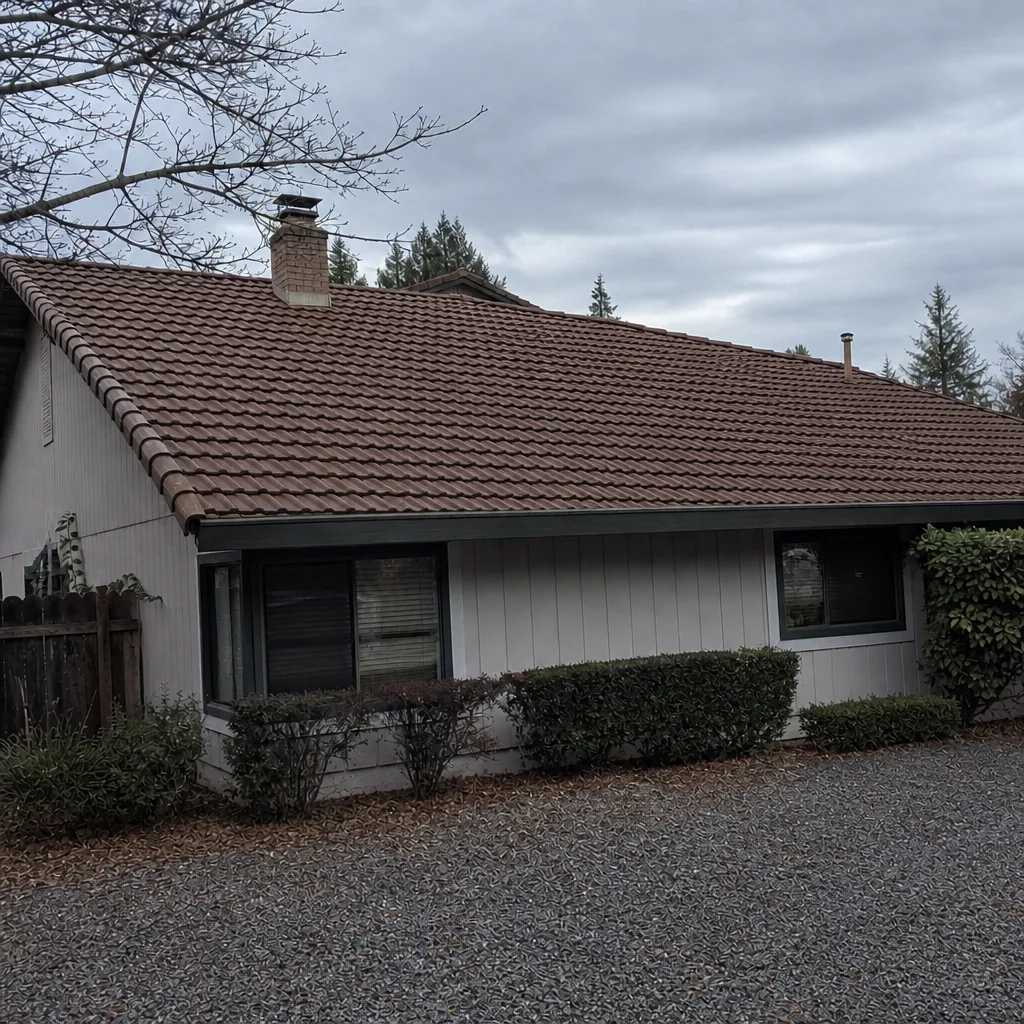 After
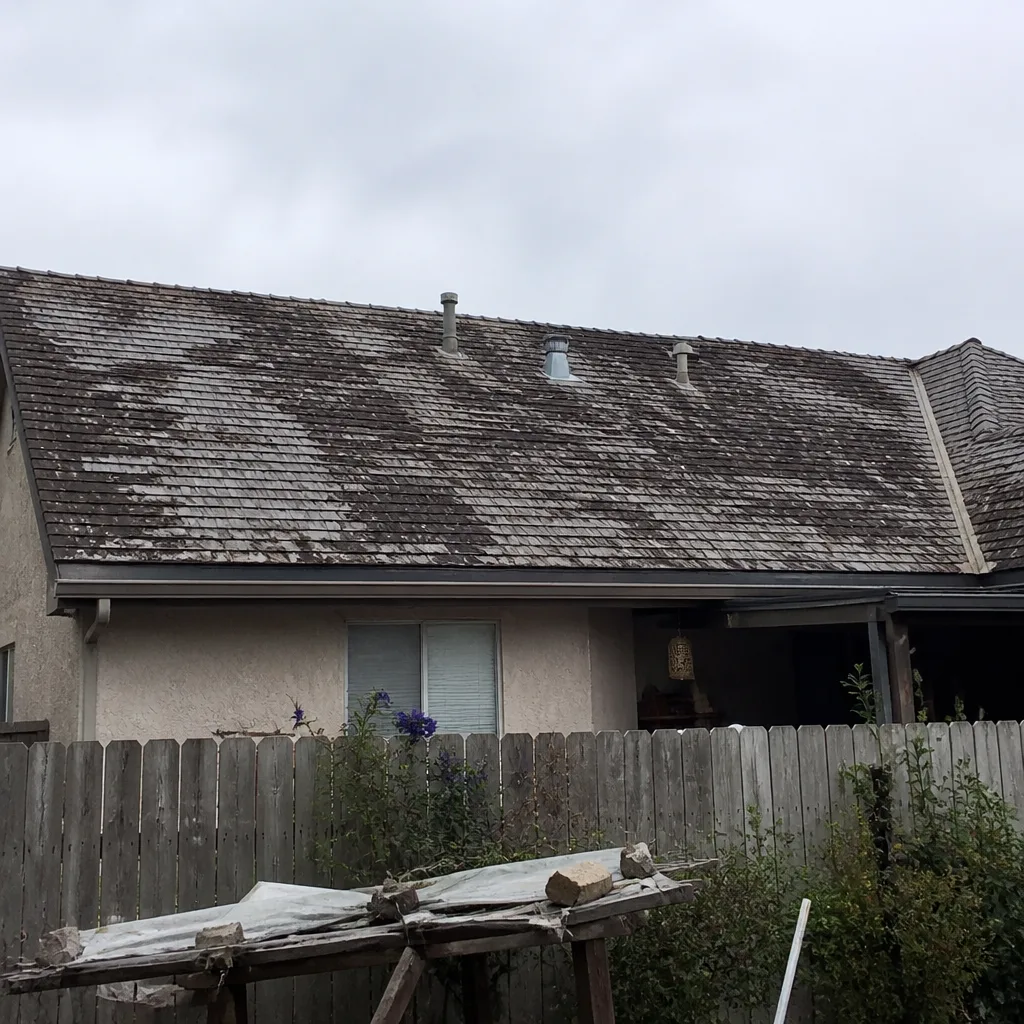 Before
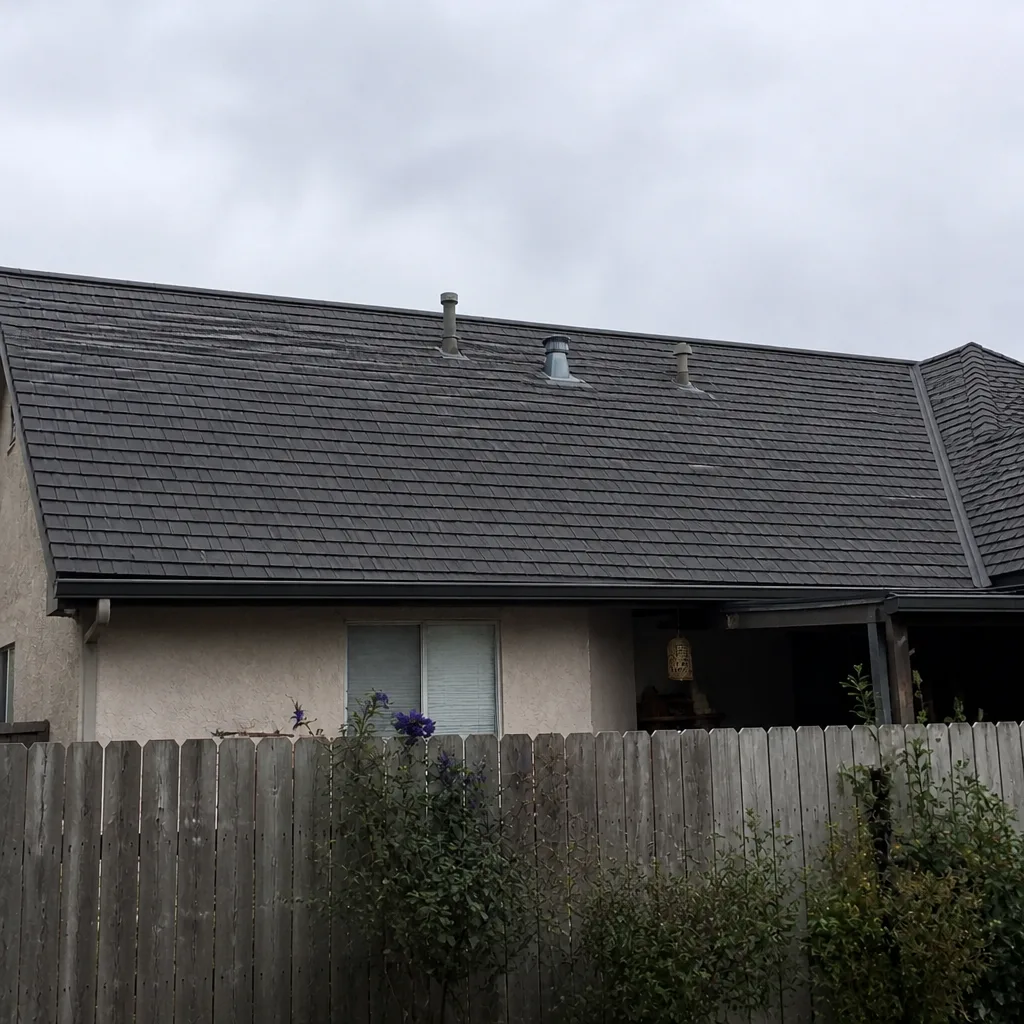 After
When to Call a Professional
Call a roofing specialist when the damage involves anything above a single story, when the roof is wet, when you can see sagging or daylight through the deck from inside the attic, when the leak persists after you have tarped, or when a door-knocking contractor has already shown up and you are not sure what they are offering. Call us when you are not sure whether a claim is warranted, because an inspection clarifies that before you file. And call before the next monsoon, not only after it, because a pre-event inspection is part of the plan, not the response. Wexford Roof Repair offers free estimates in Paradise. Call (833) 936-2087. We answer 24/7. Fast dispatch from 7am to 7pm, Sunday through Friday. Closed Saturday.
Frequently Asked Questions
Most Paradise storm repairs land in a wide range that depends on how much of the roof was hit, how many slopes are involved, and whether flashing or decking needs replacing. A written line-item estimate is the only honest way to price your specific roof, and the estimate is free. Call (833) 936-2087 for an exact quote, and the price is set by that written estimate, not by a conversation on the phone.
Call your insurance company first, then a roofing specialist. Opening the claim before any contractor estimate means the adjuster’s scope of loss becomes the benchmark, not a contractor’s number. Once the claim is open, schedule an inspection so you have a professional report to submit with your documentation. Call (833) 936-2087 to schedule an inspection. We answer 24/7.
Only from the ground or a stable ladder, only on a dry roof, and only if you can reach the damaged area without walking on a steep slope. Any roof above one story, any wet roof, or any roof where you cannot secure the ladder safely is a professional job. Call us and we will dispatch a technician from 7am to 7pm, Sunday through Friday. Outside those hours, we answer 24/7 and book you into the next opening.
A contingency contract commits you to using a specific contractor in exchange for their handling the damage, usually signed before your adjuster has seen the roof. Signing one on the porch after a storm gives up your ability to compare estimates and can hand the contractor control of your claim. If you have already signed one, contact the Nevada State Contractors Board and call your insurance adjuster to put it on the record. Then call (833) 936-2087 and have a licensed specialist walk the roof.
Most targeted repairs are completed in a single day once the scope is set and the materials are on hand. Larger repairs that involve flashing, decking, or multiple slopes take longer, and the written estimate will spell out the timeline. The faster the inspection happens, the sooner the repair can be scheduled. Call (833) 936-2087 to get the inspection on the calendar, and estimates are free.
Most cities require a permit for structural or full-roof work, while minor repairs vary. Ask your city’s building department before any work begins, and ask any contractor you hire whether the permit is included in the written scope. A specialist should not flinch at that question. Call (833) 936-2087 to talk through the scope of your repair, and the written estimate sets the final price.
The Bottom Line
The roofing emergency plan you build in January is the one that saves you in July. Protect the interior, document everything before you touch it, open the insurance claim before you sign any contractor estimate, and tarp only when it is safe from the ground or a stable ladder. Keep a pre-event file with roof age, last inspection date, ground-level photos, and a specialist’s number so a 10 PM storm does not turn into a 2 AM contract. Wexford Roof Repair handles inspection, repair, and replacement from start to finish. Free estimates, written line-item quotes, and a team that does one thing: roofs. Call (833) 936-2087.
For a full view of how we work, visit Wexford Roof Repair.
Written by the team at Wexford Roof Repair.