
Last updated November 15, 2026
 Metal roofing
 Architectural shingles
 Tile roofing
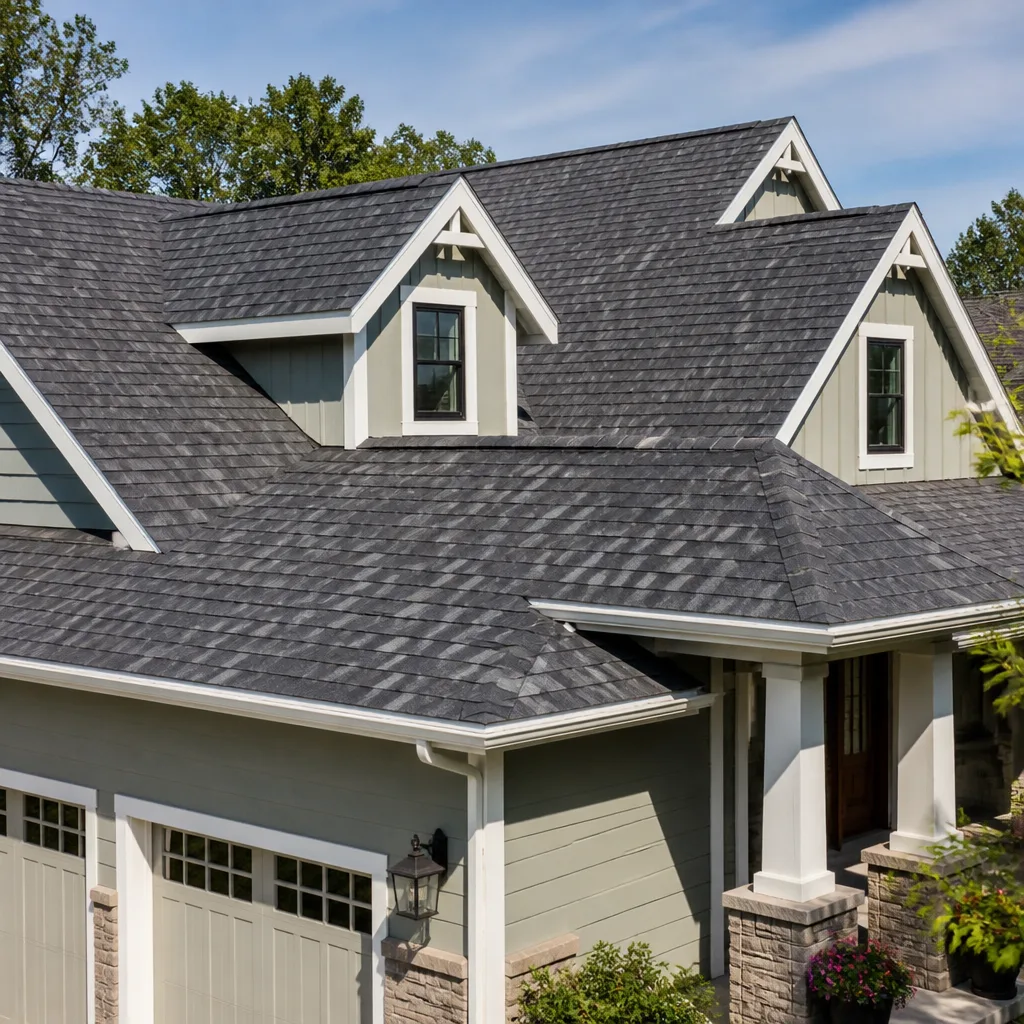 GAF
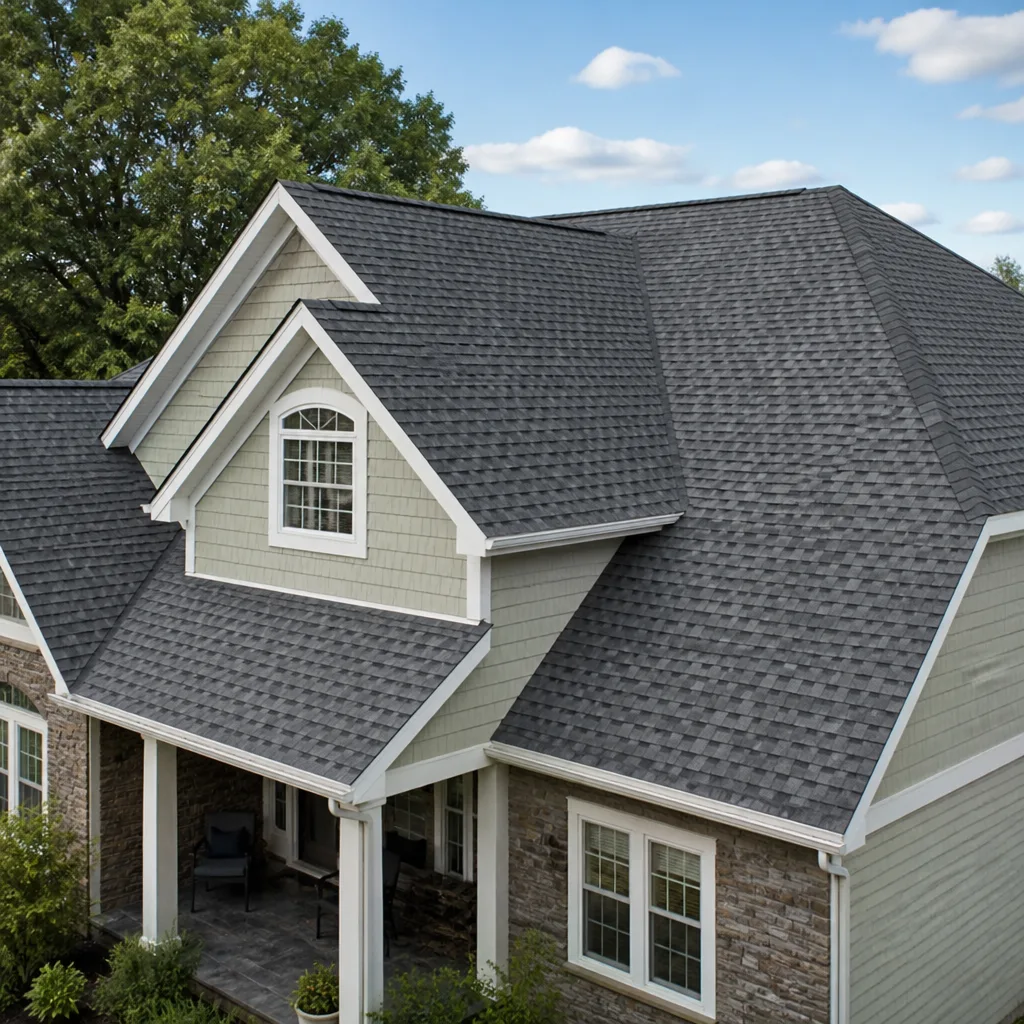 Owens Corning
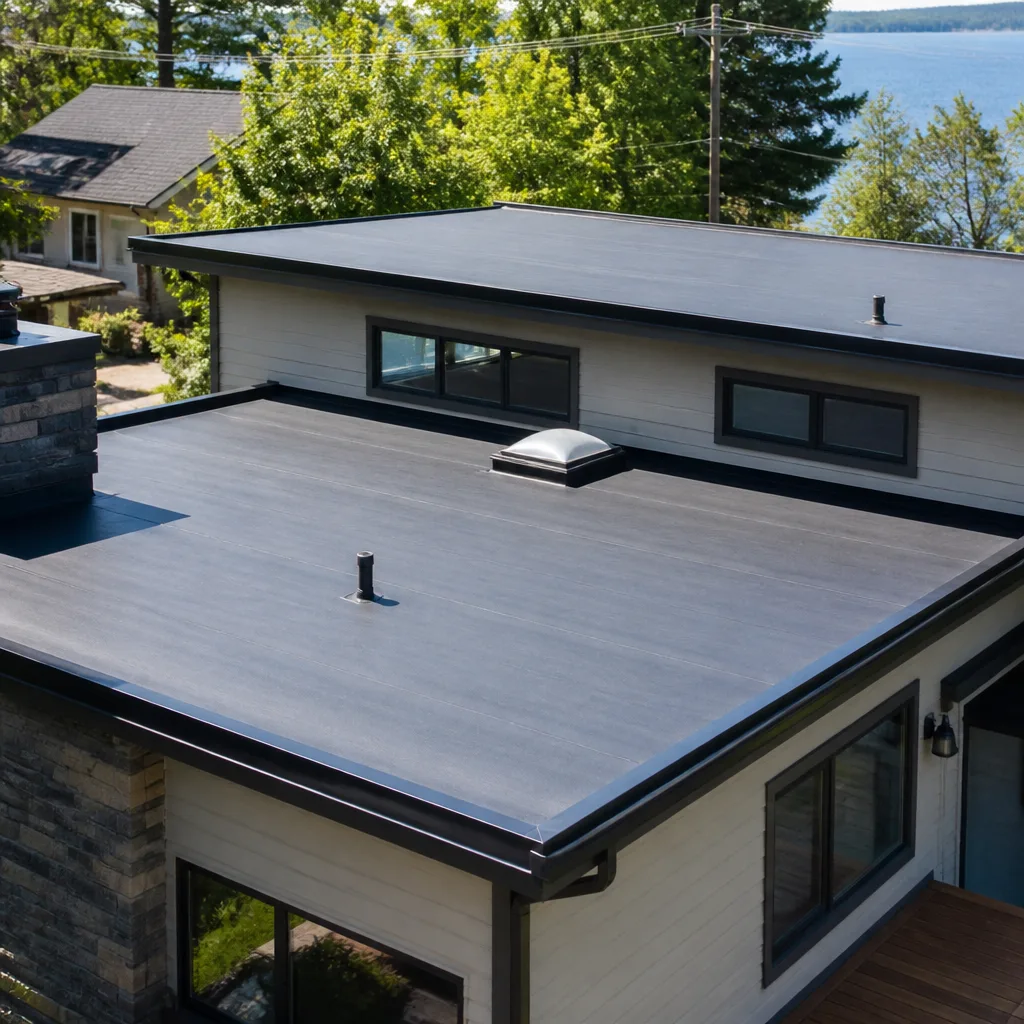 Flat & low-slope
Free roof inspection with deck photos before we talk money - GAF and Owens Corning certified installation
Roofing Permits, Codes & Inspections in Paradise, NV: What You Need to Know
Most homeowners assume the permit is the contractor’s problem. In Paradise, it becomes yours the moment work is finished without one. A reroof that skipped the county can follow the house into an insurance claim or a closing and surface at the worst possible time, not because of the damage itself but because of how the work was recorded. Here we cover the scope and square-footage questions homeowners actually ask, what a Clark County roofing inspection checks and misses, how fire-rating rules apply in dense Paradise neighborhoods, why an HOA nod is not a permit, and what happens to your title and your claim when unpermitted work is found.
Quick Answer
Clark County requires a permit for most roofing work beyond minor patch repair, and the line is set by scope and square footage rather than by whether the job “feels big.” Inspection normally comes after the roof is finished, focuses on the work covered by the permit, and does not test your attic, your insurance claim, or your HOA compliance. If you’re unsure whether your job crosses the threshold, the county building department is the authority, and a written scope from a roofing specialist makes the call straightforward.
Styles & brands we work with
- Architectural shingles
- Metal roofing
- Tile roofing
- GAF
- Owens Corning
- Flat & low-slope
Table of Contents
- When does roofing work need a permit in Paradise, NV?
- Repair vs. replacement: where the permit line actually falls
- Fire-rating rules and density in Paradise
- What a Clark County roofing inspection checks (and what it doesn’t)
- HOA architectural approval vs. county permit
- What unpermitted roofing does to your title and insurance
- The inspection process step by step
- Choosing a contractor who handles permits properly
When does roofing work need a permit in Paradise, NV?
In Paradise, roofing work generally needs a permit when it involves replacing the roof covering, installing new sheathing or underlayment across a meaningful area, or changing the structural roof assembly. Minor repairs to isolated damage usually fall outside permit territory, but “minor” is doing a lot of work in that sentence, so it’s worth understanding where the line sits before you accept a quote.
The practical test most homeowners need is scope plus square footage:
- Full tear-off and re-roof: permit required. Every square foot of new covering is a permitted job.
- Roof-over (new layer over old): permit required in almost every case, and some configurations aren’t allowed at all depending on the number of existing layers.
- Sectional replacement covering a large area: typically permit required even though the whole roof isn’t coming off.
- Small patching of isolated damage: often does not require a permit, but the scope has to stay genuinely small.
- Flashing repair around a vent or chimney: usually repair-territory unless the surrounding covering is replaced.
- Sheathing replacement: permit territory because it can affect the structural envelope.
Paradise housing runs the range from older single-family neighborhoods to large multifamily and condo complexes, and that mix matters. Condos and attached homes often sit on shared structures, and any change to a shared roof assembly gets reviewed more carefully than a single-home reroof. If your home is in a multifamily building, the permit conversation may also need to include the property manager and the association before work is scheduled.
The city building department is the authority on thresholds, and they change. Don’t rely on a forum post or a next-door recommendation. Ask the county directly, or have your contractor pull the permit and let the county confirm the scope. If your quote doesn’t mention permits at all, that silence is a question you should ask.
Repair vs. replacement: where the permit line actually falls
The single most useful distinction in Paradise is between roof repair and full replacement, because the two sit on opposite sides of the permit conversation more often than not. Repair fixes a problem inside the existing roof system. Replacement takes the roof system off and puts a new one on. The first is often permitted by exception; the second is permitted by rule.
Here’s how the two compare:
- Scope: Repairs address damage. Replacements address the entire covering and its layers.
- Permit status: Repairs may not require one if the scope is small. Replacements typically always do.
- Inspection: Repairs often aren’t inspected. Replacements normally get at least a final inspection.
- Records: A repaired roof typically has no new permit record. A permitted replacement creates a public one.
- Material options: Repairs match what’s already there. Replacements open the full material choice, from entry-level asphalt to premium products from manufacturers like GAF, CertainTeed, or Boral.
The middle ground is where homeowners get tripped up. A partial replacement that covers a large percentage of the roof is a replacement in the county’s eyes even though the owner experienced it as a repair. That distinction is exactly why a written scope matters. When a contractor describes the job, the scope should tell you which side of the line it sits on, and the permit record should match. If you get a quote for replacement but no permit, that’s a mismatch worth resolving before anyone climbs a ladder in Paradise.
If you’re not sure which side you’re on, a standalone inspection answers the question without committing you to work yet. We offer inspection as a service of its own for exactly this reason.
Fire-rating rules and density in Paradise
Nevada adopted the 2018 International Building Code, and with it, fire-rating expectations for roof coverings became more formal in dense areas. In practice, that means the roof covering class is not purely a style or budget decision in parts of Paradise where homes sit close together, where multifamily buildings share a structure, or where a property is close to a neighboring roofline. Class requirements can shape which products you can legally install.
Why this matters for a homeowner and not just a designer:
- Two products that look similar on a brochure can carry different fire ratings.
- A product that would be fine on a detached home with generous setbacks may not clear the requirement on a tightly packed block.
- Multifamily and commercial-density buildings face stricter expectations because fire can travel roofline to roofline.
- The permitted scope defines which rating has to be met, which is another reason to let the county review the job.
Density plays a bigger role in Paradise than many homeowners realize. The city isn’t a grid of widely spaced houses; there are stretches of attached homes, smaller lots, and larger complexes where two roofs share a boundary. In that terrain, the product you choose has to satisfy the fire requirement the permit calls for, not the one that sounds nicest in a showroom.
This is where our material range earns its keep. Working with products from multiple leading manufacturers, including GAF, CertainTeed, Owens Corning, and Boral, gives us room to match a fire rating and a budget at the same time. If one line can’t meet the requirement on your Paradise property, the answer isn’t “you’re out of luck.” It’s the same roof shape in a product that can.
What a Clark County roofing inspection checks (and what it doesn’t)
A Clark County roofing inspection verifies that the work described on the permit was done to code. It is a specific, narrow check, not a home inspection and not an insurance assessment. Understanding the boundary tells you what protection a permit truly offers – and where you still need your own eyes on the roof.
What it typically checks:
- That the work matches the permitted scope.
- That the covering material meets the fire rating required for the location.
- That the installation satisfies the code requirements for the assembly, including underlayment and flashing where visible.
- That sheathing and fastening meet the code referenced in the permit.
- That the roof drains and terminates in an acceptable way for the building type.
What it does not check:
- Whether the rest of your roof is aging, damaged, or nearing the end of its life.
- Whether an insurance claim will be approved.
- Whether your HOA architectural rules were followed.
- Whether the finished appearance is attractive.
- Whether a previous reroof was permitted or done correctly.
That last gap is the one that bites. An inspection that passes today doesn’t retroactively bless earlier work. If a prior owner installed a roof without a permit, that history is invisible at the final inspection of the current job until someone goes looking. The protection permits provide is real, but it’s specific to the scope on the page. For broader confidence, homeowners benefit from a proper roof inspection that looks at the whole assembly, not just the permitted slice. If you want to know your roof’s real condition before you decide, an inspection is a practical first step in Paradise.
HOA architectural approval vs. county permit
Both exist, both matter, and neither replaces the other. A county permit is about building code and safety. An HOA architectural approval is about appearance and community standards. In Paradise, where many neighborhoods are governed by associations, a homeowner can need both and sometimes assume one covers the other. It doesn’t.
Here’s the practical difference:
- Authority: The county enforces code. The HOA enforces its own rules.
- What it covers: The county cares about the roof as a structure. The HOA cares about color, material type, and visible profile.
- What happens without it: Missing a permit can void insurance or complicate a sale. Missing HOA approval can trigger fines, forced redo, or both.
- Timing: HOA approval is usually requested before work starts, sometimes before the contractor is chosen. The permit is usually pulled as part of the job.
A common Paradise situation involves a homeowner who selects a premium product from a line like CertainTeed or Owens Corning and then finds the HOA wants a specific tone and profile. The product is fine; the approval wasn’t in place. That’s a stall, not a failure, but it’s avoidable. Ask your contractor for the specifications early and bring them to the association before the job is scheduled.
A roofing specialist who works in Paradise regularly knows both conversations are part of getting the roof done correctly. We see the HOA and permit requirements as parts of the same process, not as two unrelated tasks that can drift apart.
What unpermitted roofing does to your title and insurance
Unpermitted roofing is a paperwork problem that becomes a real problem at the exact moments you can least afford it: when you file a claim, or when you sell the house. Neither is a disaster in every case, but both can turn a routine process into a delay with a financial consequence.
On the insurance side: After a claim, an adjuster or inspector may look for evidence of prior work. If the previous reroof wasn’t permitted, the carrier can treat that as a material fact you didn’t disclose, or as a code violation discovered during the claim inspection. In the worst case, the claim gets denied or reduced and the homeowner is left with the full cost of repairs plus the need to correct prior work. This isn’t theoretical; it’s the reason a permit record matters even if your own new work is flawless.
On the title side: During a sale, a title search doesn’t automatically surface unpermitted roofing. But a buyer’s inspector or appraiser can, and once it’s flagged, the deal can stall pending a permit or correction. Realistically, an unpermitted reroof might mean:
- A disclosure against the seller during negotiations.
- A price reduction, or the seller absorbing the correction cost.
- A buyer demanding a permitted scope or a credit before closing.
- A scramble to retroactively permit work that may or may not be eligible for a permit after the fact.
None of this shows up when the roof is fresh. It shows up five, ten, fifteen years later. That’s why the permit isn’t really about the county – it’s about the paperwork trail that follows the house. If a Paradise homeowner is planning a sale in the next few years, the roof record is worth checking before the listing goes live.
The inspection process step by step
If your job needs a permit, here’s how the process usually unfolds in Paradise. The county sets the actual requirements and its schedule is the one that controls, so use this as a map rather than a promise of exact timing.
- Scope is defined in writing. Before a permit is applied for, the scope needs to be specific: what’s being removed, what’s going on, and which area of the roof is covered.
- The permit is applied for and issued. The application generally includes material specifications, including the fire rating where the location requires it.
- Required pre-work items are verified. Depending on the scope, some steps (like sheathing replacement or partial layers) may require a mid-project inspection before covering.
- Work is completed to the permitted scope. Deviations from the scope aren’t allowed without updating the permit.
- A final inspection is requested. The inspector reviews the finished work against the permit.
- The permit is closed. Once it passes, the permit record becomes a public document attached to the address.
Where homeowners get frustrated is in the waiting. The county is working through its own queue, and the timeline isn’t set by the contractor. Realistic expectations make the process easier: your installation gets scheduled around the inspection requirements, not against them. A contractor who has done many Paradise jobs will tell you the plan up front rather than treating county scheduling as a surprise.
The straightforward way to keep it all aligned is to let the roofing specialist manage the permit as part of the job, so the scope that goes to the county matches the scope on your written estimate. When those drift apart, that’s when problems happen.
Choosing a contractor who handles permits properly
The contractor conversation should include permits early – not as a detail after the contract is signed, but as part of the estimate. A roofer who treats permits as an afterthought will eventually produce a job that isn’t recorded properly, and that record follows you. A few things worth asking before you commit:
- Will the permit be pulled in the company’s name or yours? Both can be done; the answer should match the scope.
- What fire rating applies to your address, and which products meet it? A confident answer means the contractor is working from code knowledge, not guesswork.
- Who schedules the inspection? It should be routine, not something you have to chase.
- Do you work regularly in Paradise associations? HOA familiarity avoids a stall in the approval chain.
- What’s the written scope? The scope that goes to the county should match the scope on your estimate.
We do one thing: roofs. Repair, replacement, and inspection, start to finish, which means the permit conversation is part of our normal workflow, not a side job we hand off. Our technicians have up to 12 years of experience, and the material range we install – from GAF through CertainTeed, Owens Corning, and Boral among others – gives more than one way to meet the code on your address without blowing the budget. If your roof has a permit question attached, we’ll give you a straight read on the scope and what the county will want to see.
Common Mistakes to Avoid
- Assuming repair never needs a permit. Large sectional replacements usually need one even when the homeowner experiences them as repairs. Scope decides, not the label.
- Assuming replacement always gets a permit pulled automatically. It doesn’t; it gets pulled when someone pulls it. Confirm it’s part of your estimate in writing.
- Treating an HOA nod as a substitute for the permit. They cover different things and don’t replace each other. In Paradise associations, missing either one causes a problem.
- Choosing a product before checking the fire rating. In dense neighborhoods, a product that looks right on the brochure can fail the requirement. Confirm the rating against the permitted scope.
- Believing a final inspection checks the whole roof. It checks the permitted scope. A passing inspection doesn’t tell you the rest of the roof is in good condition, so get a full inspection if the age or history is a question.
- Selling a house without checking the roof record. An unpermitted prior reroof can surface during a buyer’s inspection or a seller’s disclosure. The earlier you know, the more options you have.
- Ignoring a previous unpermitted reroof. If your claim gets complicated for reasons that trace back to earlier work, the carrier will find it. Have a specialist inspect and document the roof before issues compound.
See the difference
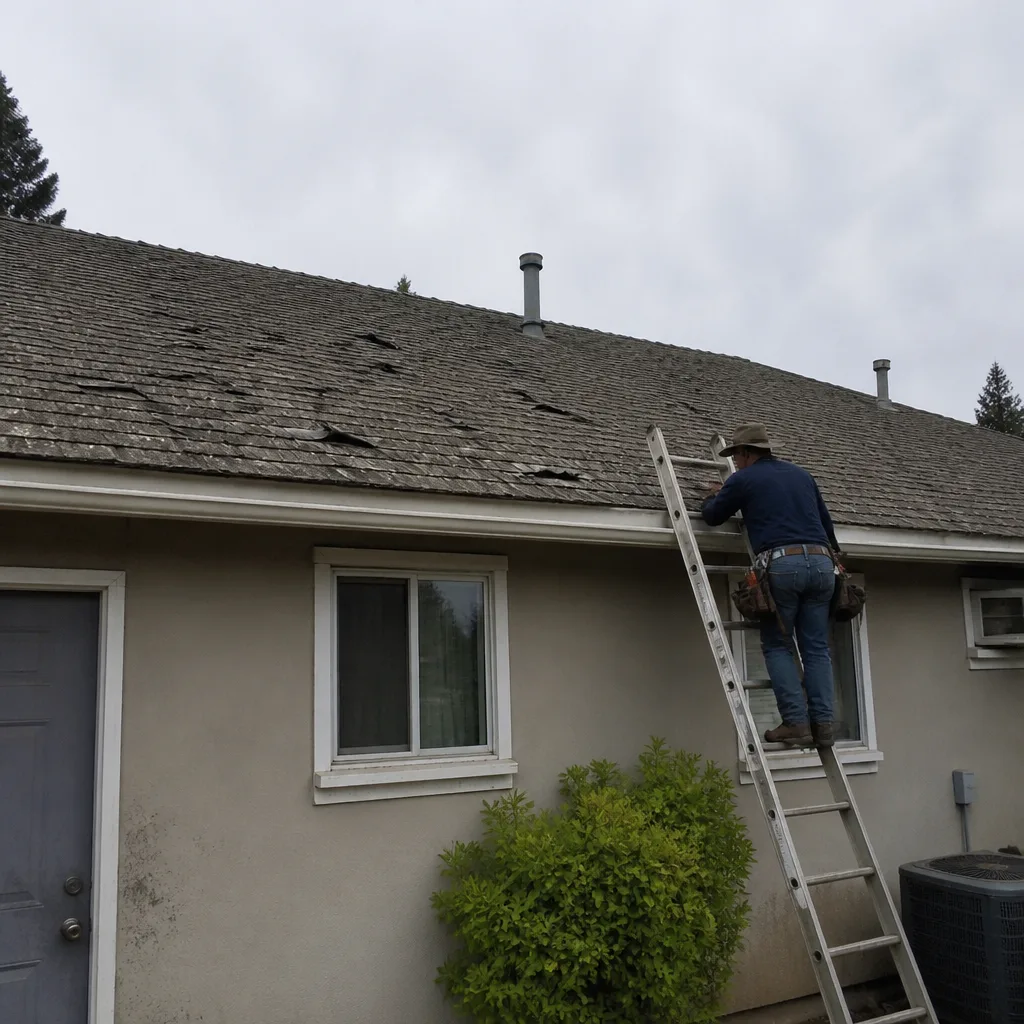 Before
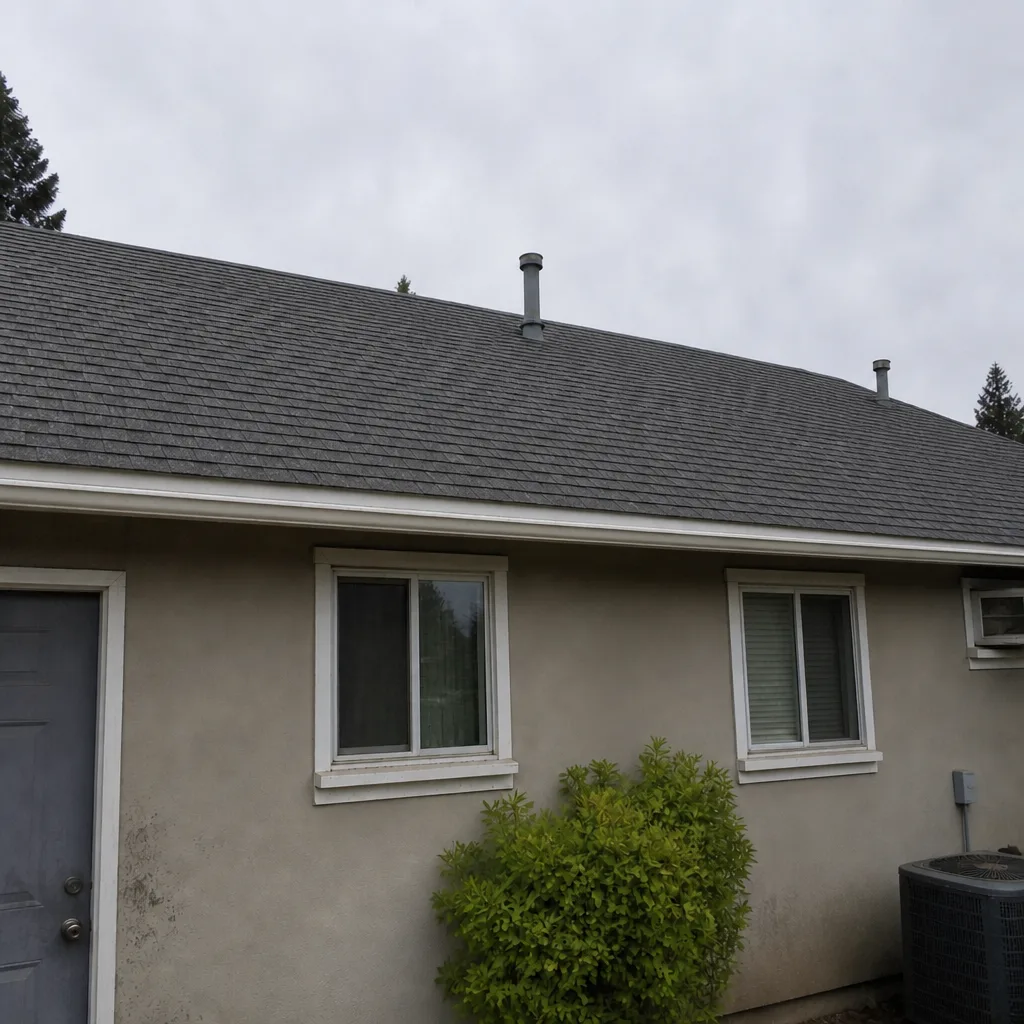 After
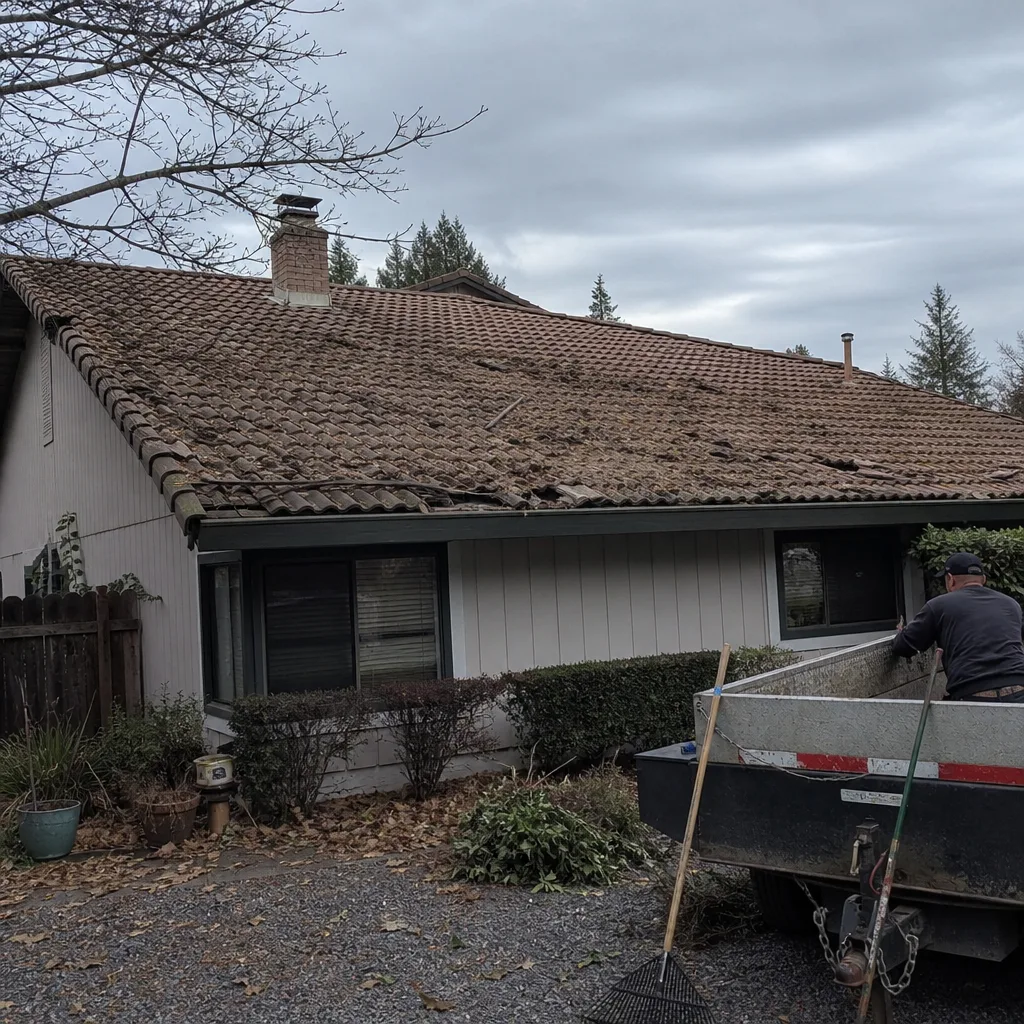 Before
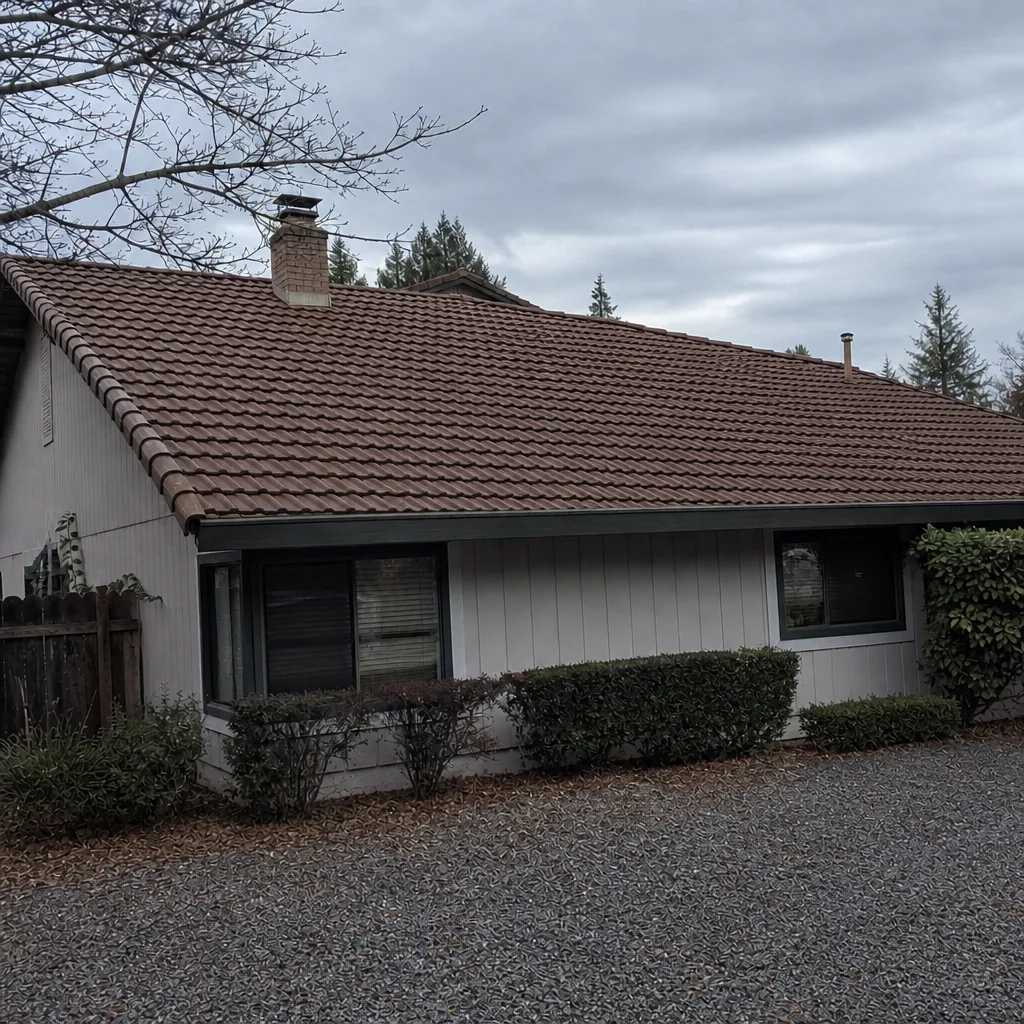 After
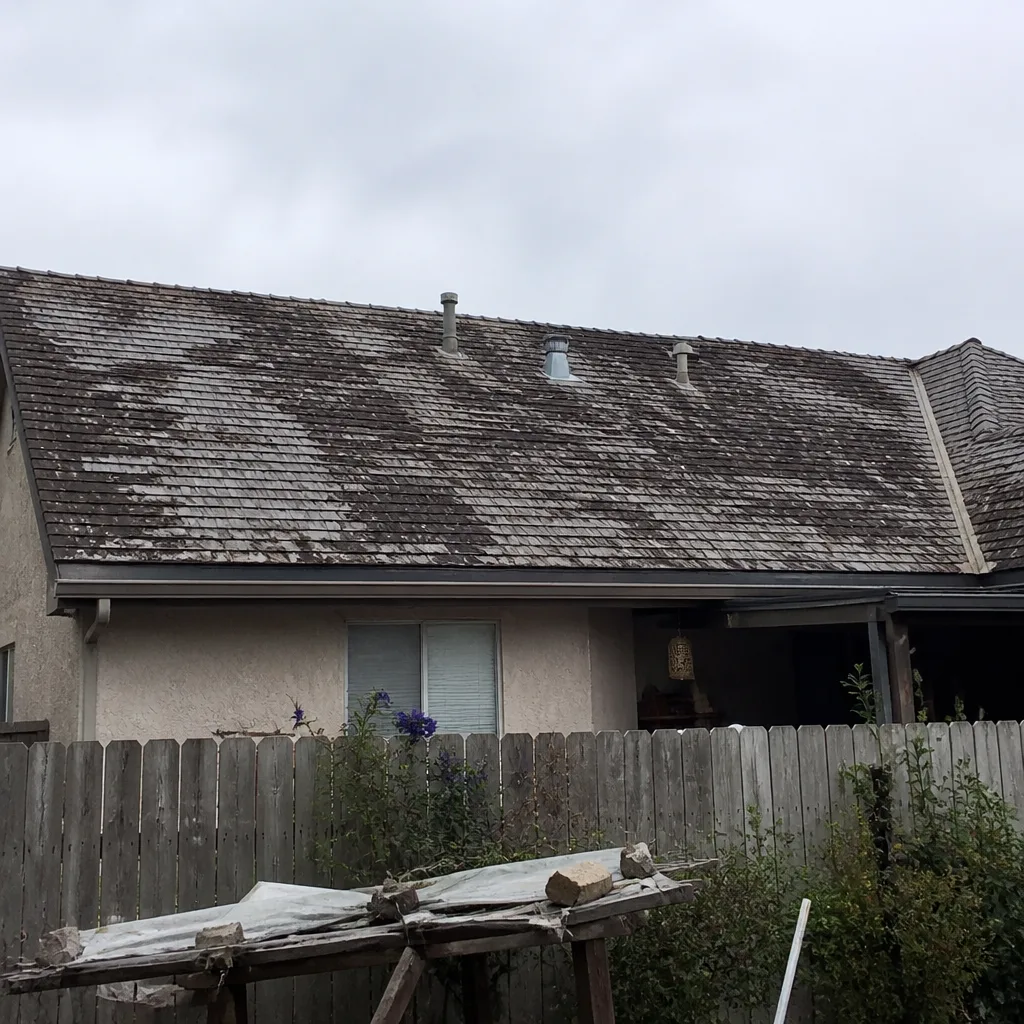 Before
 After
When to Call a Professional
If you’ve noticed a leak that keeps recurring from the same spot, storm damage that looks like it’s reached the sheathing, or shingles that are visibly failing across a wide area, that’s a scope question as much as a repair question, and the permit conversation is already open. Same thing if you’re planning to sell within a couple of years and the roof’s history is uncertain – an inspection now is cheaper than a discovery during escrow.
In Paradise, we also get calls when an HOA is asking for specifications the homeowner doesn’t have, or when an insurance claim is being reviewed and the carrier wants to see the roof record. In those cases, the first step is a real inspection, not a sales pitch. Wexford Roof Repair offers free estimates in Paradise – call (833) 936-2087. We answer 24/7. Fast dispatch from 7am to 7pm, Sunday through Friday.
Frequently Asked Questions
It depends on the scope, not the label. Small isolated patching usually doesn’t require a permit, while sectional replacement covering a large area, sheathing replacement, and any full reroof generally do. Clark County is the authority on the threshold, so confirm the scope with the county before work starts. Call (833) 936-2087 if you want a written scope to take to that conversation – estimates are free.
It can, and that’s the biggest risk homeowners underestimate. If a claim inspection turns up unpermitted prior work or code violations, the carrier may deny or reduce the claim even when the current damage is genuine. This is why a permit record matters beyond the county – it’s a trail the carrier can follow. Call (833) 936-2087 to have the roof inspected and documented before you file.
Yes, within the scope of the permit. The county inspects the permitted work at the final stage (sometimes mid-project depending on the assembly) to confirm it matches the permit and the code. It does not inspect the rest of the roof, so a passing inspection is not a roof inspection. For a full picture, book an inspection that covers the whole assembly.
Often yes. The county permit is about code and safety; HOA architectural approval is about appearance and community rules. They don’t substitute for each other, and skipping either one creates problems. In Paradise, the two conversations should be run in parallel, with specifications ready before work is scheduled. Call (833) 936-2087 for a written specification you can take to your association.
Yes, in many Paradise locations. Nevada’s adoption of the 2018 IBC formalized fire-rating expectations for roofing in denser areas, including tightly packed residential neighborhoods and multifamily buildings. Two products that look similar may carry different ratings. A specialist can match a product to the requirement without pushing you into the premium option. Call (833) 936-2087 to compare options – estimates are free.
It can stall the deal. A buyer’s inspector can flag it, and the seller may be asked to disclose, credit the buyer, or correct the work before closing. Retroactive permitting isn’t automatic, and how it’s handled depends on the scope. Getting ahead of it with a documented inspection is the safer path. Call (833) 936-2087 before the listing goes live rather than after.
The Bottom Line
Permits for roofing in Paradise are less about the county and more about the trail of paperwork that follows the house through insurance and title. The threshold is scope and square footage, not “repair” versus “replacement,” and the fire rating on your product has to match what the permitted scope calls for. An HOA approval and a county permit are two separate things, and both are part of a well-run job. The roof is the one part of your house that gets inspected by an adjuster and a buyer’s inspector, often years after it was installed. Get the paperwork right and the questions never come. We’re here for the inspection, the repair, or the full replacement when you need one.
For a straight read on your roof and what the county will want to see, call Wexford Roof Repair at (833) 936-2087 for a free estimate. We answer 24/7. Fast dispatch from 7am to 7pm, Sunday through Friday. More on our roof replacement work and our Paradise service area is available if you want to go deeper before you call.
Written by the team at Wexford Roof Repair.