
Last updated November 15, 2026
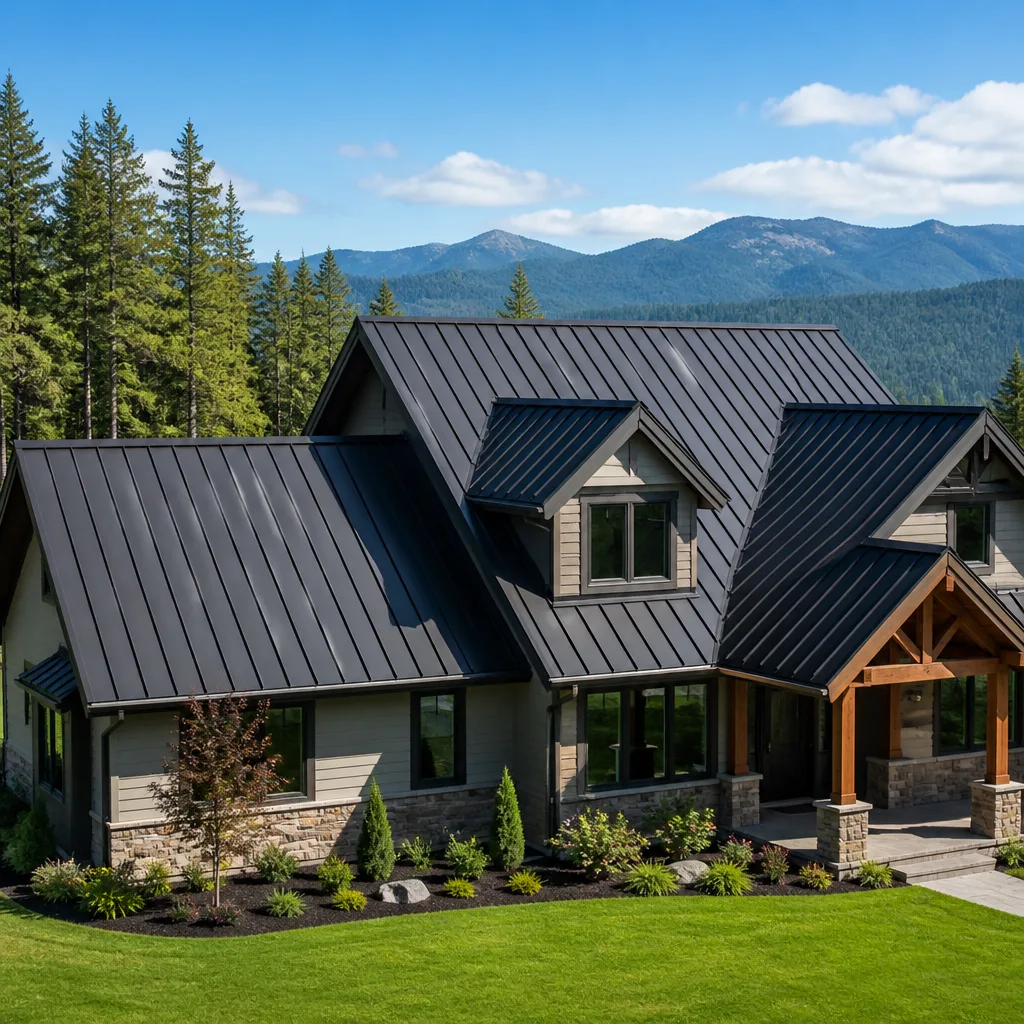 Metal roofing
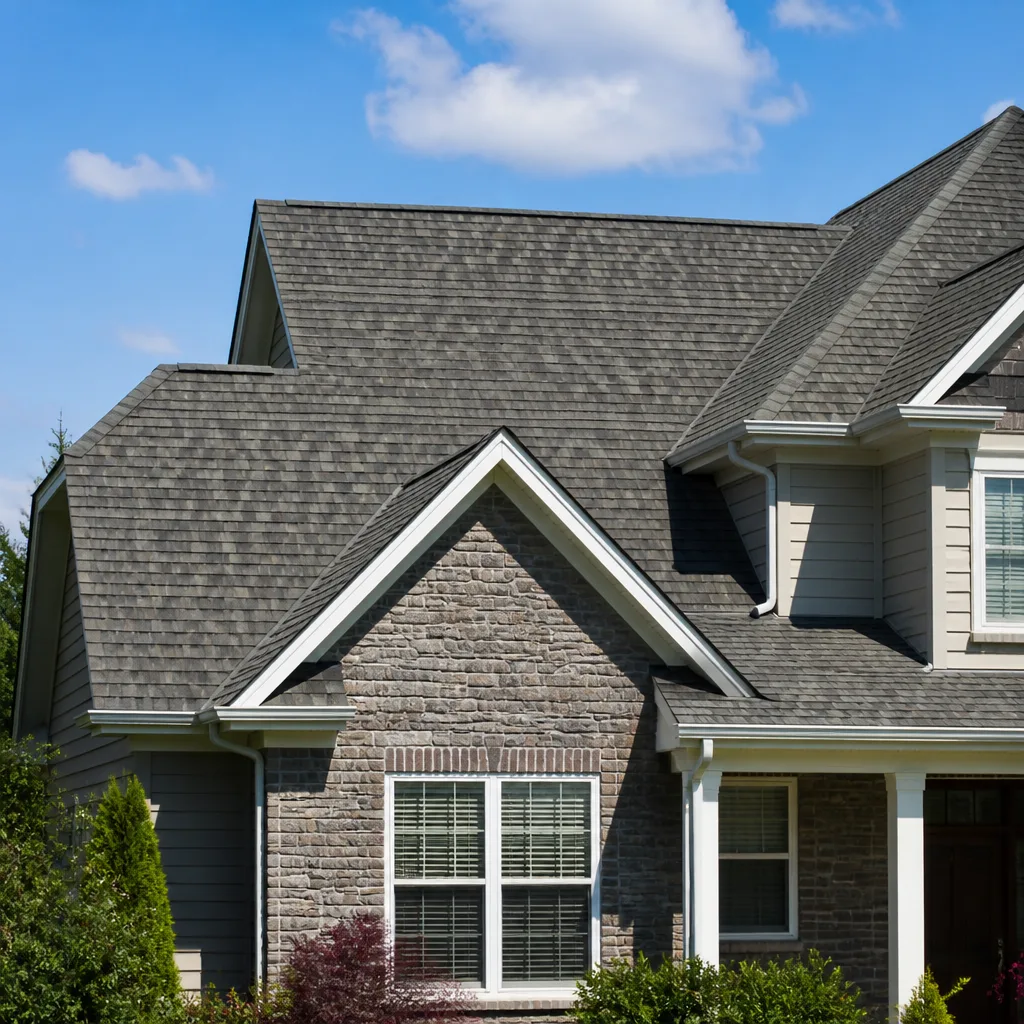 Architectural shingles
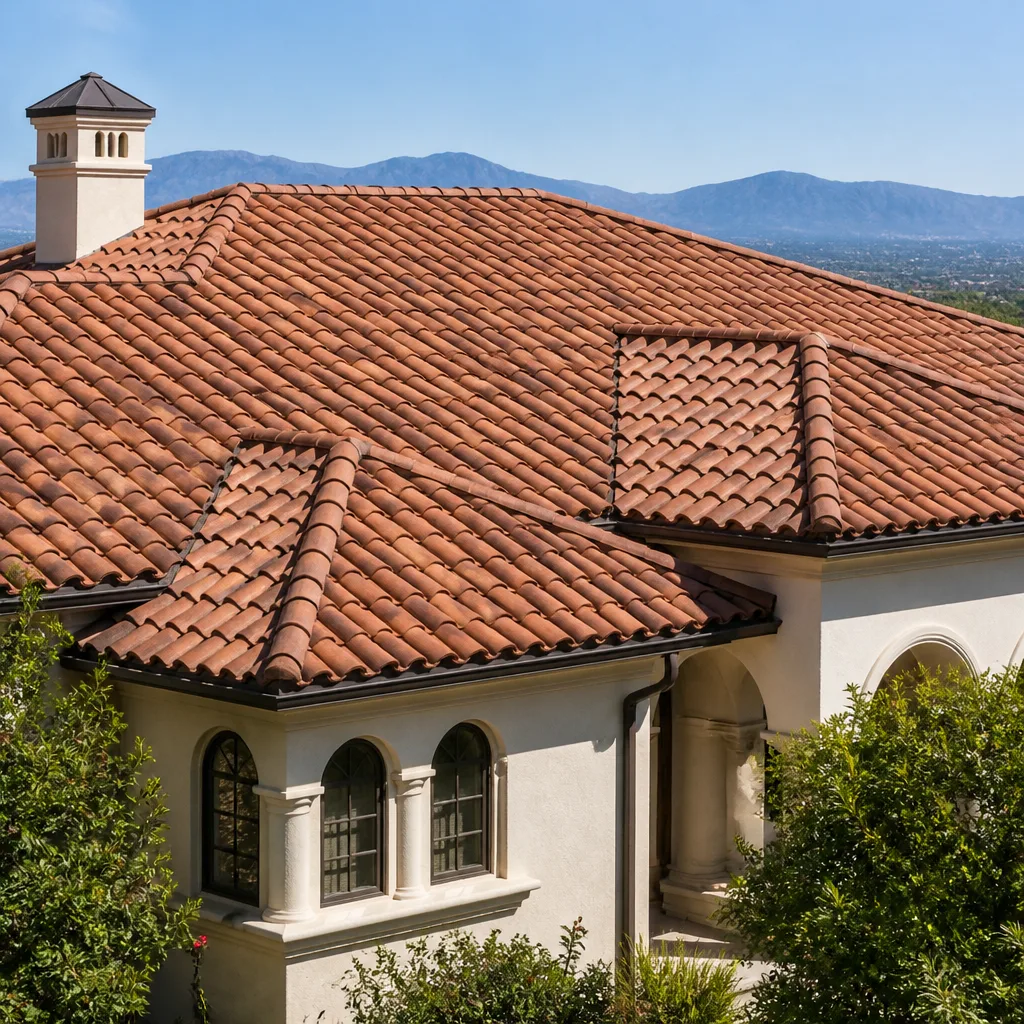 Tile roofing
 GAF
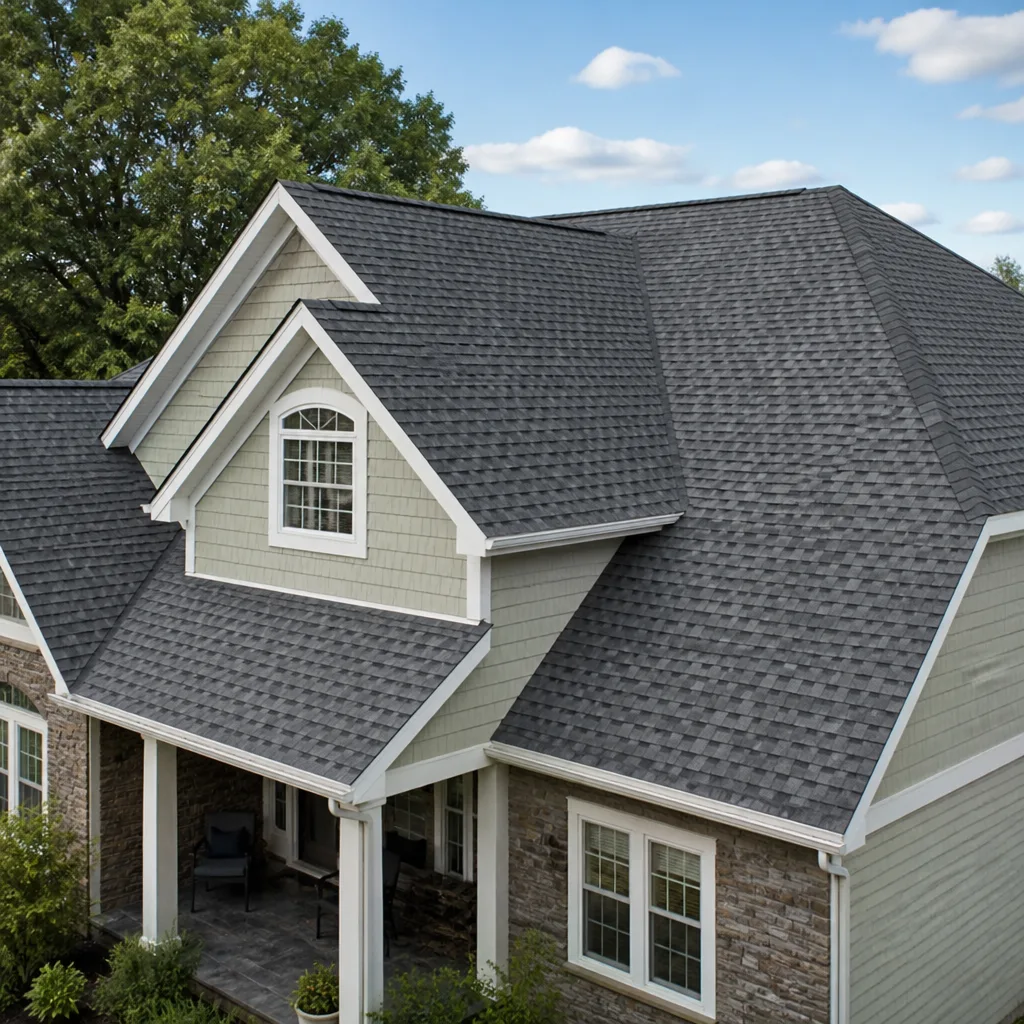 Owens Corning
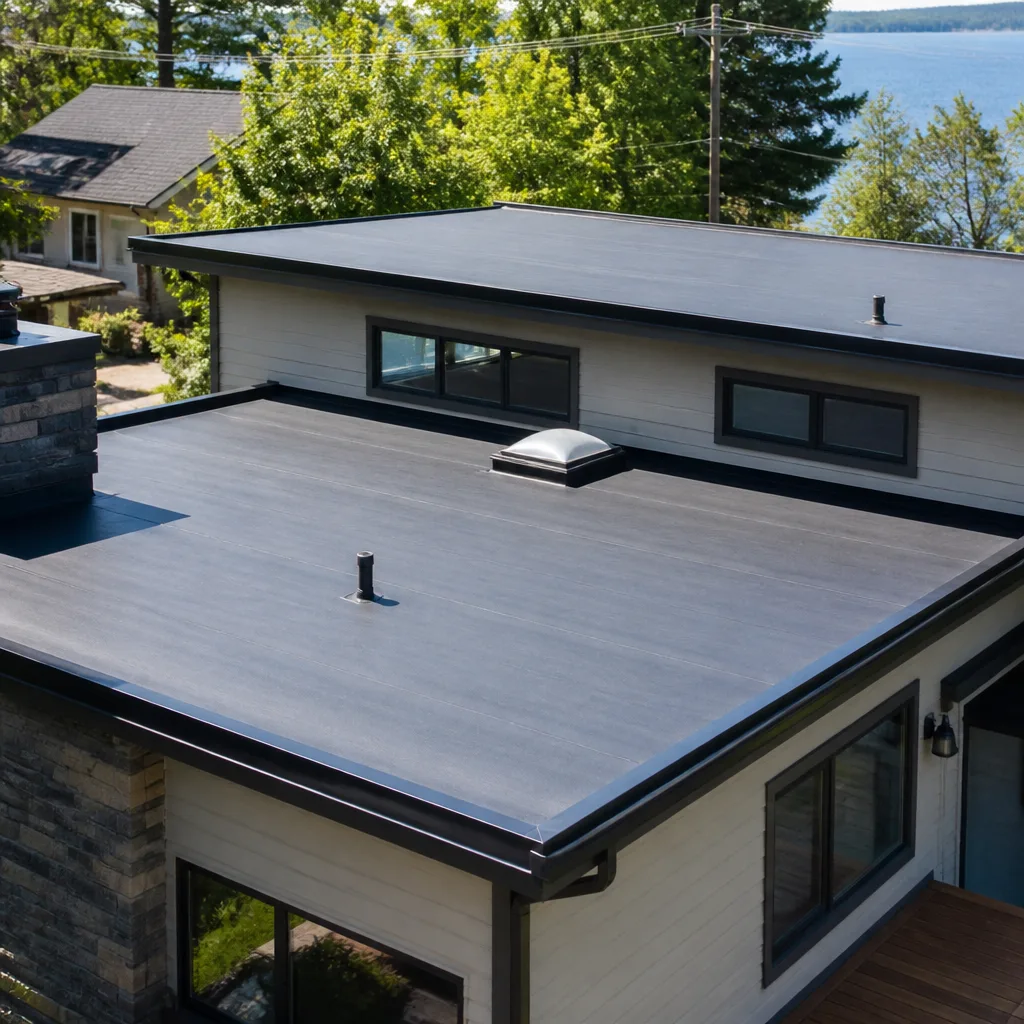 Flat & low-slope
Free roof inspection with deck photos before we talk money - GAF and Owens Corning certified installation
DIY vs Professional Roofing: The Paradise Homeowner’s Decision Guide
Most homeowners asking whether they can reroof a house themselves are thinking about skill. Can I swing a hammer, run a nail gun, get the shingles straight? That’s the wrong first question in Paradise. The harder question is what the work costs you legally and financially even when you do it well. A roof surface here can reach 170°F in summer, Clark County has its own permit process, and the shingle warranty you just paid for may not survive an unpermitted, unlicensed install. This guide walks through what you can legally do yourself, what will void a manufacturer warranty, the heat risk nobody talks about, and the break-even math that decides most Paradise roofing projects before anyone picks up a hammer.
Quick Answer
For most Paradise homeowners, DIY roofing makes sense only for maintenance tasks like gutter cleaning, minor caulk touch-ups, and debris removal. Anything that touches the roof deck, underlayment, flashing, or shingles is a job for a licensed roofing professional, because Clark County permits, manufacturer warranty terms, and summer surface temperatures on a Paradise roof all work against the DIY approach. The rest of this guide explains exactly where that line sits and how to run the numbers.
Styles & brands we work with
- Architectural shingles
- Metal roofing
- Tile roofing
- GAF
- Owens Corning
- Flat & low-slope
Table of Contents
- What Nevada Law Actually Lets You Do on Your Own Roof
- How DIY Roofing Voids Most Manufacturer Warranties
- The Three DIY Roofing Tasks That Make Sense in Paradise
- The Jobs That Look Simple and Aren’t
- Heat Safety on a Paradise Roof in June Through August
- Permits and Inspections: What DIY Really Requires
- The Break-Even Math: When Paying a Pro Costs Less
- Common Mistakes to Avoid
- When to Call a Professional
- Frequently Asked Questions
What Nevada Law Actually Lets You Do on Your Own Roof
Nevada contractor law generally allows a homeowner to perform work on their own primary residence without holding a contractor’s license. That carve-out exists so you can maintain your own property, not so you can act as your own roofing company. The line matters because the same rules that protect you on small maintenance tasks stop applying the moment the work is structural.
Here’s how the practical split usually falls out in Paradise:
- Clearly allowed for a homeowner: cleaning gutters, sealing a small gap around a vent boot, sweeping debris off the roof after a wind event, replacing a damaged piece of trim.
- Allowed on paper but risky in practice: replacing a few shingles on a small patch, if the work is cosmetic and doesn’t disturb the underlayment or flashing.
- Not a homeowner task in any real sense: full reroofs, roof deck repairs, replacement of underlayment, flashing rebuilds, or anything requiring a building permit and inspection. Those are considered contractor work, and the homeowner exemption does not carry the same liability protection a licensed roofer does.
For a deeper look at what a licensed roofer actually handles on a typical Paradise job, roof repair covers the repair side of the work in detail. The important takeaway here: the homeowner exemption is real, but it’s narrow. If your project involves pulling shingles or opening the roof system, talk to a professional first.
How DIY Roofing Voids Most Manufacturer Warranties
This is the part most homeowners discover too late. The shingle warranty you paid for, sometimes a fifty-year material warranty on premium CertainTeed or Owens Corning lines, almost always includes installation conditions. Those conditions typically require a licensed contractor to install the product to manufacturer specifications. Do the work yourself, and the warranty side of that investment can be null and void from day one.
What that means in practice:
- Material warranty: Even if you install perfect GAF or Atlas shingles, an unlicensed installation may void the manufacturer’s coverage on the product itself.
- Workmanship coverage: Many manufacturers offer enhanced warranties that are only available through certified installers. DIY has no workmanship coverage at all.
- Cost over the roof’s life: A shingle roof in Paradise lasts years. If a covered defect shows up at year eight or year twelve and the warranty has been voided by unlicensed install, you’re paying for the replacement out of pocket when a warranty would have covered it.
The math is unforgiving. Saving a few thousand dollars on a DIY install, then absorbing a full replacement later when the warranty won’t respond, usually puts the homeowner in a worse position than paying for a licensed install from the start. A roofer working with multiple manufacturers, including brands like IKO and Tamko, can walk you through which product lines carry the strongest warranty tier for your budget and roof type. That’s the kind of honest answer an inspection delivers before you commit, and it’s the reason we treat Wexford Roof Repair inspections as a standalone service rather than a sales visit.
The Three DIY Roofing Tasks That Make Sense in Paradise
Not every roof task is a professional job. There are three maintenance tasks in Paradise that homeowners can reasonably do themselves, provided they follow proper safety precautions and stay off the roof during the hottest part of the day.
- Gutter cleaning. Removing leaves, dirt, and debris from gutters prevents water from backing up under the roof edge. Do it early morning, wear gloves, and use a stable ladder on solid ground. Never lean a ladder against a gutter you haven’t tested for stability first.
- Minor caulk touch-ups. Small cracks in sealant around vents, flashing edges, and skylights can be resealed with exterior-grade roofing caulk. This is a stopgap measure, not a repair. If you’re resealing the same spot every year, the underlying issue is bigger than caulk can address.
- Debris removal after a wind event. After a storm blows branches or palm fronds onto your roof, clearing the surface prevents moisture from pooling and reduces the chance of scraping damage to the shingles. Do it from the ground with a soft-bristled roof rake if you can, and never walk on the roof immediately after rain.
What makes these safe is that they don’t open the roof system. You’re not disturbing shingles, underlayment, flashing, or the deck. Once a DIY task requires you to remove, replace, or rebuild any part of the roof envelope, you’ve crossed into work that a roofer should handle.
The Jobs That Look Simple and Aren’t
Some roofing jobs have a low barrier to entry and a very high cost of getting them wrong. In our experience, these are the four that homeowners most often start and then regret:
- Patching a leak. The visible leak is rarely where water enters. Water travels along the deck and underlayment before it shows up inside the house. Patching the wrong spot leaves the actual breach open and gives the appearance of a repair.
- Pulling and replacing shingles. Getting a shingle off without tearing the underlayment is harder than it looks, especially on an older Paradise roof where the adhesive has baked on. Replacing a shingle with the correct overlap and nail pattern is a skill that takes years.
- Flashing around a vent, chimney, or skylight. Flashing is the number one leak source on any roof. Rebuilding flashing correctly requires knowledge of the assembly, not just a tube of sealant and a strip of metal.
- Walking the roof for an inspection. Inspecting your own roof means walking it. In Paradise that means heat exposure, steep pitches on some two-story homes, and the temptation to skip areas you can’t comfortably reach. The result is an incomplete picture that gives false confidence.
These jobs look simple because the tools are familiar. But the process is not. That’s also why a standalone roof inspection exists as its own service. When you’re not sure what’s wrong, professional eyes on the roof tell you what’s actually going on, not just what the easiest visible fix would be. Roof replacement is the other end of that spectrum: when a roof is past its service life, the question stops being “can I patch this” and becomes “what’s the right product for my home, my budget, and my climate.”
Heat Safety on a Paradise Roof in June Through August
Paradise summers are unforgiving on a roof. Surface temperatures on a dark shingle roof can reach 170°F in direct sun. That’s not a skill problem, it’s a medical one. Heat illness on a roof escalates fast, from disorientation to collapse, and by the time someone on a roof feels unwell, the walk to the ladder is already harder than it should be.
The risks that make DIY roofing in a Paradise summer a genuine safety concern:
- Contact burns. Exposed skin touching 170°F shingles can burn within seconds. Professional crews wear long sleeves and gloves precisely to reduce direct contact.
- Heat exhaustion and heat stroke. Physical exertion on a hot surface with no professional hydration plan or rotation schedule raises the risk substantially.
- Balance and dizziness. Dehydration and heat exposure affect coordination before a person realizes it. On a pitched roof, that’s a fall risk with serious consequences.
- Falls from a ladder or roof edge. Fatigue plus heat plus a two-story roofline is a combination that professionals manage out of the job. There’s no equivalent safety net for a homeowner working alone.
Even in the cooler months, roof work carries fall risk. If you’re determined to handle minor tasks yourself, do them early in the morning, never alone, and never when the roof surface is hot to the touch. For anything larger, the safety argument alone is enough to call a professional. Wexford Roof Repair technicians bring the right equipment and experience to manage both heat and height on a Paradise roof, and our technicians have up to 12 years of experience.
Permits and Inspections: What DIY Really Requires
A full reroof in Paradise requires a building permit from Clark County. That part isn’t optional, and it’s not discretionary. What confuses a lot of homeowners is that the permit carries inspection requirements at multiple points in the job: deck inspection before any shingles go down, underlayment inspection, and a final inspection when the install is complete.
Here’s what the permit process actually requires from you if you plan to do the work yourself:
- Apply for the permit in your own name. Clark County’s building department issues permits to the responsible party, and when you’re doing the work yourself, that’s you. The permit isn’t transferable, and it stands as a legal record of who performed the install.
- Schedule and pass inspections. You’re responsible for calling for each inspection at the correct stage. Miss an inspection, and you may be required to open up the work for re-inspection.
- Meet code requirements on the install. Code covers underlayment type and attachment, flashing details, minimum nailing patterns, and ventilation. If the work fails inspection, you have to redo it before it can be signed off.
- Understand the resale implication. An unpermitted roof install can complicate a sale down the line. Buyers’ inspectors ask for permits. A missing permit is a negotiation item, and sometimes a deal breaker.
Most cities require a permit for this work, so ask your city’s building department directly about your specific property before starting. A licensed roofing professional pulls the permit, schedules the inspections, and stands behind the install. That single difference in process is often worth more than the entire cost of the permit itself.
The Break-Even Math: When Paying a Pro Costs Less
DIY roofing is rarely cheaper than it looks once you price the full picture. The materials cost the same whether you buy them or a roofer does. The real variable is everything else.
- Materials: Roughly similar to pro pricing on shingles, underlayment, flashing, and nails. You don’t get a meaningful discount buying them yourself.
- Tools and equipment: A roofing nailer, compressor, safety harness, roof jacks, and disposal materials. Unless you already own all of these, they eat the savings.
- Permit fees: The same whether the homeowner or the contractor pulls the permit.
- Dumpster and disposal: Tearing off old shingles means hauling them off the roof and to a landfill. A rental dumpster plus hauling costs effort and money.
- Warranty loss: The silent cost. An unlicensed install may void the manufacturer warranty on the shingles you just paid for.
- Inspection risk: If the work fails inspection, you redo it. Materials are purchased twice, and so is your time.
Once those items are added up, the real break-even usually lands at one of two outcomes: for a small patch or maintenance task, DIY is genuinely cheaper and worth doing. For anything approaching a full roof or a structural repair, a licensed install is usually either cheaper or close to it, and it comes with warranty coverage, permit protection, and inspection sign-off. That’s before any consideration of heat risk and safety. The estimate is free and the price is set per job by a written line-item quote, which means you can compare the full scope before you commit.
Common Mistakes to Avoid
- Starting a reroof without a permit. In Clark County, this creates a record you can’t unwind and can complicate a future sale. Pull the permit or work with a roofer who will.
- Assuming your warranty covers a DIY install. Manufacturer warranties for products like CertainTeed and Owens Corning shingles carry licensing conditions. Read the fine print before you buy.
- Patching the leak location instead of the leak source. Water pools and travels. The visible stain indoors is almost never where the water enters.
- Working alone on a pitched roof in summer. Heat exposure plus a steep slope is a medical and fall risk, not just a skill risk. Never roof alone, and never in the heat of the day.
- Resealing the same flashing spot every year. Repeated caulking on the same area is a signal the flashing needs rebuilding, not more sealant.
- Buying materials before having the roof inspected. Without knowing the actual condition of the deck and underlayment, you’re guessing at scope. Small surprises become large ones after the shingles come off.
- Skipping the deck inspection. Even the best shingles won’t hold if the deck is soft or water-damaged. That’s the inspection point most often missed by DIY installs and most often caught by a professional.
When to Call a Professional
Call a professional roofer in Paradise when any of the following applies: the roof is leaking or you can see water stains on the ceiling; you’ve found storm or impact damage to the shingles or flashing; your roof is more than a few years past its expected service life; the work requires a Clark County permit; the job involves replacing more than a handful of shingles; you need someone to walk the roof and give you a straight assessment; or the work involves anything on a steep pitch or a second story. Those are professional jobs, not DIY jobs. Wexford Roof Repair offers free estimates in Paradise and can be reached at (833) 936-2087. We answer 24/7, with fast dispatch from 7am to 7pm, Sunday through Friday. Our technicians have up to 12 years of experience, and we work with materials from seven of the industry’s leading roofing brands, so you choose the product, not the other way around.
See the difference
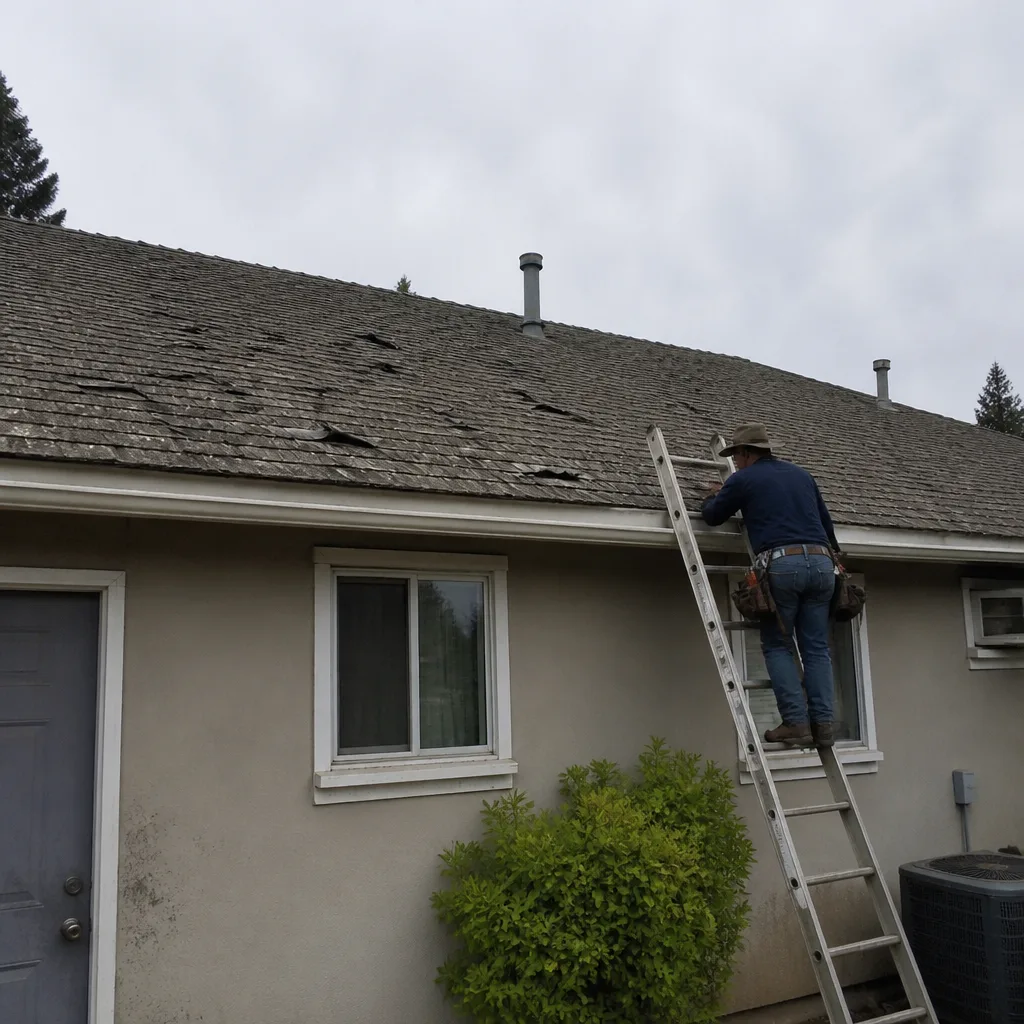 Before
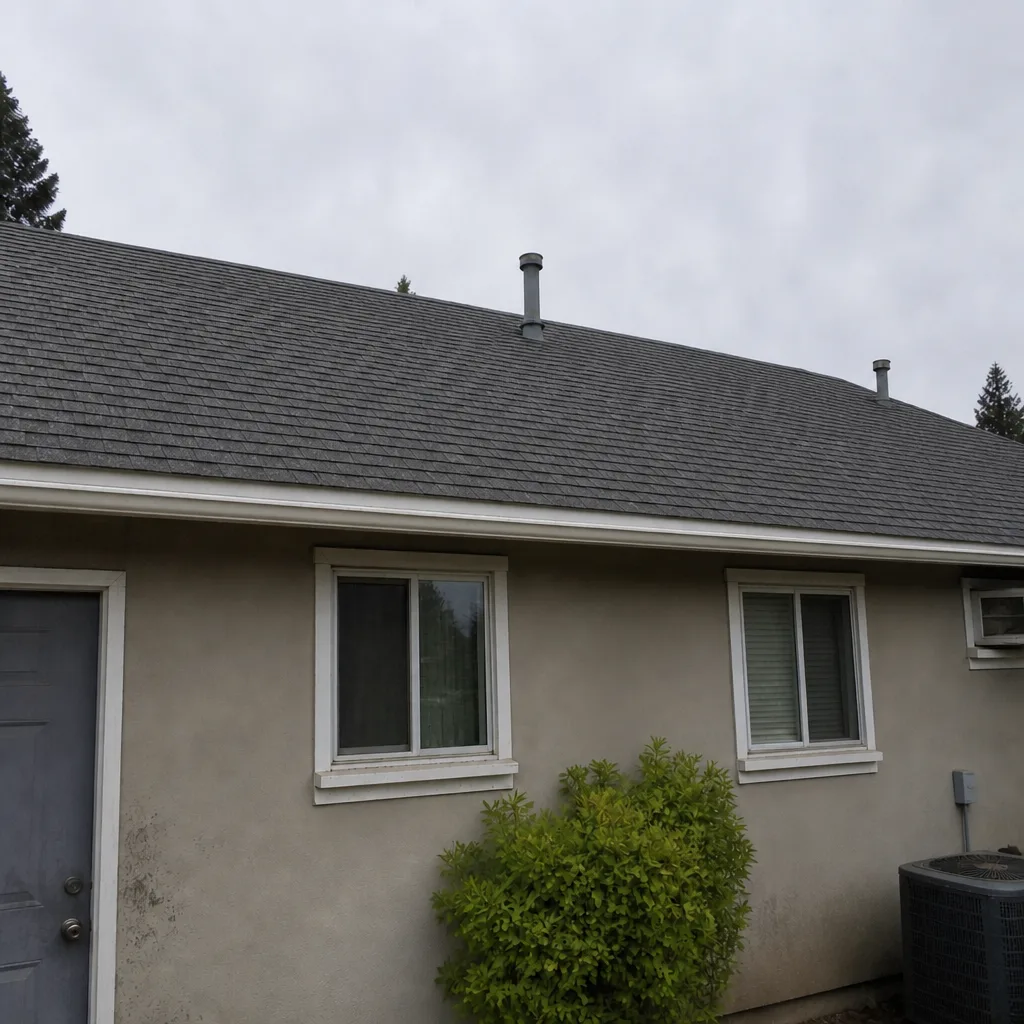 After
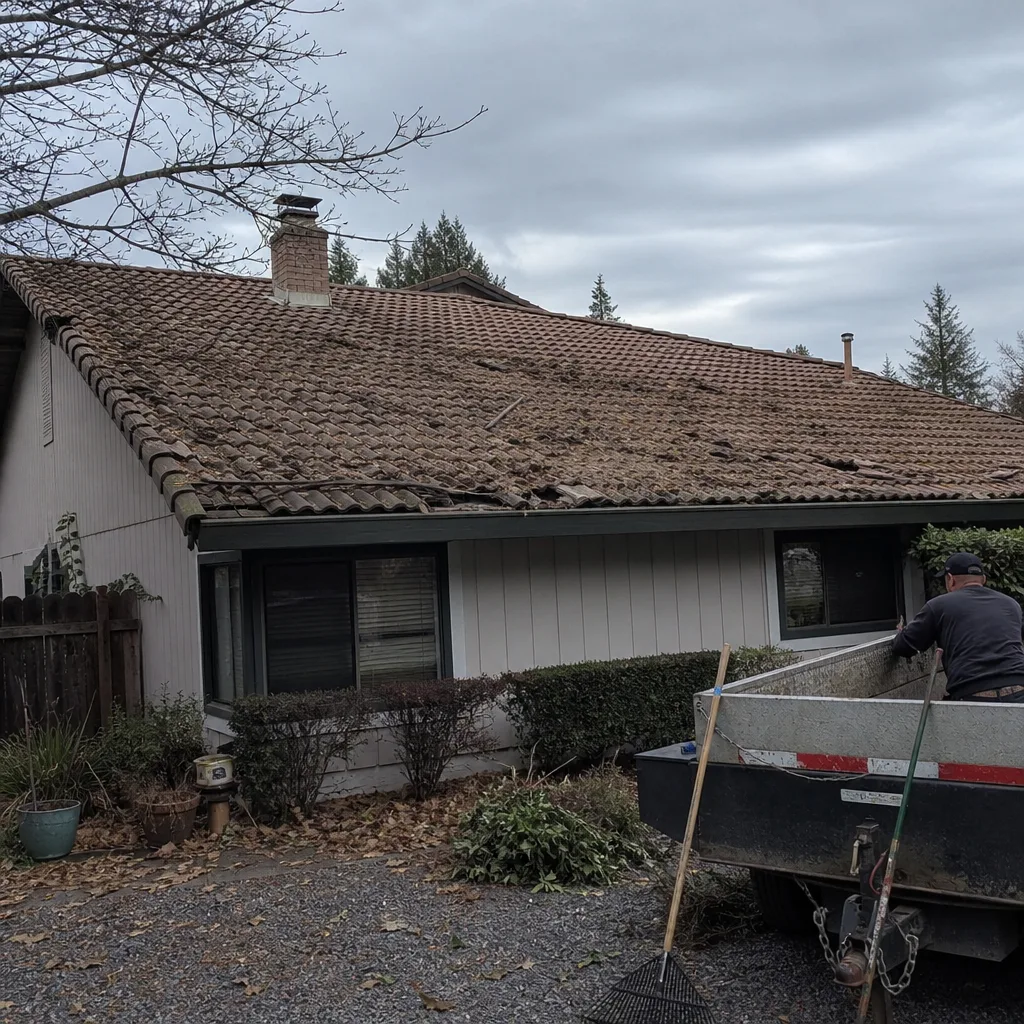 Before
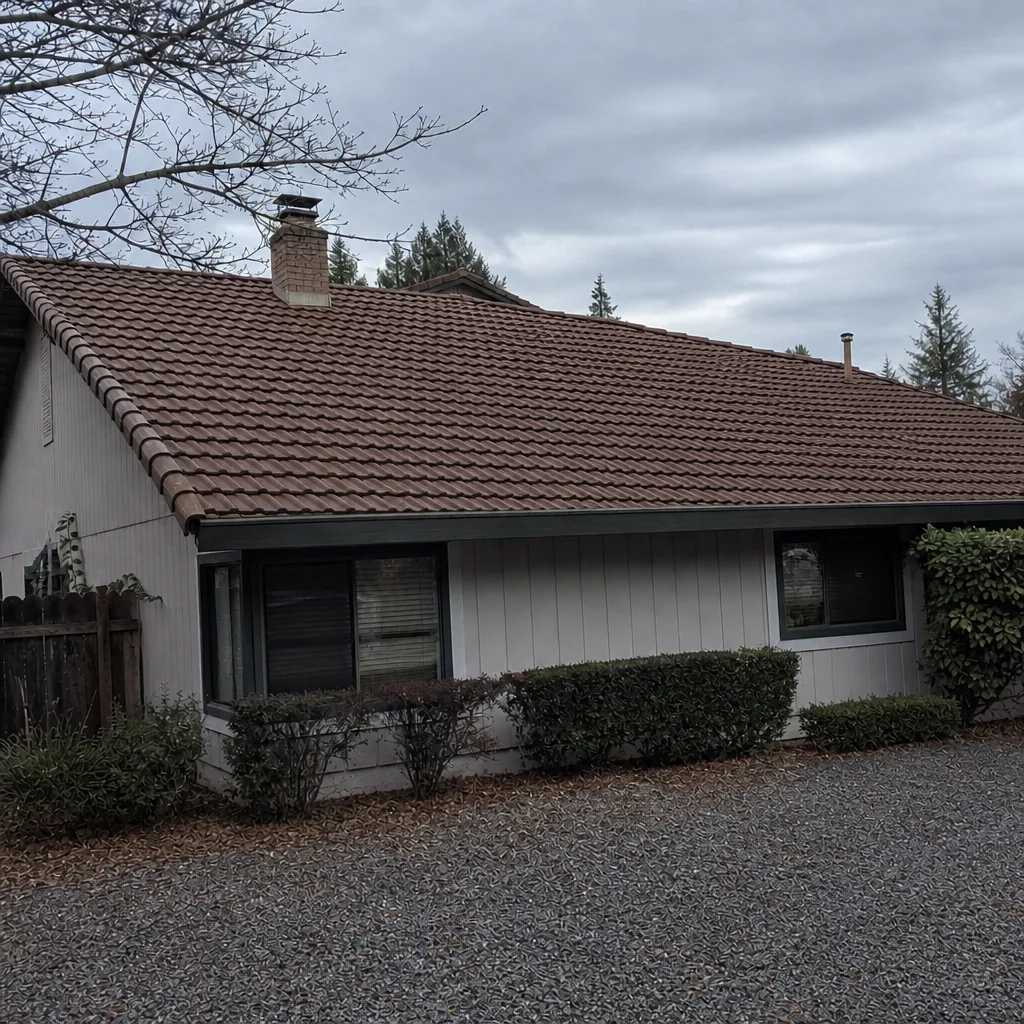 After
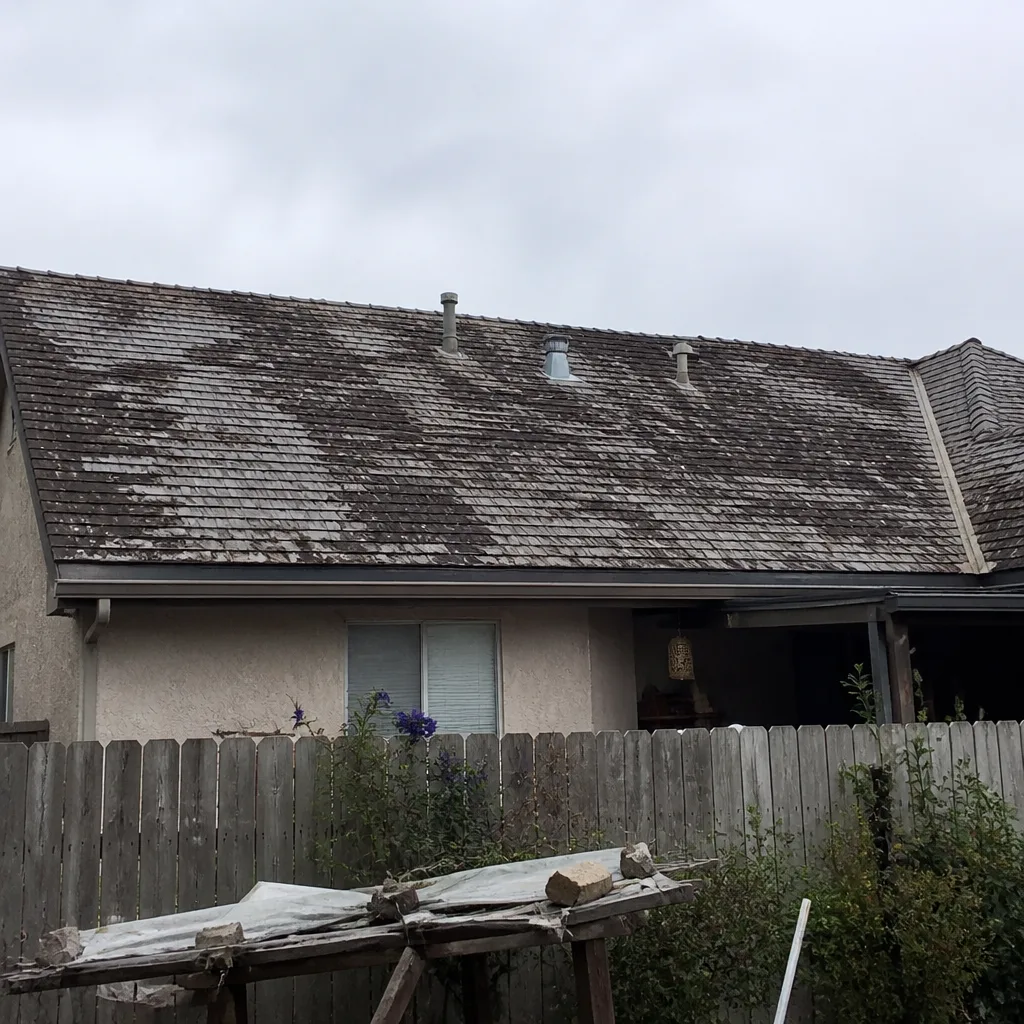 Before
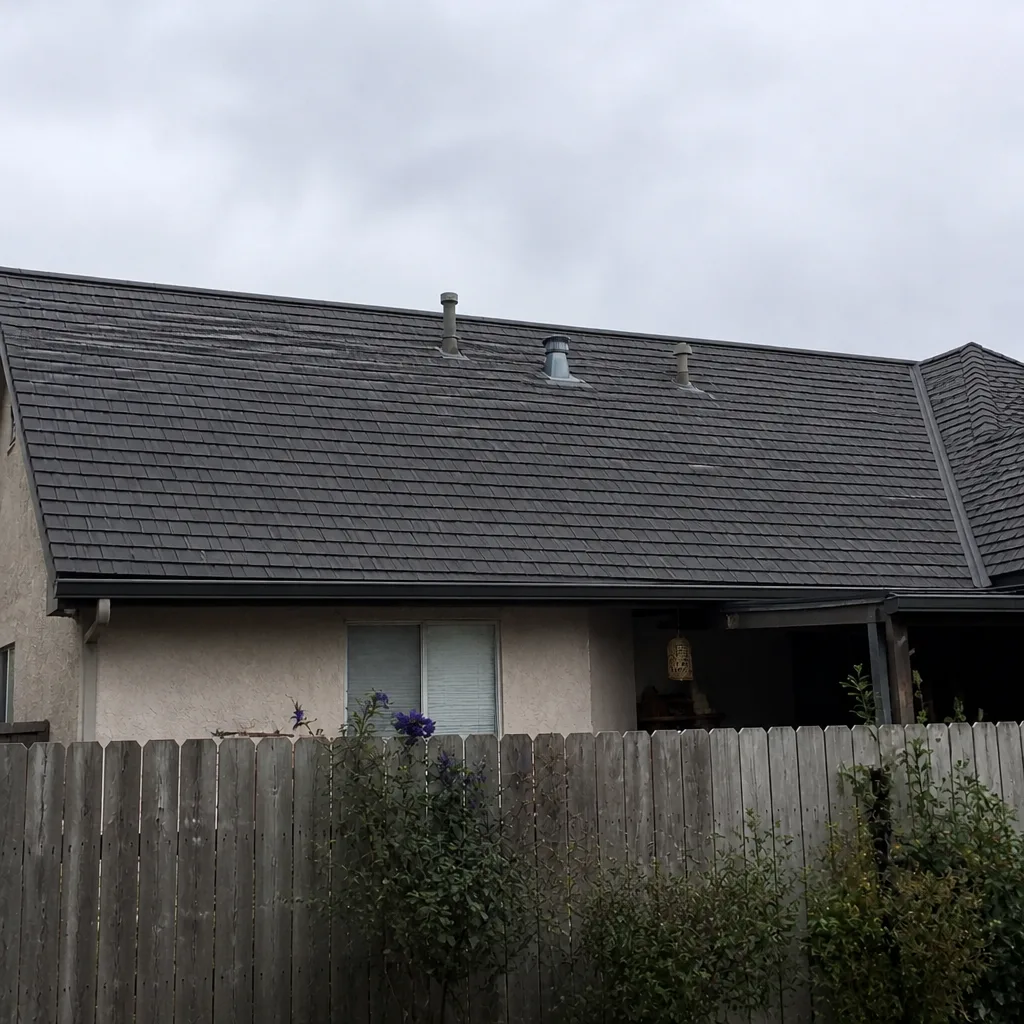 After
Frequently Asked Questions
In most cases yes, on paper, because Nevada allows a homeowner to work on their own primary residence. But the homeowner exemption does not extend to permit inspections, warranty coverage, or the safety risk of roof work in Paradise heat. For any reroof that opens the roof system, we recommend working with a licensed roofer. Call (833) 936-2087 for a free estimate and a straight assessment.
Often yes. Most shingle warranties include installation conditions, and unlicensed installation can void the product warranty on lines from brands like GAF and Atlas. That means a covered defect at year eight or twelve becomes your cost instead of the manufacturer’s.
Gutter cleaning, minor caulk touch-ups around vents and flashing edges, and clearing debris after a wind event. These don’t open the roof system. Anything touching the shingles, underlayment, deck, or flashing belongs with a roofer.
Surface temperatures on a shingle roof can reach 170°F in direct summer sun. That’s hot enough to cause contact burns and heat illness quickly. Even experienced roofers manage the exposure carefully with proper gear and rotation, which is why DIY roofing in June through August is a medical risk, not just a skill risk.
Small repairs usually don’t require a permit, but a full reroof in Paradise requires one from Clark County’s building department. The permit carries inspection requirements at multiple stages of the job. If your project involves a full replacement, pull the permit or work with a licensed roofer who does. Ask your city’s building department about your specific situation before starting.
An inspection is the only reliable way to answer that. A roofer walks the roof, checks the deck, underlayment, and flashing, and gives you a clear recommendation on repair versus replacement. Repair usually wins when the damage is localized and the deck is sound. Replacement makes more sense when the roof is near end of life or the damage is widespread. Call (833) 936-2087 to schedule a free estimate.
The Bottom Line
DIY roofing in Paradise is a narrow lane. Gutter cleaning, minor sealing, and debris removal are genuinely homeowner tasks. Everything else involves permits, warranty exposure, heat risk, and safety concerns that most homeowners underestimate. The break-even math favors DIY only for small maintenance work. For any project that opens the roof system, a licensed install is typically either cheaper or close to it once warranty loss, permit risk, and safety are added in. If you’re not sure where your project falls, a professional roof inspection gives you the honest answer before you spend a dollar on materials. Call (833) 936-2087 for a free estimate. We answer 24/7, with fast dispatch from 7am to 7pm, Sunday through Friday. Or start with a Paradise roofing inspection and find out exactly what your roof needs.
Written by the team at Wexford Roof Repair.