
Last updated November 15, 2026
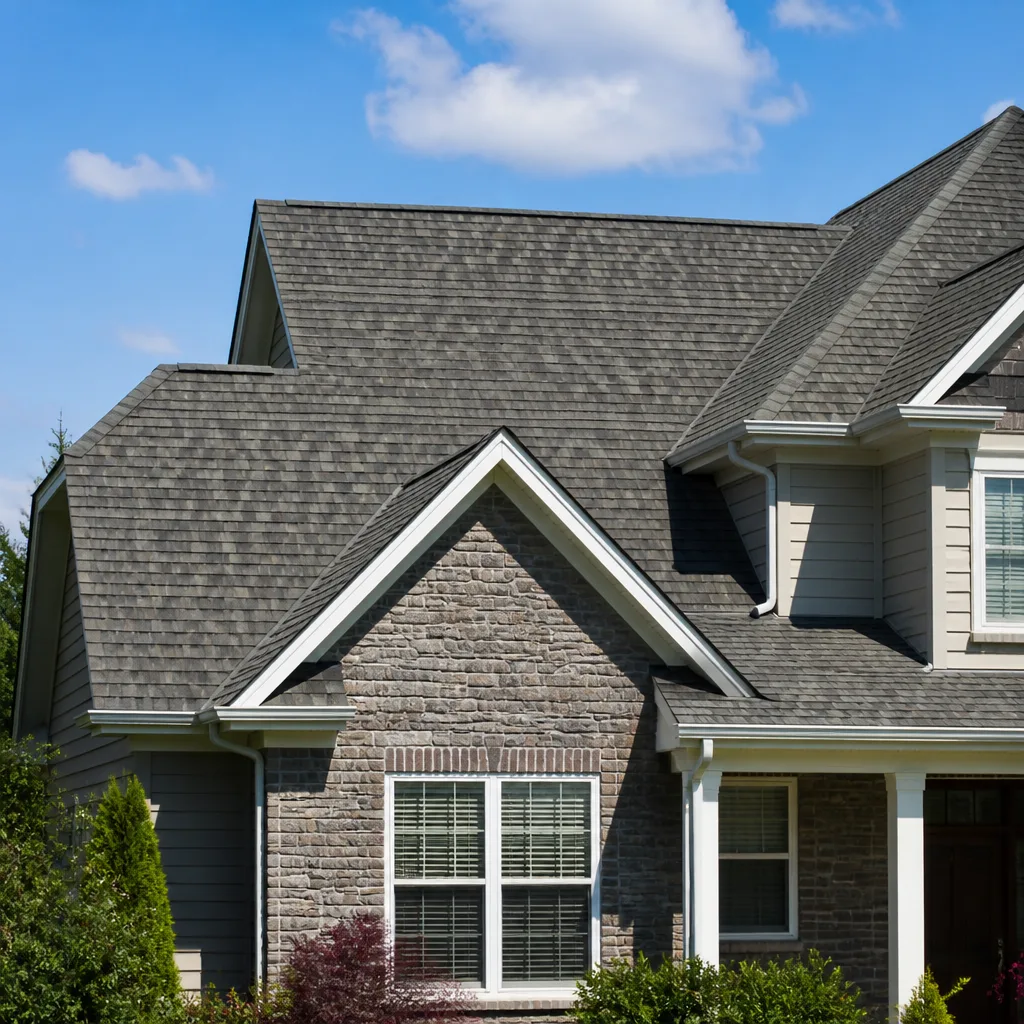 Architectural shingles
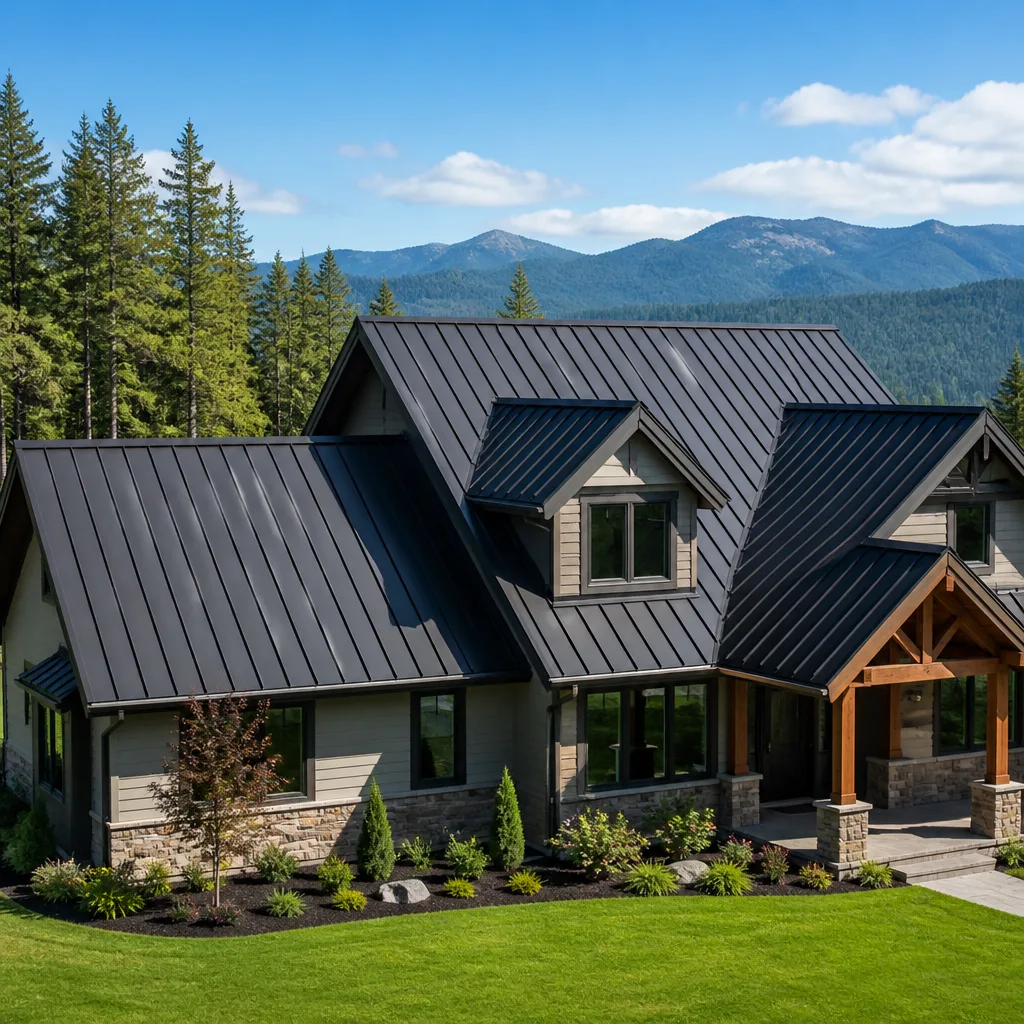 Metal roofing
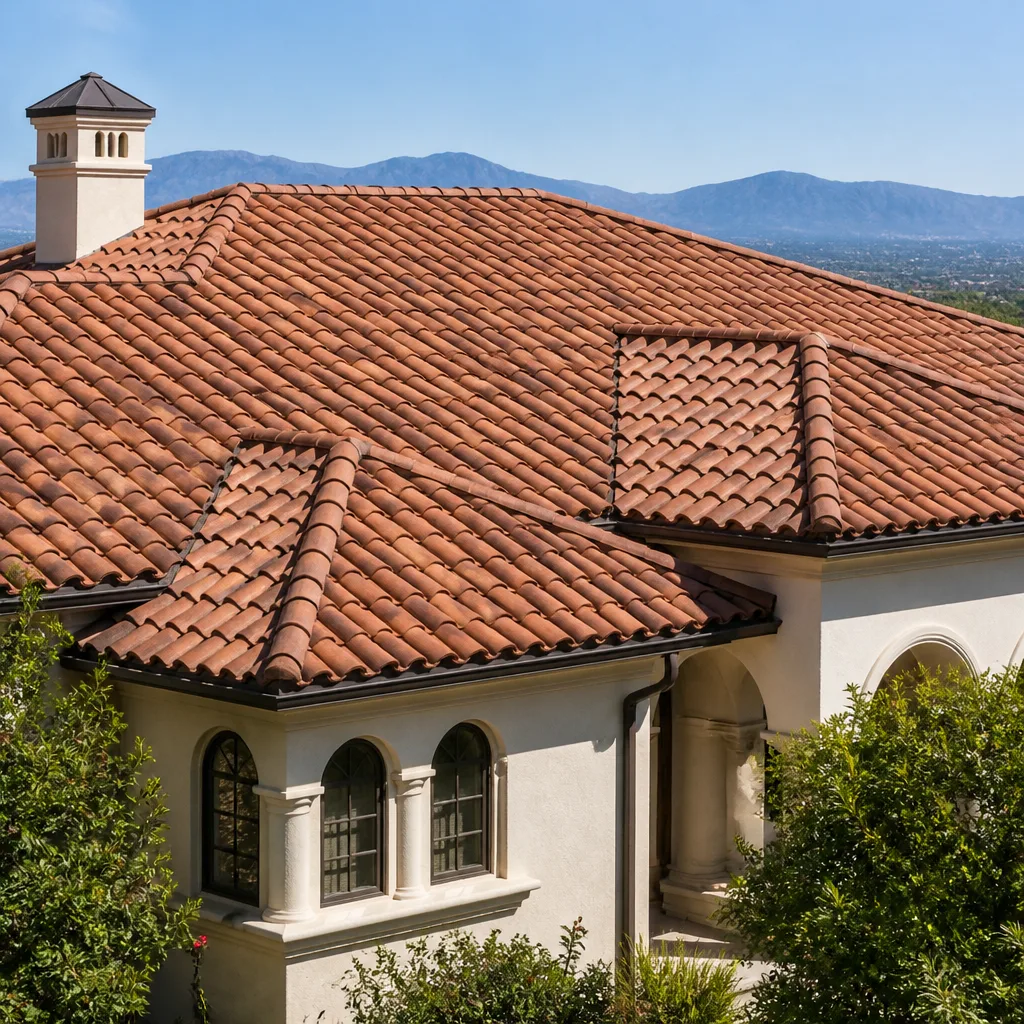 Tile roofing
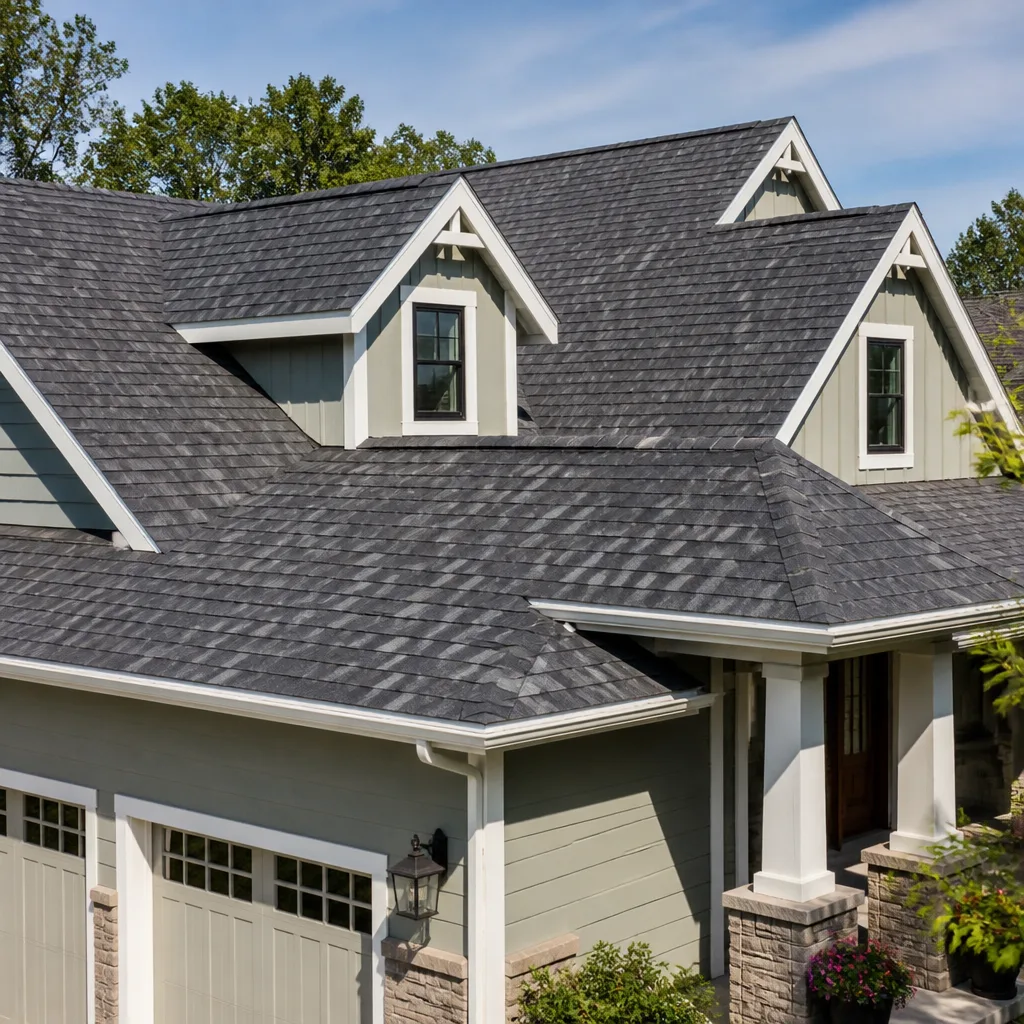 GAF
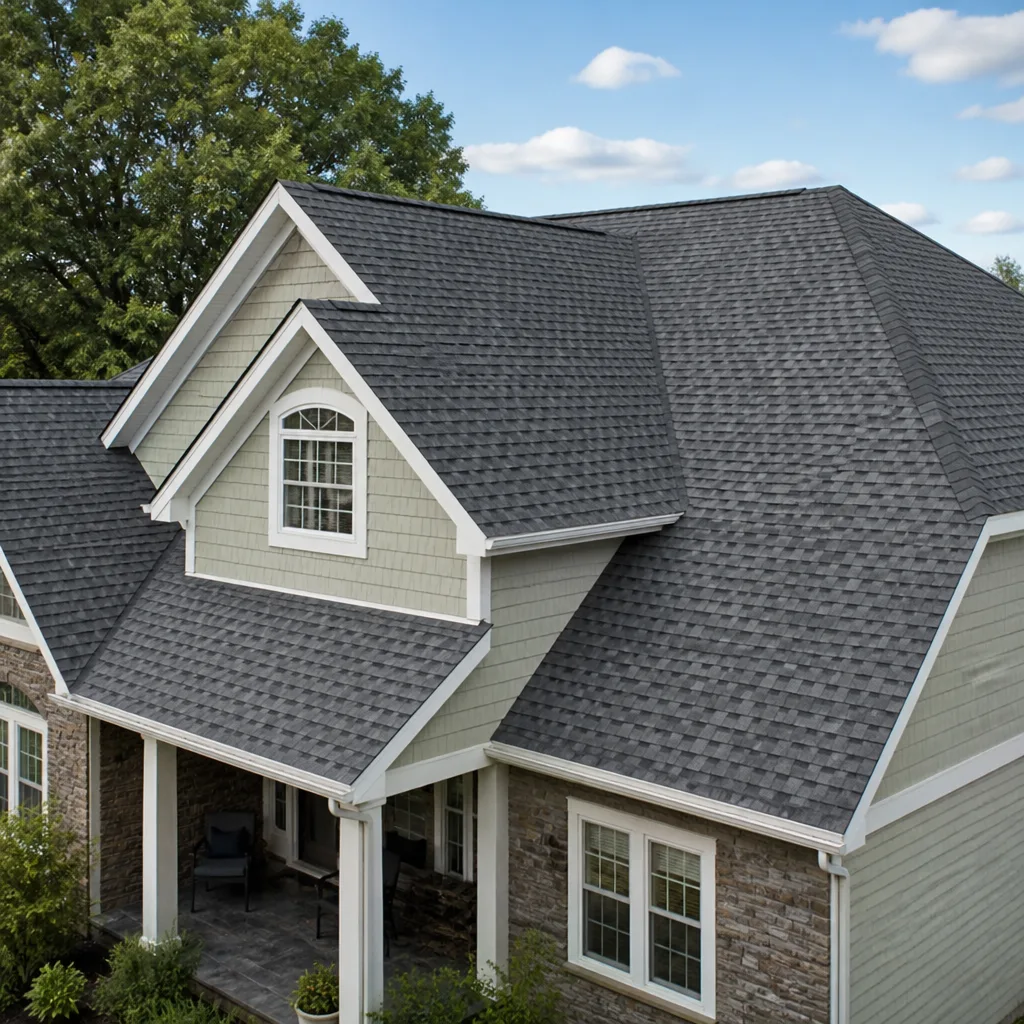 Owens Corning
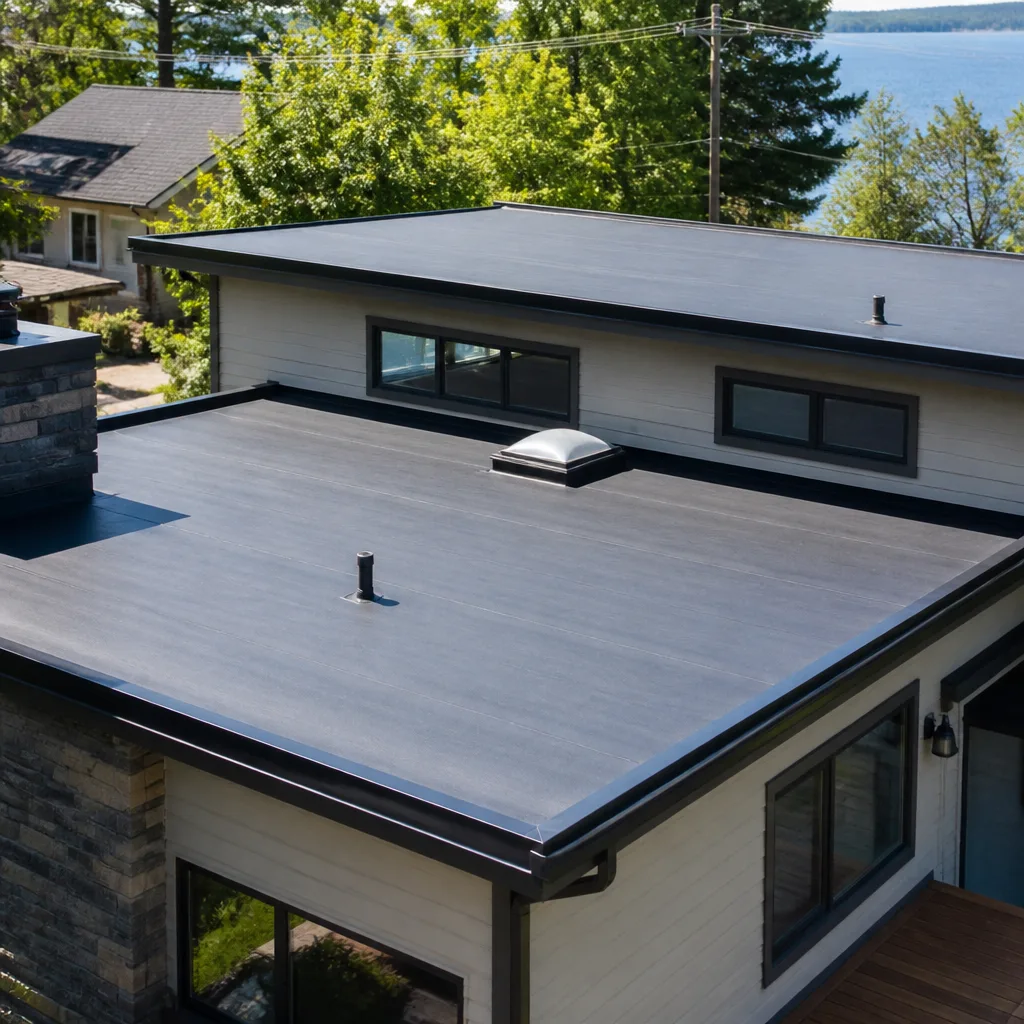 Flat & low-slope
Free roof inspection with deck photos before we talk money - GAF and Owens Corning certified installation
The Complete Roof Repair Guide for Paradise Homeowners
Las Vegas valley temperatures can swing 50°F in a single day, and that thermal shock is the primary reason most Paradise roof repairs fail within two years. It’s not usually poor workmanship. It’s the wrong repair approach for the climate. Most roofing advice homeowners find online was written for climates with mild summers and regular rainfall, and it steers people toward fixes that don’t hold up when a roof bakes above 300 days of sun a year and then gets hammered by monsoon rain in the same season. In this guide, we walk through how Paradise roofs actually fail, the order in which the failures happen, what repair materials survive the conditions here, and the math for deciding between a repair and a replacement. By the end, you’ll know what to ask for and what to be wary of.
Quick Answer
Roof repair in Paradise usually starts with the same two culprits: sun damage to sealants and flashing, and heat-driven expansion that opens seams and cracks shingles before their time. The right repair depends on how far the damage has progressed through the sequence of granule loss, exposed mat, cracking, and decking decay. Match the repair to the stage, use materials rated for sustained UV, and a Paradise roof can be extended for years rather than patched for one more season.
Styles & brands we work with
- Architectural shingles
- Metal roofing
- Tile roofing
- GAF
- Owens Corning
- Flat & low-slope
Table of Contents
- Why Paradise Roofs Fail Differently
- The Failure Sequence: Granule Loss to Decking Damage
- What UV Actually Does to Shingles, Sealants, and Flashing
- Flat and Low-Slope Roofs: A Different Repair Strategy Entirely
- Monsoon Season and the Rooftop HVAC Problem
- Repair or Replace? The Decision Math
- What Roof Repairs Typically Cost in Paradise
- Why a Standalone Inspection Pays for Itself
Why Paradise Roofs Fail Differently
Roofing problems in Paradise are driven by two forces that rarely meet in other parts of the country: unrelenting sun and brief, intense rain. Most of the continental U.S. deals with freeze-thaw cycles, snow load, or steady moisture. Paradise rooflines don’t see the freeze, but they see asphalt shingles that reach well past their rated surface temperature on summer afternoons and then cool sharply once the sun drops. That expansion-and-contraction cycle repeats day after day, season after season, and it works sealant joints loose far faster than steady moderate temperatures would.
On top of the heat, Paradise homes live under one of the sunniest skylines in the country. UV exposure at this level breaks down the chemistry of asphalt binder and the flexible compounds in sealants and flashing adhesives. Materials that perform well in cooler, cloudier climates lose elasticity here. That’s the core reason a shingle roof in Paradise ages on a different curve than a shingle roof in the Pacific Northwest.
And then there’s the monsoon. Brief, heavy downpours test every seam, every flashing edge, every fastener penetration. A roof that’s been quietly weakening all summer doesn’t wait politely to leak right after a repair; it leaks during the first real storm, which is when a lot of Paradise homeowners first notice the problem. Our technicians have up to 12 years of experience on roofs in this valley, and the pattern they see is consistent: sun damage weakens the roof, monsoon rain finds the weakness, and the leak is the symptom rather than the disease.
What this means in practice is that repair logic has to be tuned to this climate. A standard shingle patch with a standard sealant can work for years in Ohio and fail within a couple of seasons in Paradise, and it’s not because the crew did anything wrong. It’s because the materials weren’t chosen for this environment.
The Failure Sequence: Granule Loss to Decking Damage
Roofs in Paradise don’t fail all at once. They fail in a predictable sequence, and knowing where a given roof sits in that sequence is the first step in deciding what kind of repair makes sense and how long that repair should last.
1. Granule loss
Asphalt shingles are coated with granules that shield the underlying asphalt binder from UV. In most climates, granule loss is gradual. In Paradise, it accelerates. You may notice granules in gutters or along the bottom edge of the roof. At this stage, the shingles may still be structurally sound. Granule loss alone isn’t a repair trigger, but it’s an early warning sign that the shingles’ protective layer is thinning.
2. Exposed mat
Once enough granules are gone, the fiberglass or organic mat underneath the shingle becomes visible. This is when UV damage goes from surface-level to structural. Exposed mat is a genuine repair trigger. Depending on how much of the roof is affected, patching, replacing small sections, or doing a full replacement may be the right move.
3. Cracking and blistering
Heat cycling causes the exposed mat and the brittle asphalt to crack and, sometimes, blister. Cracks give monsoon rain a direct path into the roof assembly. At this stage, spot repairs can help, but the long-term cost curve tilts toward replacement if cracking is widespread.
4. Decking damage
Once water gets past the shingles and underlayment, the roof decking begins to absorb moisture. In Paradise, decking damage isn’t usually rot in the traditional sense because the climate is dry, but water intrusion during monsoon storms can still cause soft spots, delamination, and fastener failure. At this stage, a repair has to include decking replacement over any compromised area, or the fix won’t hold.
We stage our inspections around this sequence specifically. If you’re not sure where your roof sits, a standalone roof inspection answers that question before you commit to any repair.
What UV Actually Does to Shingles, Sealants, and Flashing
UV radiation from above 300 days of sun per year is the single most destructive force on a Paradise roof, and it operates on three parts of the assembly at once: the shingles themselves, the sealants around penetrations and edges, and the flashing that channels water away from valleys, chimneys, and vents.
Sealants are the hidden failure in Paradise. Roofing sealants are designed to stay flexible through temperature swings, but UV degrades the polymer chains that give them elasticity. Once a sealant goes brittle, it cracks away from the joint it was protecting and monsoon water finds its way in. A cheap standard sealant might hold through one season here. A UV-rated polyurethane or high-performance silicone sealant can hold for years, and using the right one is often the difference between a repair that lasts and a callback.
Flashing is the second common failure. Metal flashing expands and contracts heavily in this climate, and the fasteners holding it in place loosen over time. When fasteners back out, the flashing lifts slightly, and the next heavy rain pushes water under it. The right repair involves re-securing and re-sealing flashing with hardware and sealant rated for the temperature range, not just touching up the edges with a bit of caulk.
Shingles are affected at the material level. Not every shingle is built to the same UV tolerance. When we recommend materials for a Paradise repair or replacement, we pull from a broad roster of manufacturers, including CertainTeed, Owens Corning, IKO, and Atlas. That broader selection gives a homeowner real choices in UV performance, warranty tier, and price, rather than whatever a single supplier happens to recommend.
Flat and Low-Slope Roofs: A Different Repair Strategy Entirely
Many Paradise tract homes, especially those built from the 1980s forward, incorporate flat or low-slope sections, often over garages, patios, or additions. Repairing a flat or low-slope roof is a genuinely different job from repairing a pitched shingle roof, and applying pitched-roof logic to a flat roof is one of the most reliable ways to wind up repeating the repair.
The core difference is drainage. Pitched roofs shed water quickly and rely on gravity. Flat and low-slope roofs rely on a membrane, and any ponding is a serious issue. Materials commonly used on Paradise low-slope sections include modified bitumen, TPO, and rolled roofing, and each has different UV tolerance, seam behavior, and lifespan. The right repair matches the material to the slope, and it typically involves:
- Identifying the low point where water is ponding and correcting it, not just recoating over it.
- Cleaning and preparing the surface before any patching, because membranes don’t bond to dust.
- Reinforcing seams, since seams are where flat roofs fail first in this climate.
- Reflective coating where appropriate, to lower surface temperature and extend the membrane’s life.
Because flat roofs are often on secondary structures, homeowners sometimes treat them as low priority. That’s a mistake in Paradise, where a flat section that fails can send water into an interior wall cavity before anyone notices. When we quote roof repair, we treat flat and low-slope sections as their own scope, with their own materials and their own expectations for how long the repair should last.
Monsoon Season and the Rooftop HVAC Problem
Most roof repair guides skip the rooftop HVAC platform entirely. In Paradise, that’s a significant gap, because HVAC platforms on low-slope and flat sections are a genuine secondary failure point, and monsoon season is when they fail.
The typical setup is a plywood or metal platform raised slightly off the roof surface, with a curb or flashing around the equipment and penetrations for refrigerant lines and electrical conduit. That assembly goes through the same thermal cycling as the rest of the roof, and it takes the full UV load. Over time, the curb flashing separation widens, the sealant around the penetrations hardens, and the platform itself may begin to flex or sag.
During a monsoon downpour, water sheets across the roof faster than the drainage can carry it away. Around the HVAC platform, water ponds against the curb and finds any open seam. The leak shows up inside the house weeks later, usually at a ceiling stain near a wall that seems unrelated to the roof, which is why HVAC platform leaks are so often misdiagnosed.
Two things to check when you’re evaluating a roof with a rooftop unit:
- The curb and platform flashing should be tight to the roof surface and to the equipment, with sealant that’s still pliable rather than cracked or chalky.
- The drainage path around the platform should be clear, with no ponding against the curb after rain.
If the roof around an HVAC platform is ponding, the repair isn’t just resealing. The drainage has to be corrected, or the sealant will fail again at the same spot. That’s the kind of detail a generalist contractor often misses.
Repair or Replace? The Decision Math
The single hardest question most Paradise homeowners face is whether a repair is a sound investment or whether the math is telling them it’s time for replacement. There’s no universal right answer, but the decision usually settles on three concrete factors.
How much of the roof is affected
As a general rule, if the damaged area is small and localized, a repair is almost always the right call. When damage is spread across a large share of the roof, or when the same failure keeps recurring in different spots, that’s replacement territory. A rough decision rule many contractors use is that if a repair would need to cover more than half the roof surface, replacement usually wins on cost per year of service life. If you’re seeing one isolated problem, repair. If you’re seeing a pattern, replacement.
The age and remaining life of the existing roof
A repair on a roof with substantial remaining life is money well spent. A repair on a roof that’s already near the end of its service life buys time, but only a little, and the cost-per-year math usually favors replacement. Assumptions about service life in other climates don’t transfer to Paradise, and neither do advertised lifespans, because UV exposure here compresses the curve.
The stage of damage
Repairs at the granule-loss stage are preventive and inexpensive. Repairs at the exposed-mat or cracking stage are moderate. Repairs that involve decking replacement on a roof that’s already weak are expensive, and they tend to be the point where replacement is the more logical route.
Cost-per-year of service life
A useful exercise is to estimate the repair cost per additional year the roof is likely to give. A $1,800 repair that buys five more years costs around $360 a year in roof cost. A replacement that costs more upfront but yields a fresh service life has a similar cost-per-year calculation. When the repair’s yearly cost eclipses the replacement’s, replacement is the better financial decision. This is the same reasoning we use when we quote roof replacement for Paradise homes.
What Roof Repairs Typically Cost in Paradise
Roof repair cost in Paradise depends on the size of the damaged area, the material involved, and how much decking or flashing work the repair includes. The ranges below are typical estimates for the area; the written estimate sets the final price for any specific job.
- Sealant and flashing repair around penetrations: $250-$600 per affected area
- Shingle patching on a localized section: $400-$1,200 depending on area and access
- Valley or transition flashing rebuild: $600-$1,500
- Flat or low-slope membrane repair: $500-$1,800 depending on size and material
- HVAC curb and platform flashing repair: $400-$1,100
- Decking replacement over a compromised area: $700-$2,500 per affected area
Two consistent drivers push a repair toward the higher end. First, access: a roof over a two-story entry or an interior courtyard takes longer than a simple single-story section. Second, how much surface prep the repair requires. Membranes and shingles don’t bond to a dirty, UV-chalked surface, and time spent on prep is the difference between a long-lasting repair and one that fails in the next monsoon.
Estimates are free, and the price is set per job by the written estimate. There are no change-order surprises once the work is scheduled.
Why a Standalone Inspection Pays for Itself
A roof inspection is the most useful tool a Paradise homeowner has for staying ahead of the failure sequence, and it should be available as a standalone service rather than something a contractor treats as a sales visit. An honest inspection tells you what’s actually wrong, where the roof sits in its lifecycle, and what repairs are warranted now versus what can safely wait.
What a good inspection looks at:
- The overall condition of the shingles or membrane, including granule loss and any exposed mat.
- The condition of flashing and sealant at every penetration and transition.
- The drainage path on any flat or low-slope section, including around HVAC platforms.
- Any signs of interior water intrusion, checked from inside the attic where possible.
- The condition of decking anywhere water may have tracked under the surface.
An inspection before a monsoon season catches small failures while they’re still cheap to fix. An inspection after a leak shows up tells you whether the problem is a small repair or something larger. Either way, the inspection separates the diagnosis from the work, so you can make a decision with real information.
Our technicians have up to 12 years of experience on Paradise roofs, and a roof inspection is one of the few times where getting the diagnosis right matters more than anything else. If you’re unsure about your roof, the inspection is the place to start. That’s the same approach we take when a homeowner calls Wexford Roof Repair about a problem they can’t quite place.
Common Mistakes to Avoid
- Using standard-grade sealant on a Paradise roof. Standard sealant goes brittle within a season here. Insist on UV-rated sealant for any repair, and if a proposal doesn’t mention the sealant spec, ask.
- Coating a ponding flat roof without fixing the drainage. A new coat of reflective paint over a low spot hides the problem for a few months and then worsens it. The drainage has to be corrected for any flat roof repair to last.
- Ignoring the HVAC platform. Leaks around rooftop units are often misdiagnosed because the interior stain appears far from the equipment. Ask specifically whether the curb and platform flashing are part of the repair scope.
- Treating granule loss as a nothing-burger. Granules protect the shingle from UV. Once they’re gone, degradation accelerates. It’s the cheapest stage to catch.
- Replacing the roof when a repair would extend it. Many Paradise homes have several years of life left in the roof. A repair with the right materials can be the better financial choice.
- Repairing repeatedly instead of considering replacement. If the same failure keeps appearing in different spots, the pattern is the message. Stop patching and evaluate replacement.
- Skipping an independent inspection. A repair decided on a pitch is a repair decided without real information. Start with an inspection so you know what you’re dealing with.
See the difference
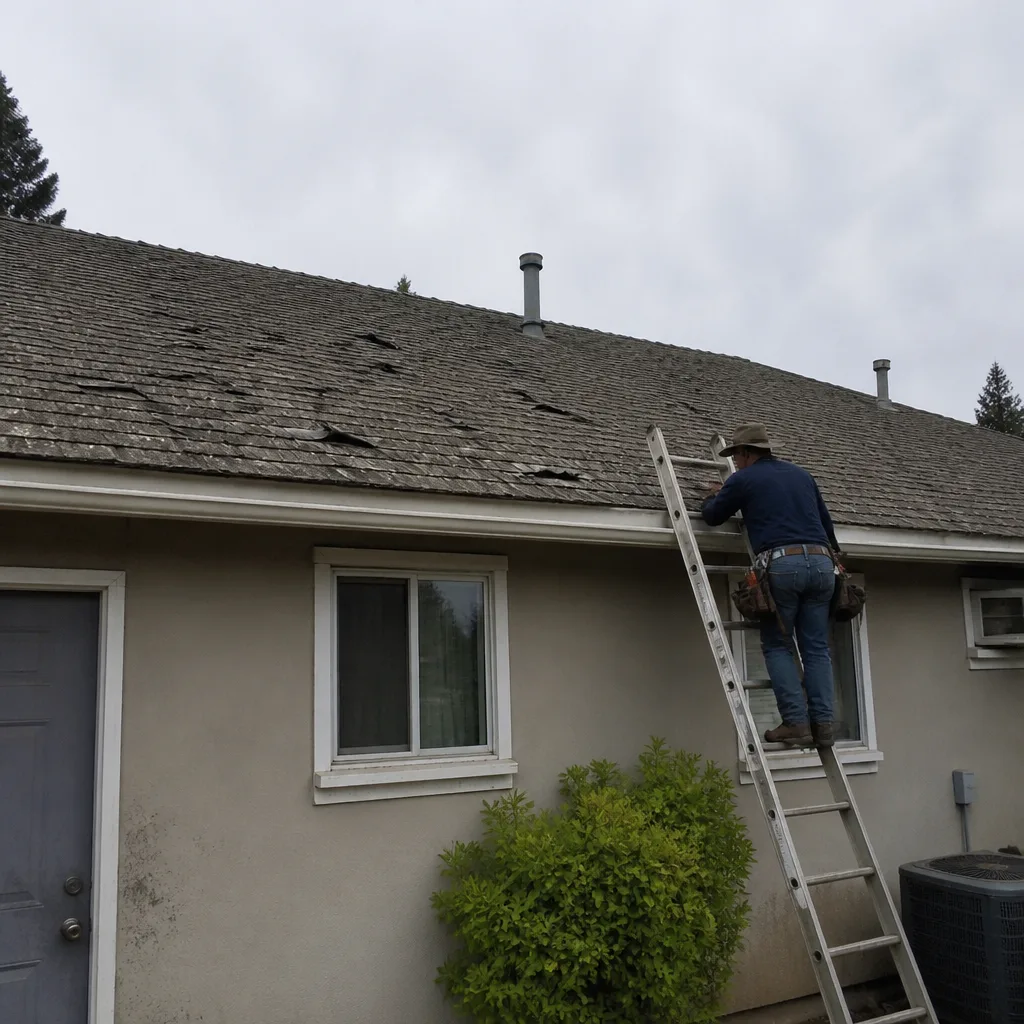 Before
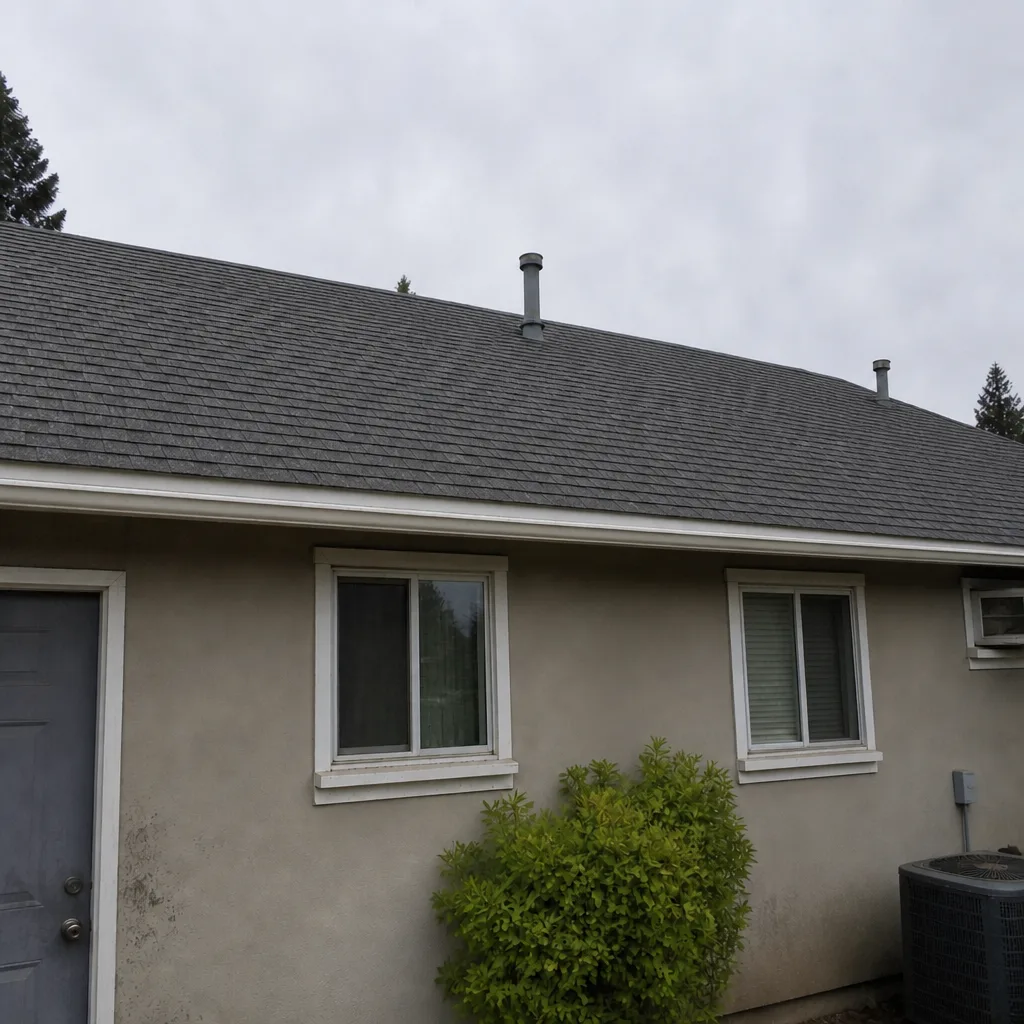 After
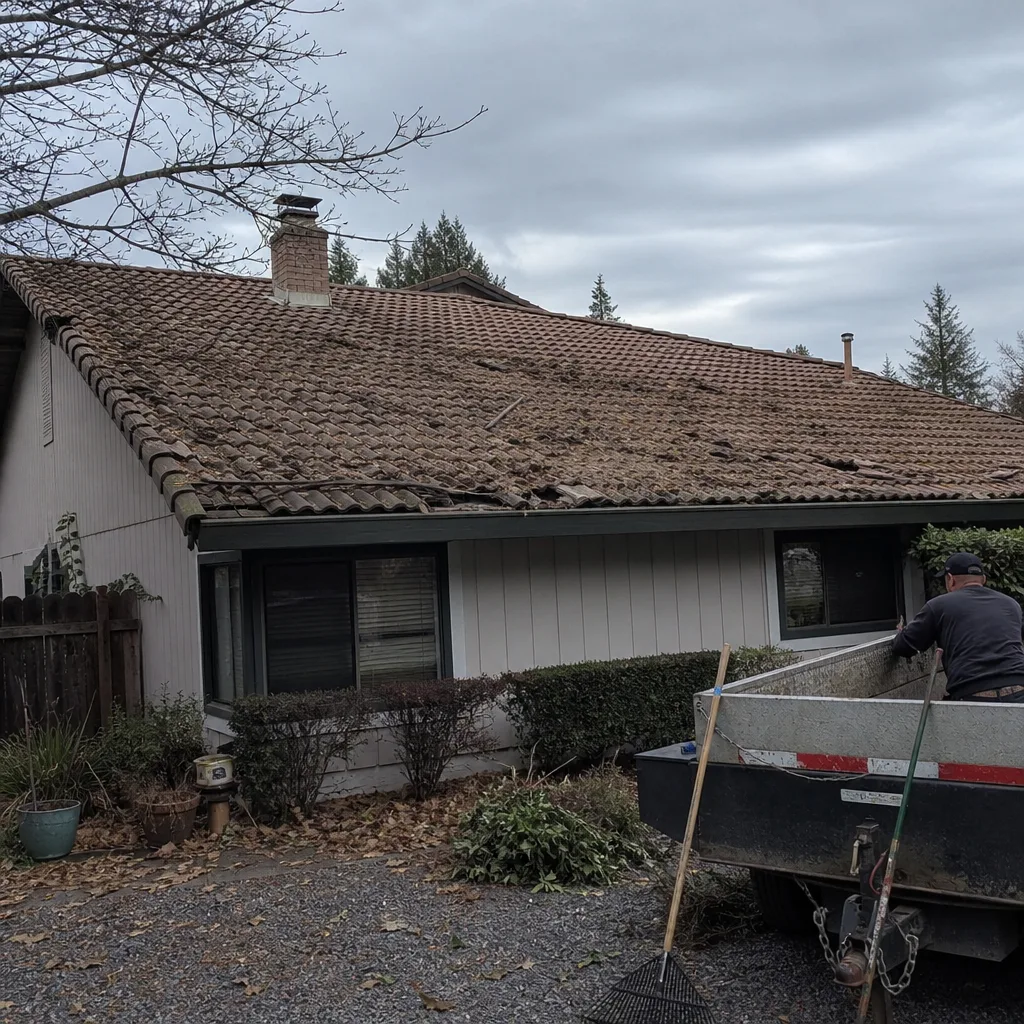 Before
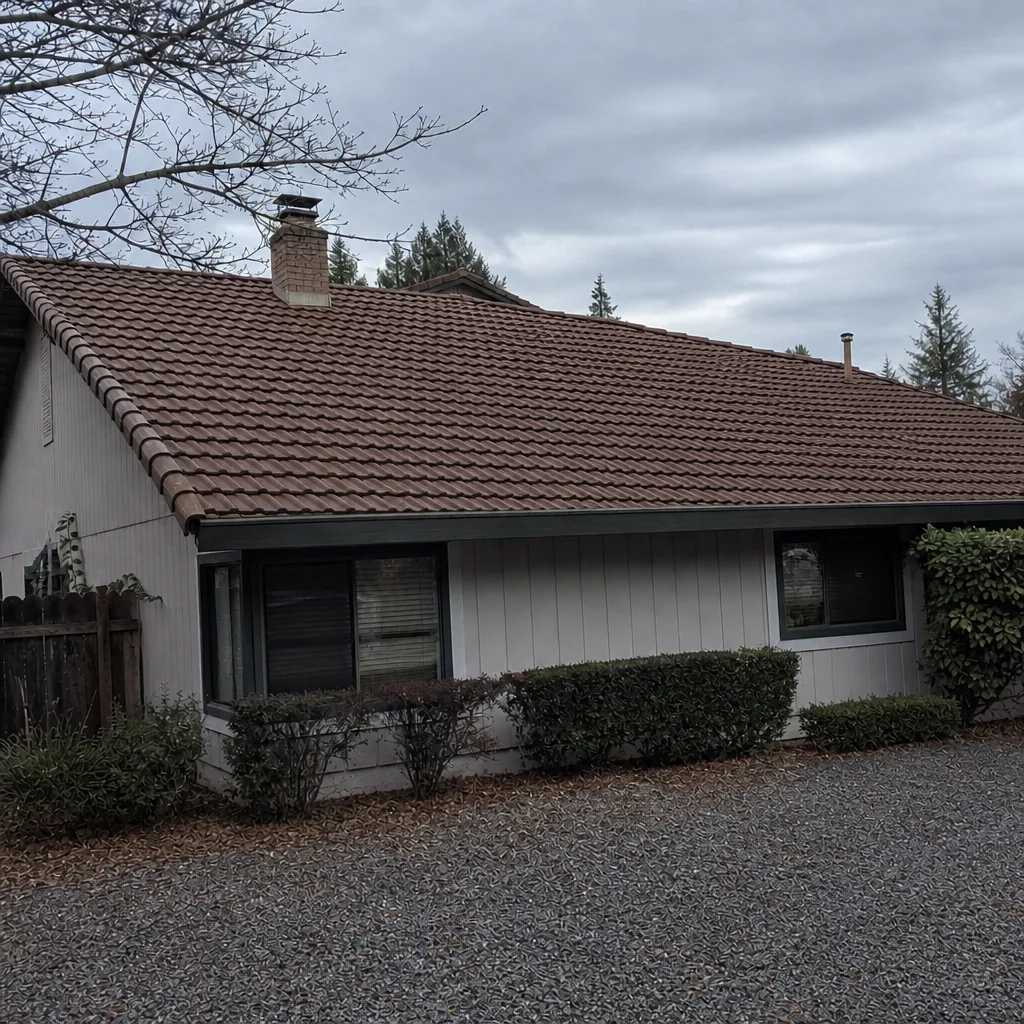 After
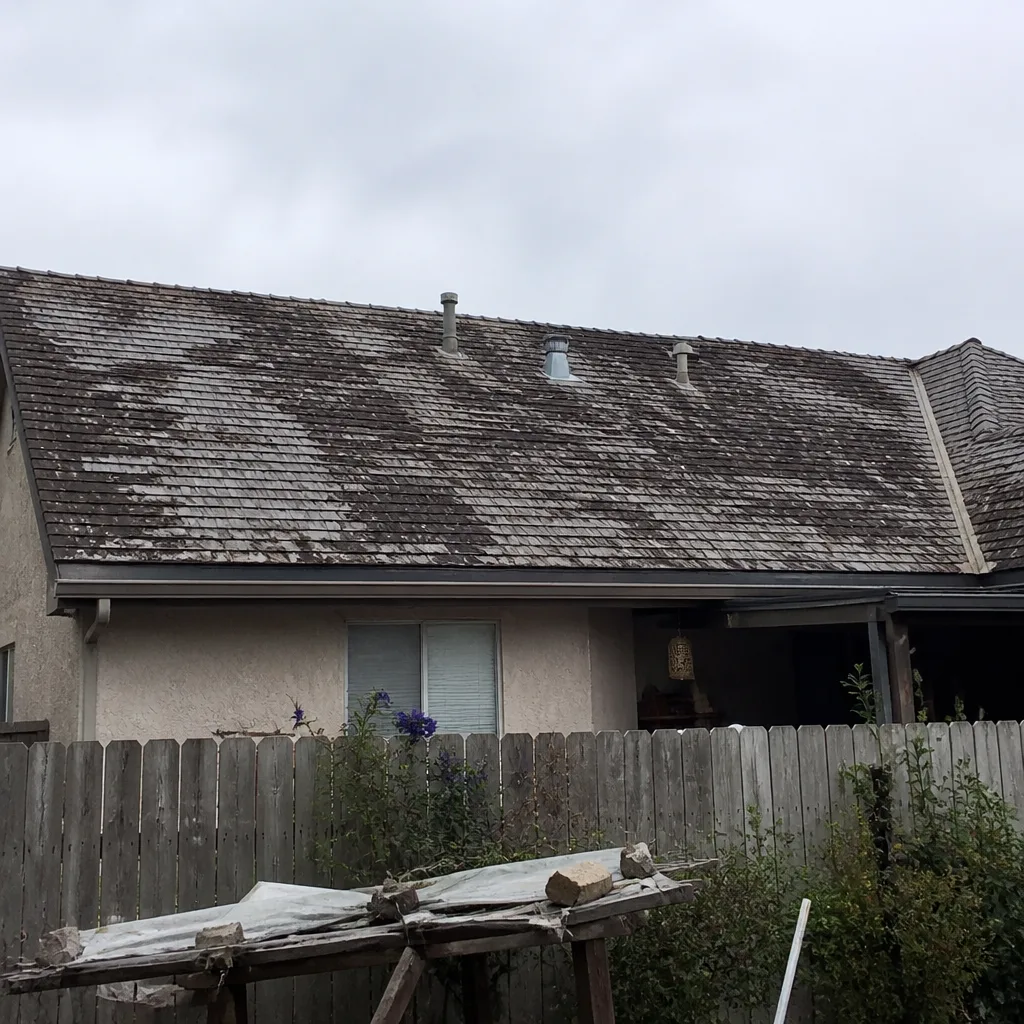 Before
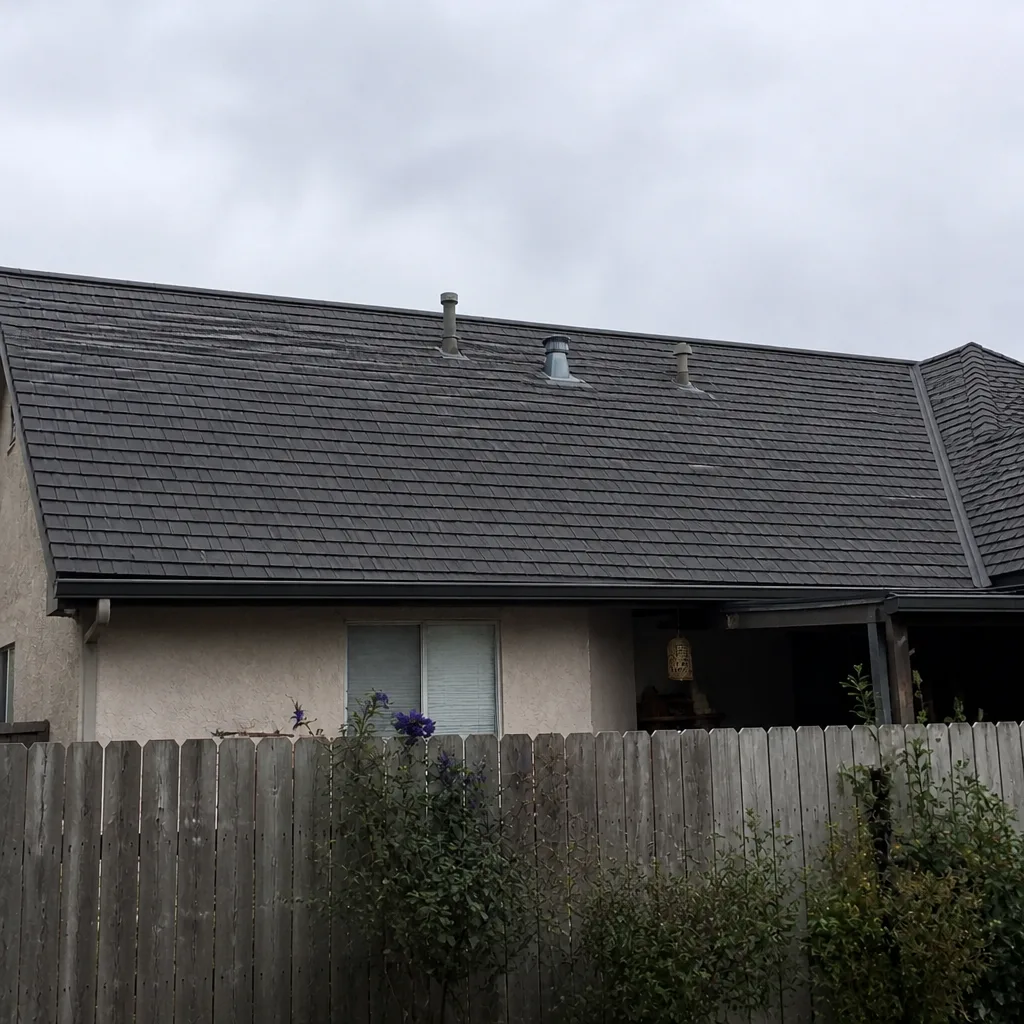 After
When to Call a Professional
Some roof problems are safe to check and think about. Others need a professional on the roof. Call a professional if you’re seeing water stains on ceilings or walls, if granules are piling up in the gutters in volume, if you can see exposed mat or cracks in the shingles, if a flat or low-slope section is ponding after rain, or if the flashing around a chimney, vent, or HVAC platform has visibly pulled loose. Roofing is high-consequence work, and a fall or a bad repair costs far more than an inspection. Wexford Roof Repair offers free estimates in Paradise – call (833) 936-2087. We answer 24/7. Fast dispatch from 7am to 7pm, Sunday through Friday.
Frequently Asked Questions
Roof repair in Paradise typically ranges from $250 for a small sealant and flashing repair up to $2,500 for a repair that includes decking replacement. The written estimate sets the final price, and estimates are free. Call (833) 936-2087 for an exact quote.
Most repairs fail quickly in Paradise because of thermal shock and UV exposure. Daytime roof temperatures swing dramatically across a single day, which cracks standard sealants faster than in most climates, and UV degrades shingles, sealants, and flashing adhesives at an accelerated rate. Repairs done with standard materials often fail within a season; UV-rated materials hold much longer.
No. Flat and low-slope roofs use completely different materials (modified bitumen, TPO, rolled roofing) and fail differently, mainly at seams and low spots where water ponds. Applying pitched-roof techniques to a flat section typically produces a roof that fails again at the next heavy rain. Flat roofs need membrane-appropriate repairs and drainage correction.
Paradise roofs typically fail in this order: granule loss first, then exposed mat, then cracking and blistering, then decking damage from water intrusion. Each stage has its own appropriate repair. The earlier the stage, the cheaper and more effective the repair, which is why catching problems at the granule-loss stage matters.
The rule of thumb is to repair when the damage is localized and the roof has remaining service life, and to consider replacement when more than half the roof surface needs repair, when the existing roof is near the end of its life, or when the same failure keeps recurring in different spots. Compare cost-per-year of service life for both options.
An annual roof inspection before monsoon season is a sound habit for Paradise homeowners, with an additional check after any major storm. An inspection catches small failures while they’re still cheap to fix. A standalone inspection is available without committing to a repair. Call (833) 936-2087 to schedule; estimates are free.
The Bottom Line
Paradise roofs fail on a different curve than roofs almost anywhere else in the country. UV radiation from above 300 days of sun a year degrades shingles, sealants, and flashing faster than the national average, and the monsoon season tests every weakness the summer opened up. The failure sequence is predictable: granule loss, exposed mat, cracking, decking damage. Repairs last when they’re matched to that sequence and done with materials rated for the climate. When the math favors replacement, replacement is a rational decision rather than an upsell. Start with an inspection to find out where your roof actually is. Wexford Roof Repair handles inspection, repair, and replacement, with a broad material roster across CertainTeed, Owens Corning, IKO, Atlas, and several other leading brands. Call (833) 936-2087 for a free estimate. We answer 24/7. Fast dispatch from 7am to 7pm, Sunday through Friday.
Written by the team at Wexford Roof Repair.