
Last updated November 15, 2026
 Metal roofing
 Architectural shingles
 Tile roofing
 GAF
 Owens Corning
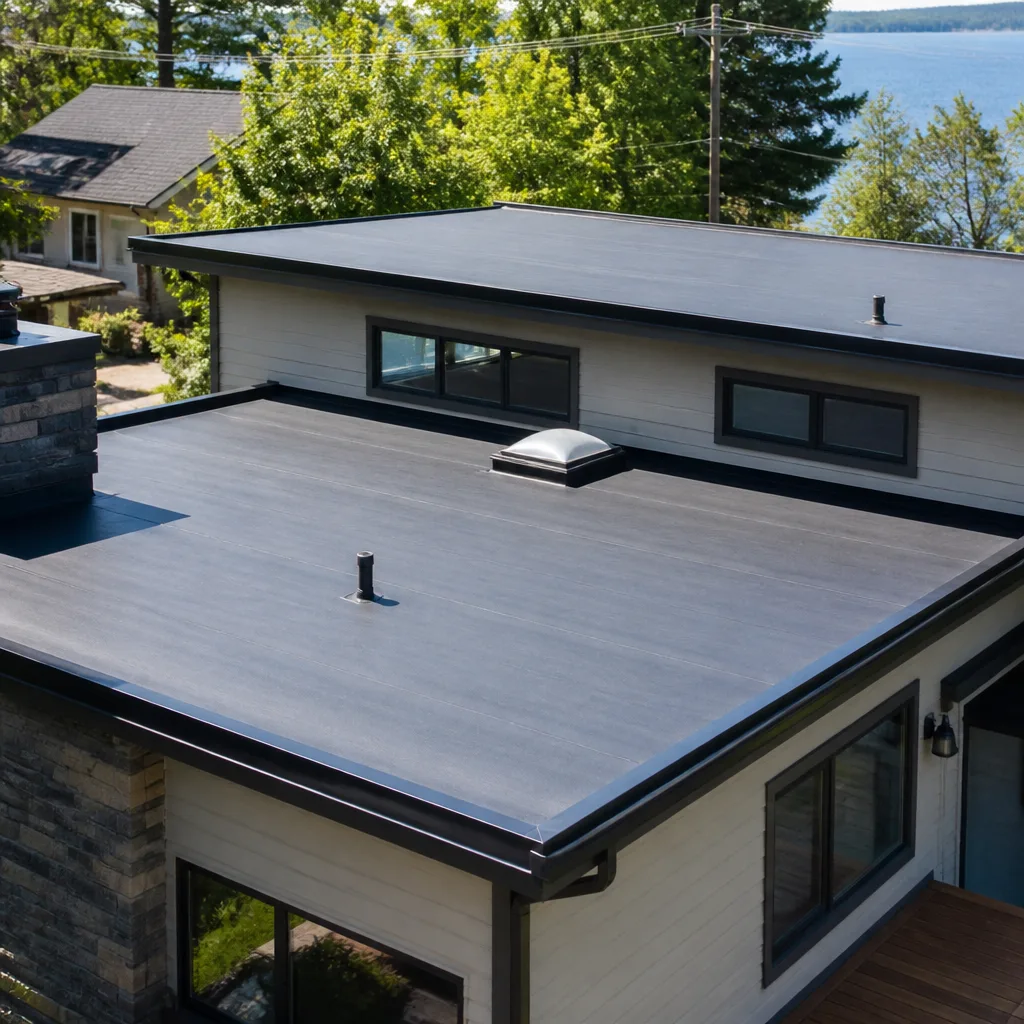 Flat & low-slope
Free roof inspection with deck photos before we talk money - GAF and Owens Corning certified installation
Seasonal Roofing Care for Paradise: Year-Round Homeowner’s Guide
Most homeowners in Paradise assume the roof’s hardest month is July. In our experience, it isn’t. The real damage window opens in late October and runs through December, when the desert swings from warm afternoons to cold nights and every sealant joint, flashing edge, and shingle tab on your roof expands and contracts against itself day after day. That thermal whiplash does more quiet harm than the peak heat ever does. Paradise doesn’t hand you four tidy seasons. It hands you four distinct threat periods, and each one asks something different of your roof. This guide walks through all four with realistic time estimates so you can plan the work instead of feeling guilty about skipping it.
Styles & brands we work with
- Architectural shingles
- Metal roofing
- Tile roofing
- GAF
- Owens Corning
- Flat & low-slope
Quick Answer
Seasonal roof care in Paradise means treating the year as four threat periods rather than four seasons: spring debris and drainage (March through May), summer UV and thermal cycling (June through mid-July), monsoon wind and flashing (mid-July through September), and the cold-night thermal whiplash that exposes weak seals (October through February). A roof that gets an inspection, a debris clearing, and a flashing check at the right points on that calendar lasts longer than one that only gets attention after a leak shows up inside the house.
Table of Contents
- Why Paradise Roofs Age Differently Than “Hot Desert” Advice Suggests
- Spring (March – May): Clear Winter Debris and Check Low-Slope Drainage
- Summer (June – Mid-July): The UV and Thermal Cycling Audit
- Monsoon (Mid-July – September): Flashing Before, Inspection After
- Fall and Winter (October – February): Thermal Whiplash and Rain Events
- The Full-Year Roof Care Calendar at a Glance
- What You Can Check Yourself and What Needs a Specialist
- Common Mistakes to Avoid
- When to Call a Professional
- Frequently Asked Questions
- The Bottom Line
Why Paradise Roofs Age Differently Than “Hot Desert” Advice Suggests
Generic desert roofing advice treats heat as the single enemy. That’s incomplete. Heat is one stressor. The bigger one in Paradise is the daily temperature swing, and the way it works on the materials your roof is actually built from.
Every roofing assembly is a stack of materials with different expansion rates. Asphalt shingles, metal flashing, sealant, ridge cap adhesive, and the fasteners holding it all down each move a slightly different amount when the roof heats up in the afternoon and cools at night. When that cycle repeats hundreds of times a year, the weakest material in the stack gives first. Usually that’s the sealant, not the shingle. A roof that looks perfectly fine from the street can have sealant joints that have quietly let go, and you won’t know until water finds them.
Paradise also sits in a wind corridor that lines up with the monsoon pattern. Wind doesn’t just tear shingles off. It works on every lifted edge, every loose ridge cap, every piece of flashing that was caulked instead of properly stepped and sealed. The damage accumulates in small increments across the year, and the visible failure is often the last one in a long series.
That’s the reason a roof in Paradise benefits from being looked at on a schedule rather than a reaction. The right intervals matter more than the total amount of attention. If you want the full picture of how we approach Wexford Roof Repair, it starts with that idea: an inspection that tells you what’s actually wrong, not just what costs the most to fix.
One more local factor: many Paradise homes sit on slab foundations with low-slope sections over patios, additions, and garages. Those low-slope areas behave completely differently from the pitched main roof. They pond water instead of shedding it, they hold debris, and they’re the first place a monsoon finds a weakness. Treating the whole roof as one system is the mistake. It’s several systems sharing a house.
Spring (March – May): Clear Winter Debris and Check Low-Slope Drainage
Spring in Paradise is the cleanup window. The job isn’t glamorous, but it sets up everything that follows. Debris that sat on the roof through winter holds moisture against the surface, blocks drainage, and gives the summer heat something to bake into the shingles. Clear it before the heat arrives and you remove a whole category of summer problems.
Here’s the spring sequence we’d walk a homeowner through:
- Clear the roof surface. Palm fronds, seed pods, branches, and windblown grit collect in valleys and against penetrations. Remove it by hand and bag it. Don’t sweep or blow debris into gutters or down the roof slope.
- Check the low-slope sections first. Look for standing water, cracked membrane, separated seams, and debris dams at the edges. On low-slope areas, drainage isn’t a nice-to-have; it’s the entire defense.
- Clear scuppers and drainage paths. If water can’t leave the roof, it will find a way into the building. Confirm every drainage point flows freely before the first big rain event of the year.
- Look at the flashing around every penetration. Vents, skylights, chimney edges, and pipe boots. Check for lifted edges, cracked sealant, and rust. This is a visual check, not a repair.
- Note anything that looks off and photograph it. A dated photo set makes the next inspection much more useful and gives you a baseline for the year.
Time estimate: a homeowner doing the surface clearing and visual walk-through on a typical single-family Paradise roof should budget 60 to 90 minutes. A professional inspection of the full assembly, including the low-slope sections and flashing detail, takes roughly the same amount of time but reads the roof at a level the walk-through can’t.
Spring is also the right time to decide whether a repair you’ve been putting off is a same-year fix or a replacement decision. Catching a lifted flashing or a worn pipe boot in spring means it’s a roof repair conversation. Catching it after a monsoon season of water intrusion is often a replacement conversation.
Summer (June – Mid-July): The UV and Thermal Cycling Audit
Summer in Paradise is when two things happen at once: the sun works on the shingle surface, and the daily thermal cycle works on the fasteners and adhesives holding everything together. The audit window is June through mid-July, before the monsoon pattern kicks in.
What UV exposure actually does to a shingle roof is degrade the protective granules and dry out the asphalt binder over time. Granule loss is normal and gradual, but uneven granule loss points to a local problem, not general aging. You’ll see it in the valleys, on south- and west-facing slopes, and around ridge caps. If a shingle surface looks noticeably darker, smoother, or more granular in one area than another, that area is telling you something.
Thermal cycling is the less visible half of the summer problem. Every fastener on the roof is a small steel pin through a material that moves. Every ridge cap is held by an adhesive strip that softens in the heat and stiffens in the cool. Over a summer, those cycles add up. The signs that the fasteners and adhesives are losing their grip are almost never visible from the ground, which is why the audit matters.
Here’s the summer checklist:
- Walk the roof surface (only if you’re comfortable with the slope and height; otherwise stay off it) and look for lifted or missing shingle tabs, especially in the outer edges and corners.
- Look at the ridge caps for adhesive separation, curling, or lifting.
- Check the shingle face for granule loss that’s concentrated in one area rather than evenly spread.
- Look at every sealant joint at vents and flashing for cracking or pulling away from the surface.
- Confirm attic ventilation is unobstructed. Heat trapped under the deck accelerates shingle aging from below.
- Note any shingle that’s already failing and photograph it.
Time estimate: 45 to 90 minutes for a walk-through, depending on roof size and complexity. If you’re comfortable on the roof, doing this once in early June and once in early July gives you a clear before-and-after against the peak heat. If you’re not comfortable, that’s the right call too. This is a walk-and-look job, not a climb-and-pry job.
Material choice matters here, and it’s one reason we work across seven leading brands: GAF, CertainTeed, Owens Corning, IKO, Atlas, Tamko, and Boral. Different shingle products are built for different heat profiles. Older builder-grade shingles that have run their course won’t survive another summer. A newer product selected for performance won’t do the same thing. We’ll recommend the right product for your roof and your budget rather than pushing one manufacturer’s line.
Monsoon (Mid-July – September): Flashing Before, Inspection After
Monsoon in Paradise isn’t only about rain. It’s about wind, and the wind matters more for the roof than the water does. A monsoon wind event finds every loose edge on the roof and tests it. That’s why the sequence here runs in two parts: pre-season flashing inspection, then a post-event inspection within 48 hours after any wind event over 40 mph.
Pre-season (mid-July, before the pattern settles):
- Inspect all flashing at roof penetrations, wall transitions, and roof-to-roof intersections.
- Confirm flashing is stepped, lapped, and sealed properly, not just caulked.
- Check the sealant at every joint for cracking, lifting, or shrinkage.
- Verify fasteners at ridge caps and outer edges are secure.
- Clear gutters and drainage so the first rain moves off the roof rather than backing up into it.
Post-event (within 48 hours of any wind event over 40 mph):
- Look for missing, lifted, or flipped shingles, especially at field edges and ridge caps.
- Check the ground around the house for fallen shingle pieces and granules.
- Look for daylight in the attic where it shouldn’t be, especially at valleys and penetrations.
- Check for water stains on ceiling, attic decking, and around chimney and vent penetrations.
- Do not get on the roof during or immediately after a storm; wait until it’s dry and safe.
Time estimate: pre-season flashing inspection is 45 to 75 minutes for a professional. The post-event check is 20 to 30 minutes for the walk-around, longer if anything looks off and needs closer attention.
The 48-hour window isn’t arbitrary. Wind damage often shows up first as a lifted edge or a broken seal, and that’s a cheap fix. Left alone through the rest of the monsoon, that same edge will pull water into the deck and turn into a much more expensive problem inside the house. If your roof is due for a full roof replacement, the pre-monsoon window is the right time to plan it, not mid-storm.
Fall and Winter (October – February): Thermal Whiplash and Rain Events
Here’s the part that gets missed. Paradise’s most damaging period isn’t summer. It’s October through February, when daily temperature swings of around 40°F work on every sealant joint on the roof.
Sealants don’t fail in the heat. They fail in the swing. A joint that softens in an 85°F afternoon and hardens to a brittle edge overnight, repeated hundreds of times over a winter, cracks at the surface and starts to pull away from the substrate. You won’t see it from the yard, and you certainly won’t see it from inside the house. You’ll see it the first time the joint gets tested by rain, which in Paradise is a rare event but not a never event.
Winter rain events in Paradise are short and infrequent, which is why leaks that show up mid-storm are so often the visible face of a joint that failed weeks earlier. The rain didn’t cause the problem. It revealed it.
What to do in the October through February window:
- Do a thermal-cycle inspection in late October. Every sealant joint, every flashing edge, every pipe boot, every ridge cap. This is the highest-value inspection of the year.
- Treat every joint as suspect until proven sound. A joint that looks fine in July may have failed by November. Look for cracking, pulling, and shrinkage.
- Before any forecasted rain, do a quick pre-rain check. If you know rain is coming, walk the roof (if safe) and look for anything that’s obviously open. It’s 15 minutes of work that saves the mid-storm scramble.
- If a leak appears mid-storm, contain it, don’t chase it. Put a bucket under it, move valuables, and take photos. Do not get on a wet roof. Call us and we’ll book the inspection as soon as the roof is safe to walk.
- Schedule the repair after the storm, not during it. A mid-storm fix is a bad idea for the person on the roof and often a bad repair besides.
Time estimate: a thorough late-October inspection is 60 to 90 minutes. The pre-rain check is 15 minutes. The post-storm repair decision is a 30-minute service call plus whatever the repair needs.
If you’re seeing water inside the house and the roof is past its service life, the smart move is usually to treat the leak as the signal rather than the problem. Reach out to us and we’ll give you an honest read on whether this is a repair or a replacement. We serve Paradise and the surrounding valley, and we’ll tell you straight.
The Full-Year Roof Care Calendar at a Glance
Here’s the calendar in one view, so you can plan around it rather than react to it.
| Period | Primary Threat | Key Tasks | Time Estimate |
|---|---|---|---|
| Spring (March – May) | Debris and blocked drainage | Clear surface debris, check low-slope drainage, inspect flashing seams, photograph roof | 60 – 90 min (walk-through); 60 – 90 min (professional inspection) |
| Summer (June – mid-July) | UV degradation and thermal cycling | Granule loss audit, ridge cap check, fastener and sealant check, attic ventilation check | 45 – 90 min |
| Monsoon (mid-July – September) | Wind damage and flashing failure | Pre-season flashing inspection; post-event inspection within 48 hours of any wind over 40 mph | 45 – 75 min pre-season; 20 – 30 min post-event |
| Fall/Winter (October – February) | Thermal whiplash and rain exposure | Full sealant-joint inspection, pre-rain check, post-storm leak assessment | 60 – 90 min inspection; 15 min pre-rain check |
Add it up and the whole year’s worth of prevention comes to a few hours. That’s less time than a single afternoon of fixing a leak that turned into deck repair. The point of the calendar isn’t to make you do more. It’s to put the right few hours in the right weeks.
One thing worth saying directly: the value of an inspection depends entirely on when it happens. An inspection in March reads a different roof than an inspection in October. Ideally you get both.
What You Can Check Yourself and What Needs a Specialist
There’s a real line between homeowner-level observation and work that belongs to a professional. Knowing where that line sits is what keeps you safe and keeps small problems from becoming big ones.
Reasonable for a homeowner:
- Walking the yard and looking at the roof from the ground with binoculars.
- Clearing surface debris from the roof if you’re comfortable on the slope and it’s dry.
- Clearing gutters and scuppers from a ladder, with a spotter.
- Looking for water stains inside the attic and on the ceiling.
- Photographing anything that looks off and dating the photos.
- Checking that attic ventilation isn’t obstructed.
Belongs to a professional:
- Any work at height on a steep slope.
- Flashing repair or replacement.
- Sealant replacement at joints and penetrations.
- Shingle repair or replacement.
- Any work on a wet roof, or in wind, or in poor light.
- Diagnosing a leak you can’t trace.
- Assessing whether a roof is repairable or past its service life.
The important point isn’t that DIY is bad. It’s that the two lists are different jobs. Observation is something you can do well. Repair at height is a specialty, and a fall from a Paradise roof is a serious event regardless of the roof’s condition.
An inspection as a standalone service is also worth knowing about. You don’t need to commit to repair or replacement to get a professional read on your roof. You can get an inspection that tells you what’s actually wrong, then decide. If you want to understand the options first, we’re happy to walk you through what your roof is telling us before you commit to anything.
Common Mistakes to Avoid
- Treating “desert climate” as one season. Paradise doesn’t hand you four seasons, it hands you four threat periods, and each one asks something different. A roof care plan that only prepares for heat misses the late-October thermal cycle, which is the period that actually finds weak seals.
- Skipping the pre-monsoon flashing inspection. The most common monsoon damage we see isn’t shingles torn off in a wind event. It’s water finding a flashing joint that had already failed. Ten minutes of pre-season inspection prevents it.
- Ignoring the roof after a wind event because nothing’s obviously wrong. Wind damage often shows up first as a lifted edge or a broken seal, not a missing shingle. The 48-hour window is when that’s still a minor fix.
- Standing on a wet roof during or after a storm. In Paradise, rain events are short. Wait them out. Nothing on the roof is worth a fall, and the repair will still be there when it’s dry.
- Assuming a leaky joint means a shot roof. Sealant joints and flashing are wear items. They can be renewed. A leak doesn’t automatically mean replacement, and a good inspection will tell you which conversation you’re in.
- Sweeping debris into gutters instead of off the roof. It’s faster and it clogs the drainage you’re trying to protect. Bag the debris and take it off the roof.
- Skipping spring because the roof “looked fine in winter.” The roof that looks fine in February is exactly the roof that has three months of accumulated debris sitting on it. Spring cleanup isn’t about the roof looking bad. It’s about removing material that will cause a problem in the summer and monsoon.
If any of these sound familiar, the fix is usually a single inspection, not a repair. That’s the point of a standing inspection service: it catches the gap between what the roof looks like and what it’s actually doing.
When to Call a Professional
Some roof conditions need a trained eye quickly, and some can wait for the next planned inspection. The line is fairly clear.
Call us if you see: water stains on the ceiling or walls, especially after a rain event; daylight in the attic where there shouldn’t be; missing or visibly damaged shingles, especially after a wind event over 40 mph; cracked or separated sealant at any penetration; a leak you can’t trace; granule loss that’s concentrated in one area; or anything that looks unstable at height.
Plan a call if: your roof is past its expected service life and you want a read on repair vs. replacement; you’re buying or selling a home and need a current inspection; you’ve had an inspection before and want a seasonal follow-up; or you’ve scheduled the full-year calendar above and want professional eyes on the spring and fall inspections.
Our technicians have up to 12 years of experience, and we see the same handful of failure patterns repeat across roofs here. That’s useful. Most of what we solve is preventable, and the homes that get the spring and fall inspections are the ones that don’t end up with mid-storm calls.
Wexford Roof Repair offers free estimates in Paradise. Call (833) 936-2087. We answer 24/7. Fast dispatch from 7am to 7pm, Sunday through Friday.
Frequently Asked Questions
Yes, in our experience the late-October through December thermal cycle causes more sealant and joint failure than peak summer heat. Daily temperature swings of around 40°F stress every sealant joint on the roof, which is why the late-October inspection is the highest-value one of the year. Call (833) 936-2087 for a free estimate if you want that inspection this fall.
At minimum twice a year: once in spring before the heat, and once in late October before the thermal cycle. Add a post-event inspection within 48 hours after any wind event over 40 mph. That covers the peak of each of the four threat periods without overdoing it. Call (833) 936-2087 to schedule one.
Rain in Paradise is infrequent but it’s not zero, and that rarity is exactly why leaks go unnoticed until they’re a problem. A joint that failed in November may not get tested until the next rain event, and by then the damage has had time to work into the deck. A seasonal inspection catches the failure before the rain does. Call (833) 936-2087 for a free estimate.
You can do the observation-level checks: ground-level look with binoculars, attic inspection, debris clearing from a safe position, and photographing anything that looks off. Flashing repair, sealant replacement, shingle repair, and any work at height belong to a professional. Call (833) 936-2087 if you want a pro to do the full inspection.
Debris that sits through winter holds moisture against the roof surface, blocks low-slope drainage, and provides material that will bake into the shingles during summer heat. Clearing it in March is 60 to 90 minutes; clearing it in August is the same job on a hotter roof, and it’s usually paired with a repair by then. Call (833) 936-2087 for a free estimate.
No. We work from a written, line-item estimate, and the price is set per job by that written estimate. The free estimate is the scope conversation; the work follows the written scope with no change orders unless you approve a change. Call (833) 936-2087 for your free estimate.
The Bottom Line
Paradise roofs don’t fail in the middle of summer. They fail in the swing. The late-October to December thermal whiplash finds every sealant joint that’s been quietly working itself loose all year, and the first rain event of winter reveals it. The homeowner who gets a spring cleanup and a late-October inspection catches those failures while they’re still cheap. The homeowner who skips both finds out mid-storm, when it’s a different conversation.
The full-year calendar in this guide comes down to a few hours of prevention spread across four windows. Spring for debris and drainage, summer for UV and thermal cycling, pre-monsoon for flashing, post-wind for the 48-hour inspection, late fall for the thermal-cycle check. That’s the entire program.
If you’d rather have a specialist read the roof than do it yourself, we’d be glad to help. We do one thing: roofs. Repair, replacement, and inspection, start to finish. Seven of the industry’s leading roofing brands, so you choose the product, not the other way around. Call (833) 936-2087 for a free estimate. We answer 24/7. Fast dispatch from 7am to 7pm, Sunday through Friday.
Written by the team at Wexford Roof Repair.
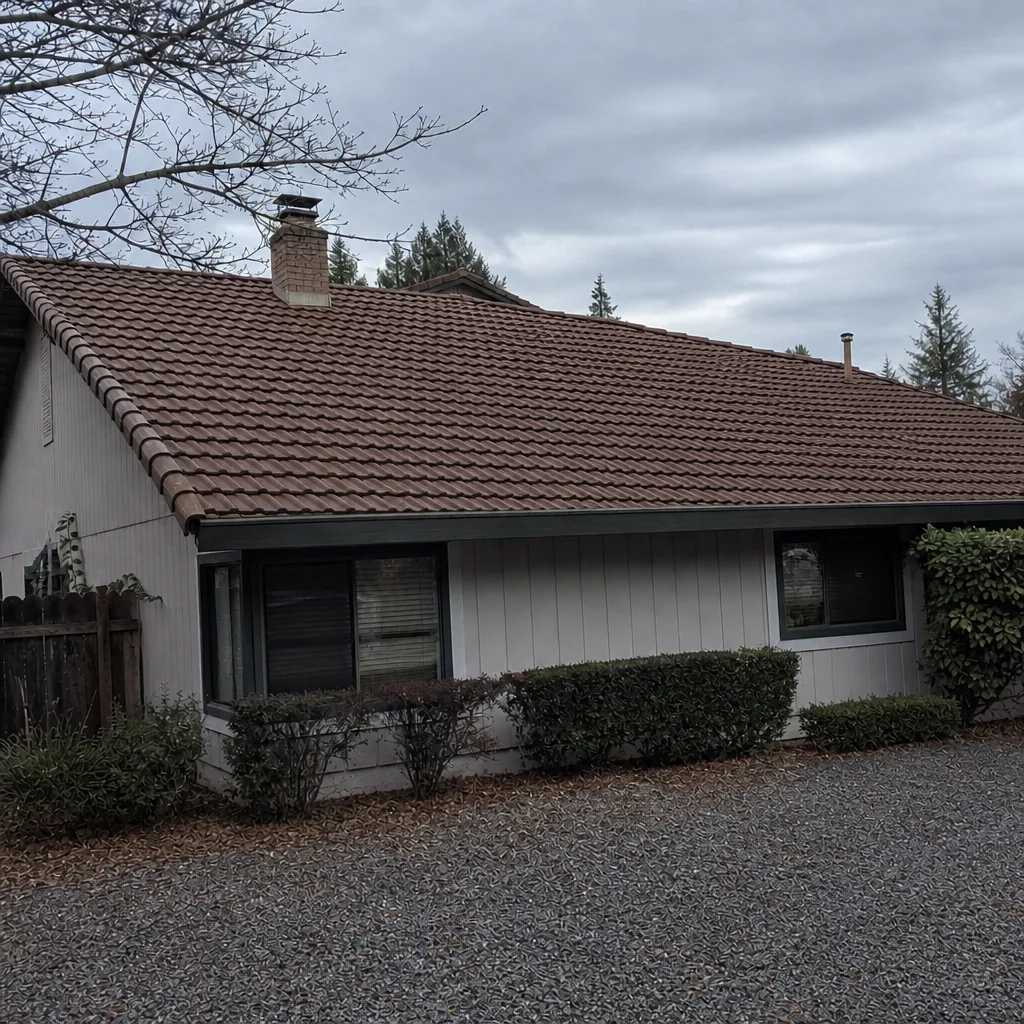
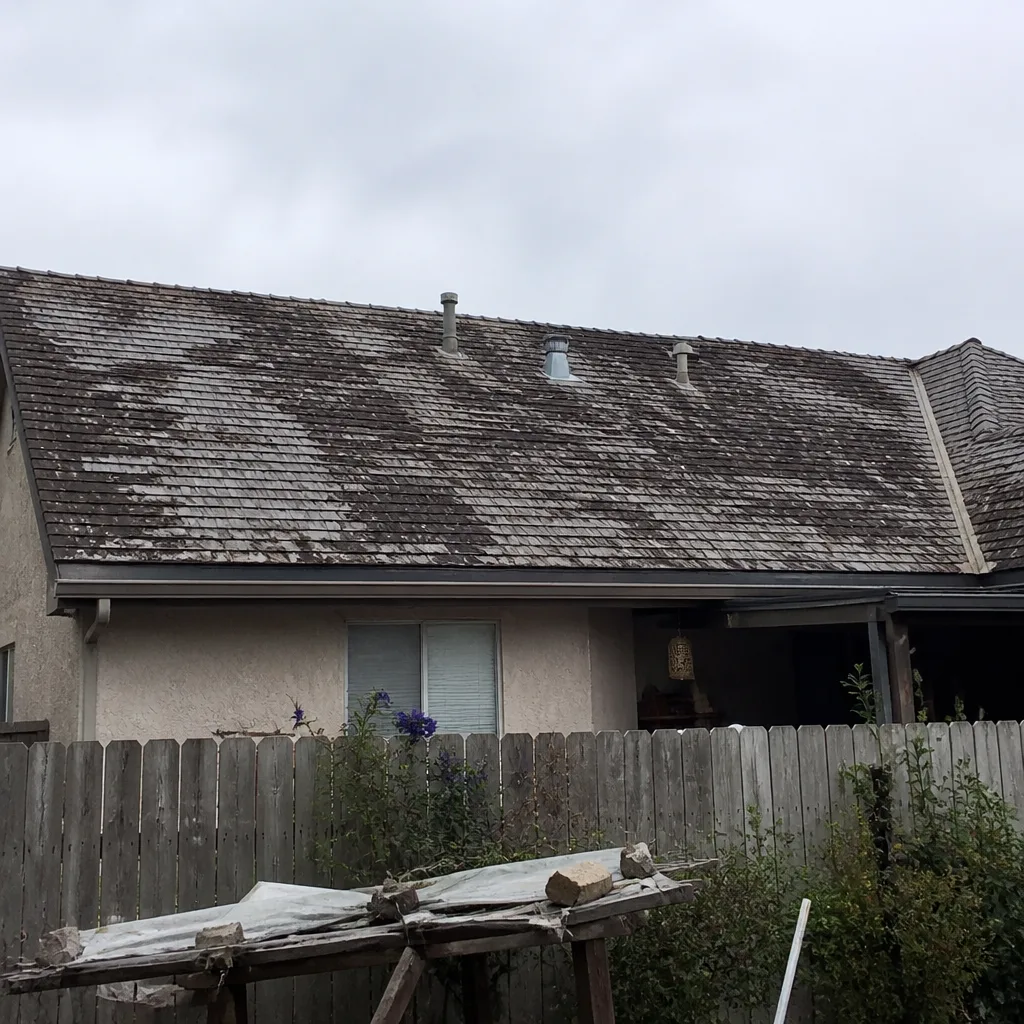
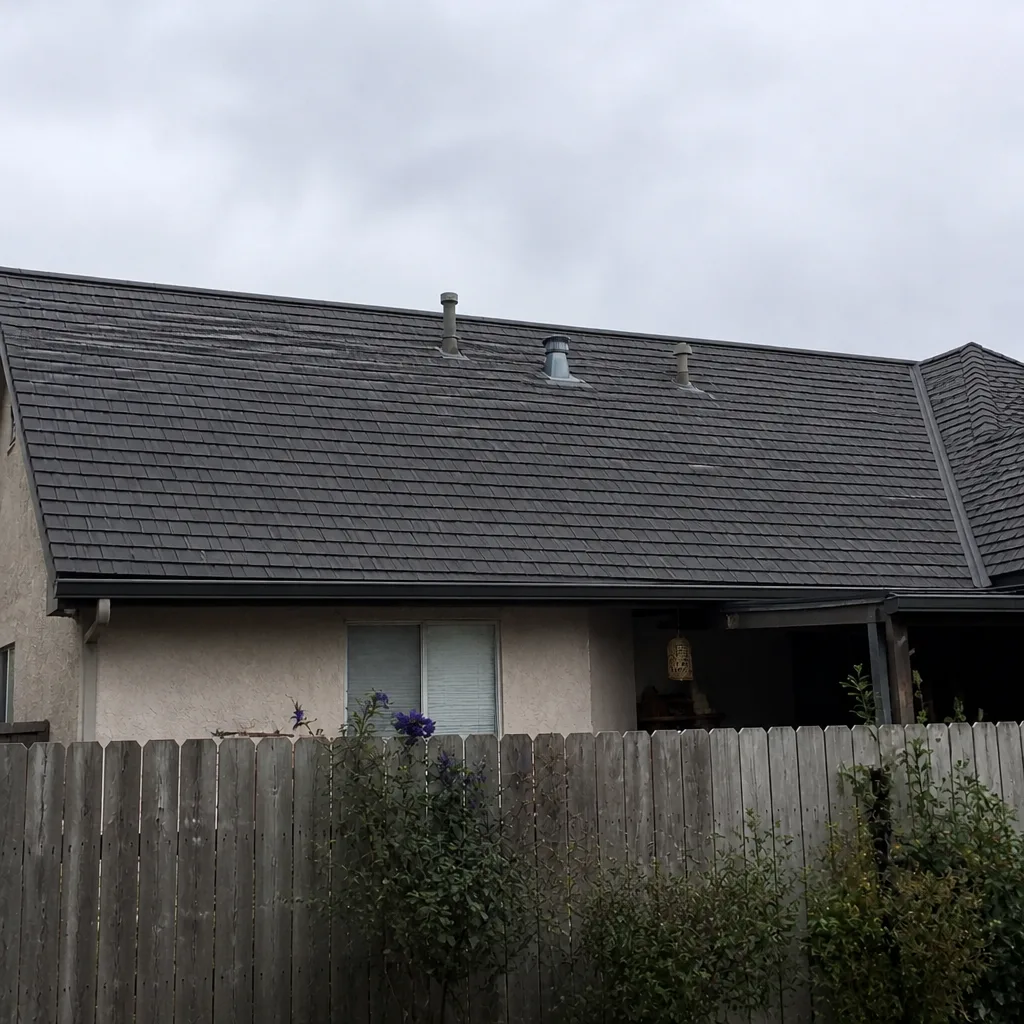
See the difference
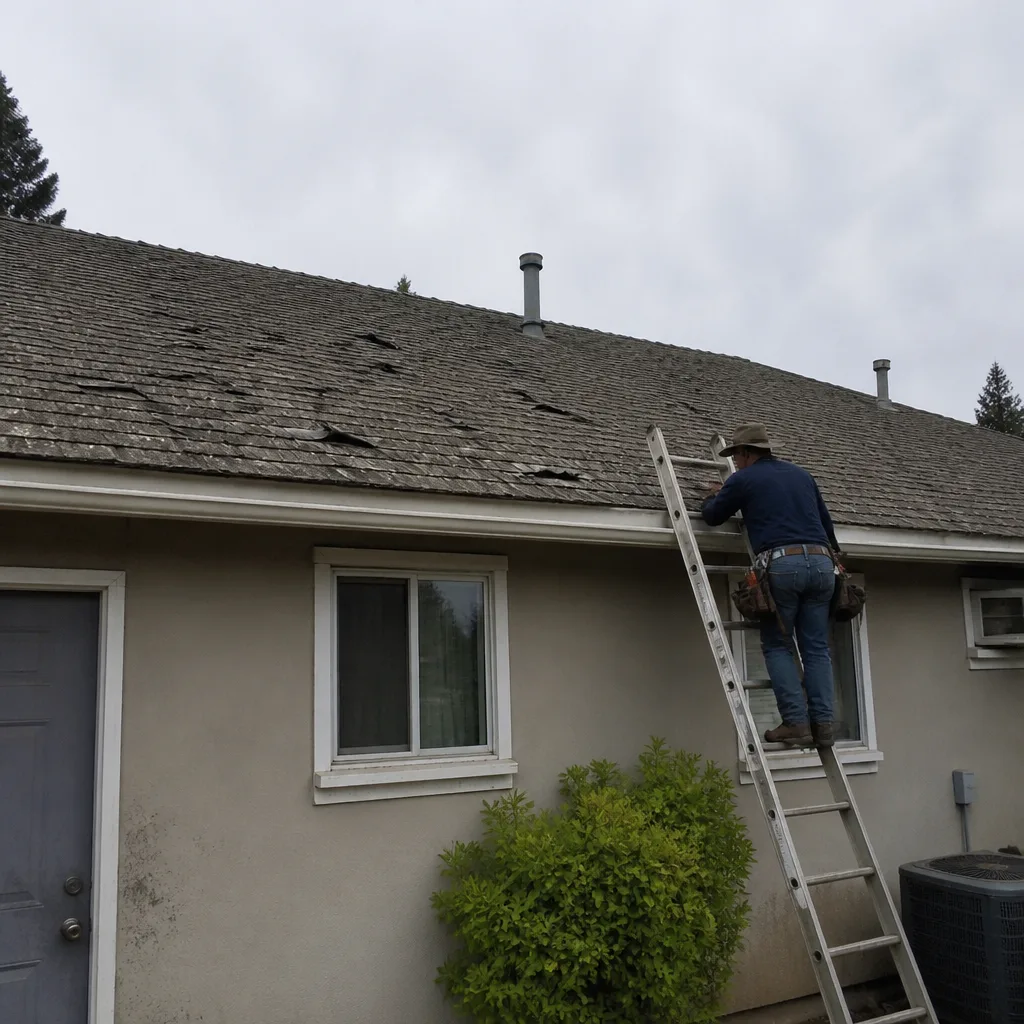 Before
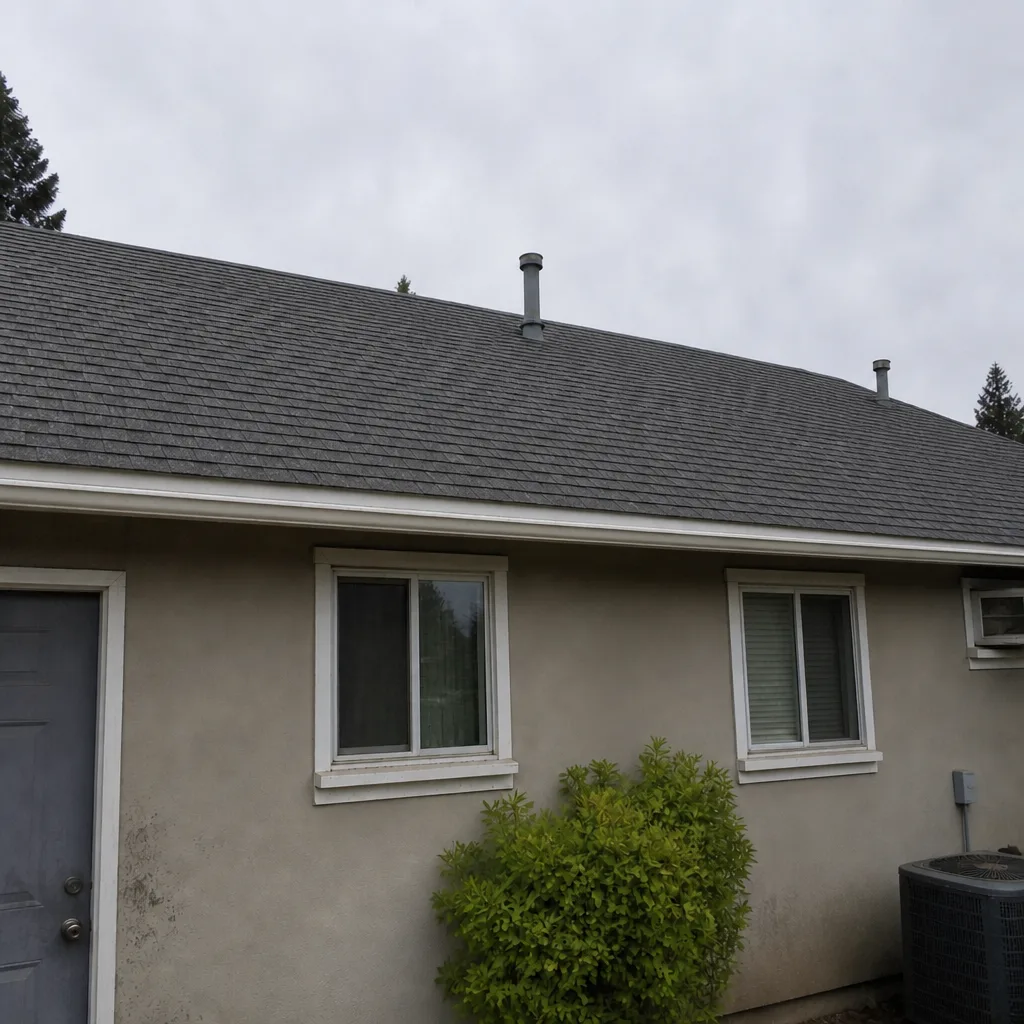 After
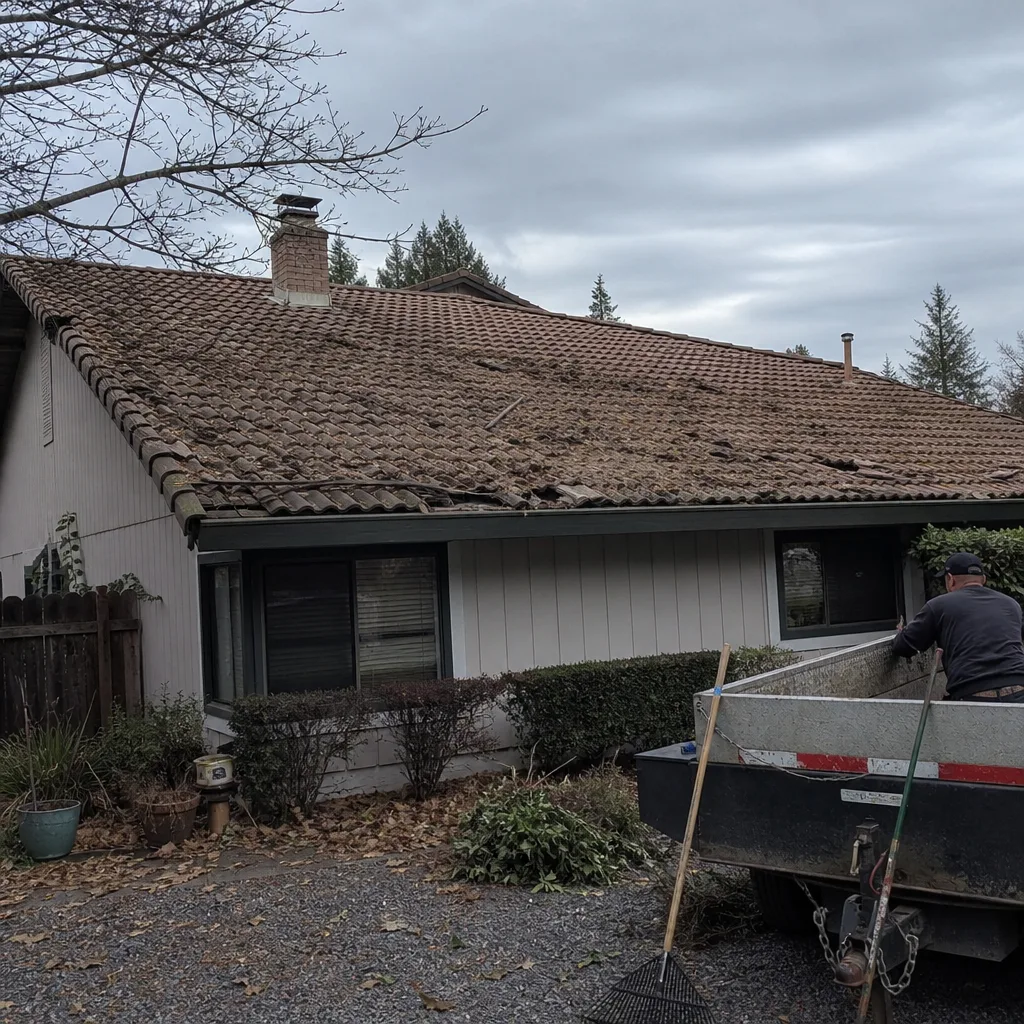 Before
 After
 Before
 After